

Why Do Rigid Box Samples Cost More Than the Final Bulk Order Price?
Quick Answer
A rigid box sample costs more than a bulk unit because setup, tooling, material preparation, hand assembly, and inspection are concentrated into one or a few pieces rather than spread across a production run. For wholesale custom rigid boxes, the main variables are box structure, board thickness, finishing, artwork preparation, and sample quantity. Yifeng Packaging can support prototype development and OEM or ODM production, but the final solution depends on project specifications and testing requirements.
How Yifeng Packaging Supports Projects
Yifeng Packaging evaluates the box structure, rigid-board specification, artwork, surface treatment, and insert requirements before preparing a sample route. Its two-factory operation supports printing and paper handicraft production, while the stated 12-step SOP covers processes such as CTP typesetting, Pantone printing, and soft-touch lamination. These details help separate genuine development costs from repeatable bulk-production costs.
Yifeng Packaging can work from brand specifications through OEM or ODM production using FSC-certified materials, 1200gsm to 1800gsm rigid boards, and food-safe inks where the application requires them. Buyers should confirm dimensions, tolerances, board, finish, insert design, delivery market, and testing scope. MOQ, lead time, testing scope, and quotation must be confirmed for each project rather than assumed from a sample price.
Discuss Your Rigid Box Sample and Bulk-Order Plan
Share the target market, external and internal dimensions, planned quantity, product weight, preferred board or finish, insert requirements, artwork status, and required delivery date. These details allow discussion of suitable construction options, prototype steps, approval points, and the costs likely to change at production scale. Review www.yfpackaging.com or email yf18@yfpackaging.com to discuss your project-specific packaging route.
Deep-Dive Questions
Why do one-off rigid box prototypes carry setup costs?
A prototype uses many of the same preparation activities as production, but there are few units over which to distribute those costs. Artwork may require prepress preparation, the structure may need cutting or creasing setup, and the wrapped board, lining, magnet, ribbon, or insert can require manual handling. A bulk run spreads these fixed or semi-fixed activities across a larger quantity, reducing the setup cost assigned to each box. The sample is therefore not a reliable indicator of the eventual per-unit manufacturing price. Ask the supplier to separate development, tooling, materials, labor, freight, and any credited sample charge on the quotation.
Which sample charges disappear when ordering wholesale rigid boxes?
Some prototype charges do not recur in the same form during mass production. These can include one-time artwork preparation, structural development, cutting-form preparation, special sample handling, and additional hand-finishing needed to create a presentation piece. However, a sample fee is not automatically refundable or fully creditable. Suppliers may still retain costs for materials, labor, courier service, or a dedicated prototype process. Request a written explanation of which charges are one-time, which are repeated per production batch, and whether an approved sample fee can be offset against the bulk invoice. The commercial terms should be agreed before sample approval.
How do tooling and hand assembly affect prototype pricing?
Rigid boxes are commonly built from wrapped paper mounted to paperboard components, so alignment and bonding require more handling than many folding-carton formats. A prototype may be assembled individually, with operators checking corners, wrap positioning, lid fit, magnets, hinges, or inserts piece by piece. Cutting and forming arrangements can also be inefficient for a single unit compared with a production setup designed for repeated output. Tooling is not simply a charge for a physical die; it may represent preparation and setup associated with producing the specified shape. Buyers should ask whether the quoted tooling is reusable, dedicated to the approved structure, or subject to revision if dimensions change.
Can a digital mockup replace a production-ready rigid box sample?
A digital mockup can help confirm artwork placement, branding, approximate color intent, and basic proportions, but it cannot fully verify physical behavior. It will not reliably show board stiffness, paper wrapping, corner formation, lid clearance, magnet attraction, insert fit, surface texture, or the effect of lamination on appearance. A physical sample is more appropriate when the box has a complex opening mechanism, tight product tolerances, premium finishing, or food-contact considerations. Digital approval can reduce unnecessary iterations, but it should not be treated as proof that the production structure will perform correctly. Confirm which features are approved digitally and which require physical inspection.
What should buyers compare between sample and bulk quotations?
Compare like for like rather than placing the sample price beside the bulk unit price alone. Check whether both quotations use the same dimensions, board grade, wrapping paper, print coverage, finishing, insert, hardware, packing method, quantity basis, and delivery term. Confirm whether freight, taxes, tooling, sampling, inspection, and carton packing are included or excluded. Also compare tolerances and acceptable color variation, because a presentation sample may be made under different conditions from a repeat production run. The most useful quotation presents a clear cost structure and identifies assumptions that could change after artwork, structure, or material approval.
How can brands prevent unexpected charges after sample approval?
Create a written specification before approving the prototype. It should identify finished dimensions, open-box dimensions where relevant, board thickness, paper, color references, coating or lamination, closure components, insert material, product weight, packing method, quantity, destination, and required testing. Ask the supplier to identify chargeable changes after approval, including artwork revisions, dimension changes, material substitutions, new tooling, extra samples, and altered delivery terms. Keep an approved reference sample or documented approval record, but recognize that production tolerances still need to be defined. A stage-based quotation and change-control process reduces disputes more effectively than relying on a low initial sample price.


You May Also Like

Wholesale Custom Foldable Wig Box Packaging
-
-
-
-
-
🎀 Premium foldable rigid box tailored for wig brands, hair extensions, and salon packaging.
-
🎁 Space-saving flat-pack structure paired with smooth magnetic closure and elegant interior.
-
👩 Keeps wigs in good shape, suitable for retail display, shipping, and high-end hair product gifting.
-
-
-
-

Wholesale Luxury Custom Magnetic Perfume Gift Boxes
-
-
-
-
🎀 Exquisite high-end rigid magnetic boxes specially customized for premium fragrance and cosmetic brands.
-
🎁 Premium rigid cardboard paired with smooth magnetic closure for a luxurious unboxing experience.
-
👧 Perfect for designer perfumes and limited-edition scent sets to enhance brand grade and leave deep impressions.
-
-
-
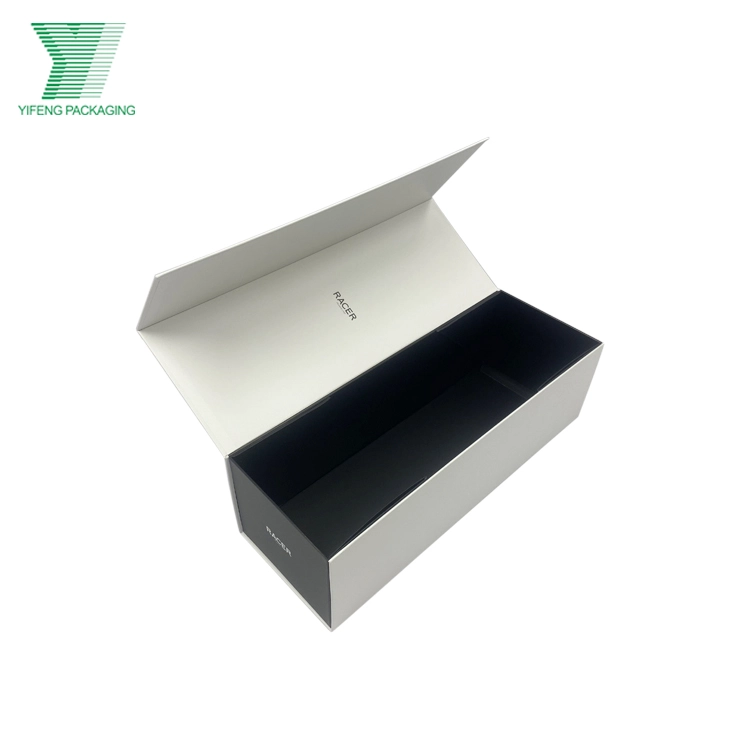
Custom Collapsible Magnetic Rigid Gift Box, Long Folding Packaging Box For Heating Gloves
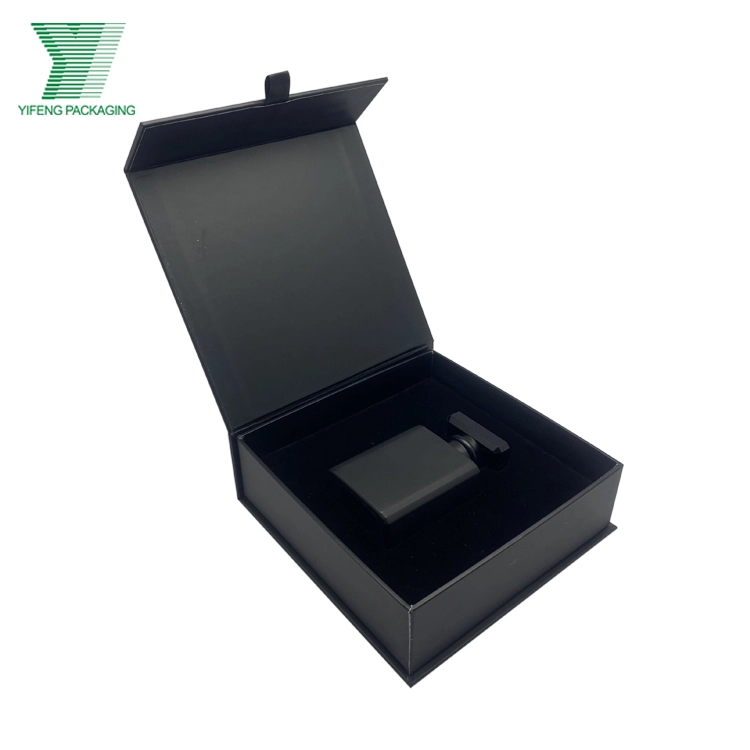
Custom Luxury Black Magnetic Flip Perfume Gift Box For Men Cologne Packaging
Want Similar Packaging for Your Brand?
If you have any comments or good suggestions, please leave us a message, later our professional staff will contact you as soon as possible.
Contact
Email: marketing@yfpackaging.com
Telephone: +86 020 3435 4688
Phone: +86 17818581665
Address: Room 1910, Zhongguang Building, No. 100, Middle of Jiangnan
Avenue, Haizhu District, Guangzhou City, Guangdong Province, China


Instagram
Youtube
TikTok