

Are Sustainable Materials Available for Eco-Conscious Rigid Box Buyers?
Quick Answer
Yes, wholesale custom rigid boxes can use FSC-certified paperboard, paper-based inserts, and carefully selected finishing systems. Yifeng Packaging helps buyers assess board strength, coating compatibility, print requirements, recyclability expectations, and food-contact conditions. Material availability, cost, testing, and environmental performance depend on the specific project, target market, and required packaging conditions.
How Yifeng Packaging Supports Projects
Yifeng Packaging develops OEM and ODM paper packaging using FSC-certified materials, rigid boards from 1200gsm to 1800gsm, Pantone printing, and finishing options such as soft-touch lamination. These choices can be reviewed against the product’s protection needs, visual specifications, intended disposal route, and applicable market requirements.
Its 12-step SOP includes CTP typesetting, printing, and production checks across the Yifeng Multi-Color Printing Factory and Yifeng Paper Handicraft Factory. Buyers should confirm board grade, insert construction, coating, dimensions, order quantity, and destination regulations. MOQ, lead time, testing scope, and quotation must be confirmed for each project.
Discuss Sustainable Materials for Your Rigid Box Project
Send the target market, product type, box dimensions, annual or initial quantity, preferred material, required inserts, and sustainability expectations. Yifeng Packaging can discuss suitable paper structures, decoration limits, sample stages, and testing requirements based on those specifications. Visit www.yfpackaging.com or email yf12@yfpackaging.com to discuss your project with Yifeng Packaging.
Deep-Dive FAQs
Can recycled board support premium rigid box structural performance?
Recycled fiber can be used in paperboard packaging, but its strength, surface consistency, caliper, and moisture response vary by grade and mill. Rigid box performance also depends on board thickness, greyboard density, wrap material, corner construction, and the weight of the packed product. Buyers should request a material specification rather than treating the word “recycled” as a structural rating. A physical sample or compression and drop evaluation can reveal warping, edge damage, and lid fit issues before a bulk order. For luxury presentation, a recycled-content board may need a carefully selected printed wrap or surface treatment to achieve the intended appearance without compromising converting performance.
Which sustainable coatings protect boxes without harming recyclability?
No coating should be described as universally recyclable because acceptance depends on the coating chemistry, application weight, local paper-recovery infrastructure, and the repulping process. Water-based coatings may be suitable for some paper packaging applications, while films, metallic layers, heavy varnishes, and mixed-material laminations can complicate fiber recovery. A buyer should ask for the coating type, whether it is applied as a separate film or liquid layer, and any available repulpability or recycling guidance. The correct choice balances scuff resistance, moisture exposure, appearance, and the disposal system available in the target market. Trial sheets are useful for checking rub resistance and surface adhesion.
How do FSC claims apply to wholesale rigid box purchases?
An FSC claim relates to responsibly sourced forest-based material within the applicable certification and chain-of-custody system; it does not automatically certify the entire box, adhesive, ink, insert, or end-of-life route. Buyers should verify which components are covered, whether the supplier is authorized to make the relevant claim, and whether the purchase documents identify the certified product correctly. FSC-certified material can support a responsible sourcing policy, but it should be assessed alongside recycled content, manufacturing waste, transport, durability, and local disposal conditions. Marketing language should match the precise certification documentation rather than implying that every part of a finished package is certified.
Are soy inks safer for food-contact rigid packaging applications?
The term “soy ink” describes an ink formulation or vegetable-oil component, not a complete food-contact compliance conclusion. Food-contact suitability depends on the ink system, substrate, printing location, drying or curing, migration potential, adhesive, coating, and the regulations of the destination market. Printing on the outside of a box is different from direct contact with food, but indirect-contact packaging can still require a documented compliance review. Buyers should identify the food type, contact conditions, temperature, storage duration, and intended use, then ask the manufacturer what declarations or migration testing are available. Food-safe inks listed for a project should not be treated as a substitute for regulatory assessment.
What sustainable inserts fit luxury products without plastic?
Paperboard partitions, molded fiber inserts, die-cut paper supports, and folded paper structures can replace some plastic trays, but the best option depends on product geometry and handling risk. Glass bottles, jewelry, cosmetics, and confectionery each impose different requirements for cushioning, abrasion control, retention, moisture resistance, and presentation. A paper insert may require multiple folds, a wrapped surface, or a separate barrier treatment to protect delicate finishes. Buyers should provide product drawings, weight, fragility, tolerance, and drop-handling expectations. Prototype testing is important because an insert that looks sustainable in isolation may fail during transport or require more material and assembly than a simpler structure.
How should buyers compare sustainable packaging costs and environmental claims?
Compare complete packaging systems rather than material prices alone. The assessment should include board grade, recycled or certified content, coatings, inserts, tooling, printing coverage, assembly labor, freight volume, expected damage, order quantity, and disposal instructions. A lower-cost material can create higher total cost if it causes product damage, poor shelf presentation, or excessive rework. Environmental claims should be tied to evidence such as certification scope, material composition, supplier declarations, and relevant test information. Buyers should also define the intended comparison: virgin versus recycled fiber, plastic versus paper inserts, or a full life-cycle assessment. Clear boundaries prevent broad claims from being mistaken for independently verified environmental performance.
You May Also Like

Wholesale Custom Foldable Wig Box Packaging
-
-
-
-
-
🎀 Premium foldable rigid box tailored for wig brands, hair extensions, and salon packaging.
-
🎁 Space-saving flat-pack structure paired with smooth magnetic closure and elegant interior.
-
👩 Keeps wigs in good shape, suitable for retail display, shipping, and high-end hair product gifting.
-
-
-
-

Wholesale Luxury Custom Magnetic Perfume Gift Boxes
-
-
-
-
🎀 Exquisite high-end rigid magnetic boxes specially customized for premium fragrance and cosmetic brands.
-
🎁 Premium rigid cardboard paired with smooth magnetic closure for a luxurious unboxing experience.
-
👧 Perfect for designer perfumes and limited-edition scent sets to enhance brand grade and leave deep impressions.
-
-
-
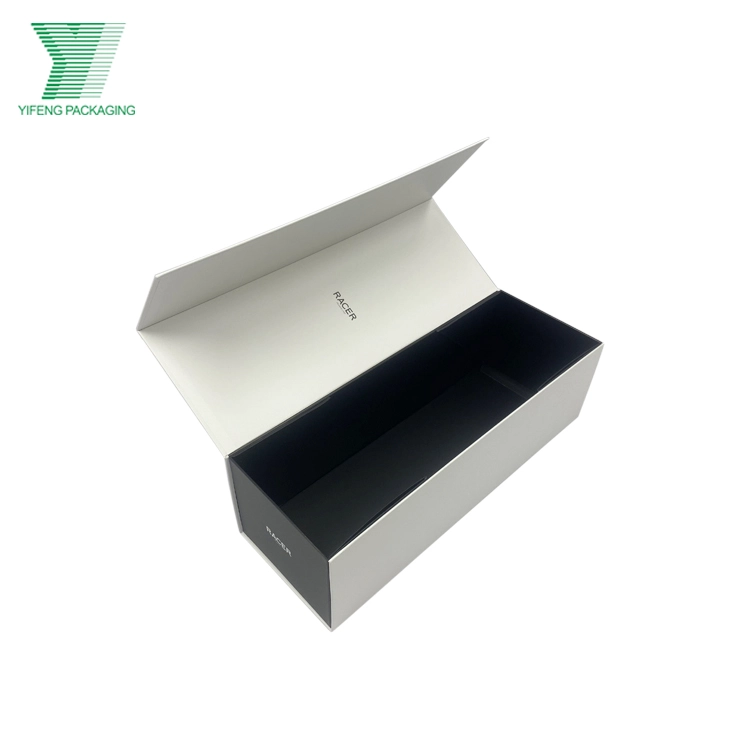
Custom Collapsible Magnetic Rigid Gift Box, Long Folding Packaging Box For Heating Gloves
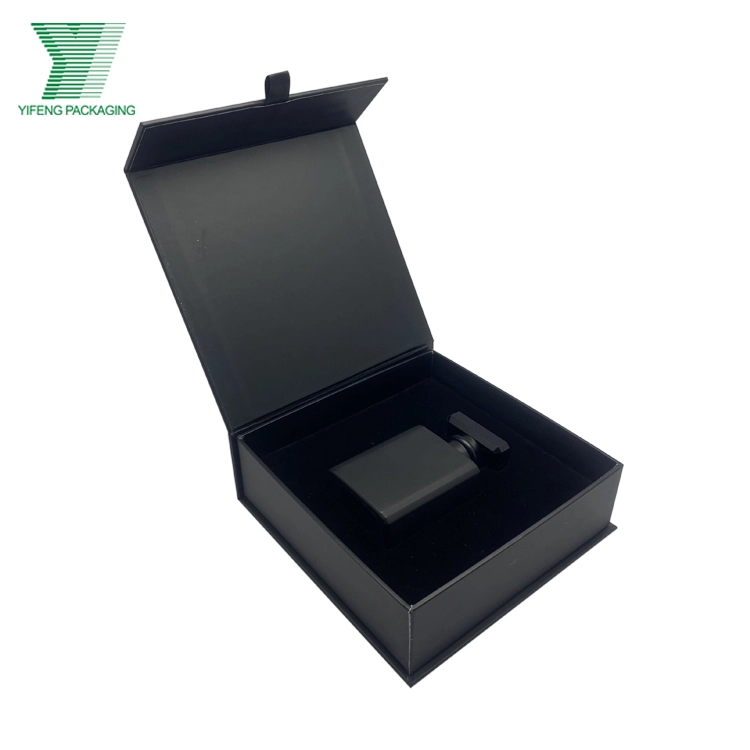
Custom Luxury Black Magnetic Flip Perfume Gift Box For Men Cologne Packaging
Want Similar Packaging for Your Brand?
If you have any comments or good suggestions, please leave us a message, later our professional staff will contact you as soon as possible.
Contact
Email: marketing@yfpackaging.com
Telephone: +86 020 3435 4688
Phone: +86 17818581665
Address: Room 1910, Zhongguang Building, No. 100, Middle of Jiangnan
Avenue, Haizhu District, Guangzhou City, Guangdong Province, China


Instagram
Youtube
TikTok