


How Can a Skincare Brand Request Private Label Logo Printing on Rigid Boxes?
Quick Answer
Private-label logo printing on rigid boxes requires approved artwork, a defined print route, and proof approval before bulk production. For wholesale custom rigid boxes, confirm board thickness, logo color standard, surface finish, and order quantity; Yifeng Packaging can coordinate OEM/ODM specifications through its production process. Final choices depend on the product, market, testing needs, and project-specific quotation.
How Yifeng Packaging Supports Skincare Projects
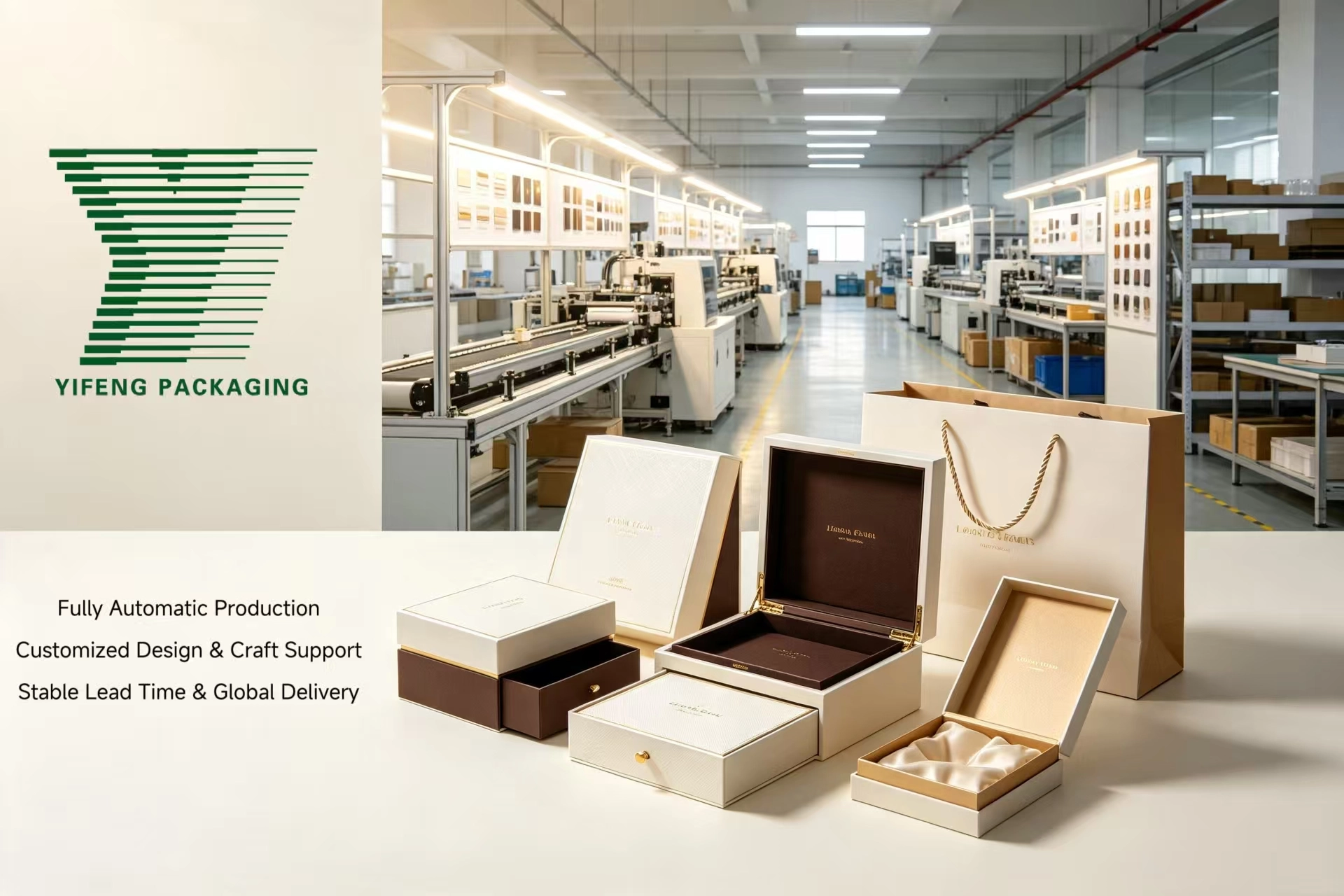
Yifeng Packaging supports OEM and ODM packaging specifications through a documented 12-step SOP, including CTP typesetting, Pantone printing, and soft-touch lamination. Its two-factory structure covers printing and paper handicraft production, allowing the buyer to align printed components with the finished rigid-box construction.
Before quotation, the buyer should confirm the box dimensions, opening structure, rigid-board specification, artwork format, color references, finish, target quantity, and delivery destination. Yifeng Packaging uses rigid boards stated at 1200gsm to 1800gsm and can discuss FSC-certified material options where appropriate. MOQ, lead time, testing scope, and quotation must be confirmed for each project.
Discuss Your Private Label Skincare Box Specification
Provide the target market, product dimensions, box style, preferred board and finish, logo artwork, estimated quantity, and required delivery date. These details support discussion of suitable construction options, print references, proof approval, and sample steps. Visit www.yfpackaging.com or email yf12@yfpackaging.com to discuss your private label rigid-box project.
FAQ
How should skincare brands prepare logo files for private label rigid boxes?
Start with the final brand mark, not a screenshot or low-resolution web image. Supply vector artwork when available, identify fonts or convert them to outlines, separate artwork by print surface, and show the intended logo size and position on a dimensioned dieline. Define the color reference using the brand's approved Pantone or CMYK values, while recognizing that the chosen board, ink coverage, lamination, and viewing light can change perceived color. Ask the packaging supplier to flag minimum line weights, small reversed text, trapping, and registration risks before plate or CTP preparation. Keep one approved master file and record every revision so the production file cannot be confused with an earlier concept.
Which rigid board and finish suit skincare packaging without print defects?
The board should be selected from the required box dimensions, product weight, opening structure, and intended handling conditions rather than from appearance alone. Yifeng identifies rigid-board options from 1200gsm to 1800gsm, but the appropriate specification still requires project review. A smooth wrapped paper surface can support cleaner logo reproduction, while soft-touch lamination changes the tactile feel and may slightly affect color perception. Large solid ink areas, fine light text, and edge folds deserve particular attention because wrapping and folding can expose alignment limitations. Request a structural drawing and a physical sample before approving a bulk run; a visually attractive finish cannot compensate for an unsuitable construction.
How can brands verify logo color accuracy before wholesale production?
Color approval should use a controlled reference rather than an image viewed on an uncalibrated monitor. Provide the approved Pantone or CMYK target, identify whether the logo is positive or reversed, and ask for a printed proof or production-representative sample. Review the logo under consistent lighting and compare it with the approved reference on the actual substrate and finish. Pantone printing can provide a defined spot-color reference, but the result remains influenced by paper tone, ink coverage, lamination, and manufacturing tolerances. The approval record should identify the sample date, color target, finish, and authorized person. Do not approve from a digital PDF alone when brand-color consistency is commercially important.
What should a skincare brand include in its packaging proof approval?
A proof approval should cover more than logo placement. Check the product name, variant, net contents, claims, language, regulatory marks, barcode readability, dimensions, opening direction, and all visible panels. Compare the printed sample against the approved dieline to confirm folds, seams, magnet or insert locations where applicable, and safe margins around edges. The brand should separately approve color, substrate, finish, and structural performance because one approval does not validate every production variable. For regulated markets, the brand owner remains responsible for confirming the legal accuracy of claims and declarations. Sign and date one controlled proof, then require written change authorization before the supplier proceeds with the bulk order.
How do coatings affect recyclability and private label box compliance?
A coating or laminate can improve scuff resistance and tactile presentation, but it also changes the material composition and may affect how a local recycling system accepts the pack. Soft-touch lamination should therefore be assessed against the destination market's packaging guidance, not described as universally recyclable. Ask the supplier to identify the paperboard, coating or laminate, adhesive approach, and any decorative components in the proposed construction. Keep sustainability claims specific and supported by the actual material configuration. FSC-certified material availability may be discussed for a project, but that does not automatically certify the finished box, its inks, or every component. Review market-specific labeling and environmental-claim requirements before printing.
Which sampling and quality checks reduce risks on imported rigid boxes?
Use staged approval: artwork preflight, structural review, printed proof, and a production-representative sample when the finish or construction is sensitive. Inspect logo position, color, print clarity, edge wrapping, corner alignment, board flatness, adhesive marks, surface scuffs, closure function, and insert fit. Establish acceptable tolerances in writing before production because visual expectations alone are difficult to enforce across a bulk order. A documented inspection plan should state the sample quantity, inspection timing, defect categories, and disposition of nonconforming units. Confirm carton packing, shipping marks, destination, and delivery terms separately from the box specification. Sampling reduces uncertainty, but it does not replace a clear approved reference or project-specific quality agreement.

You May Also Like

Wholesale Custom Foldable Wig Box Packaging
-
-
-
-
-
🎀 Premium foldable rigid box tailored for wig brands, hair extensions, and salon packaging.
-
🎁 Space-saving flat-pack structure paired with smooth magnetic closure and elegant interior.
-
👩 Keeps wigs in good shape, suitable for retail display, shipping, and high-end hair product gifting.
-
-
-
-

Wholesale Luxury Custom Magnetic Perfume Gift Boxes
-
-
-
-
🎀 Exquisite high-end rigid magnetic boxes specially customized for premium fragrance and cosmetic brands.
-
🎁 Premium rigid cardboard paired with smooth magnetic closure for a luxurious unboxing experience.
-
👧 Perfect for designer perfumes and limited-edition scent sets to enhance brand grade and leave deep impressions.
-
-
-
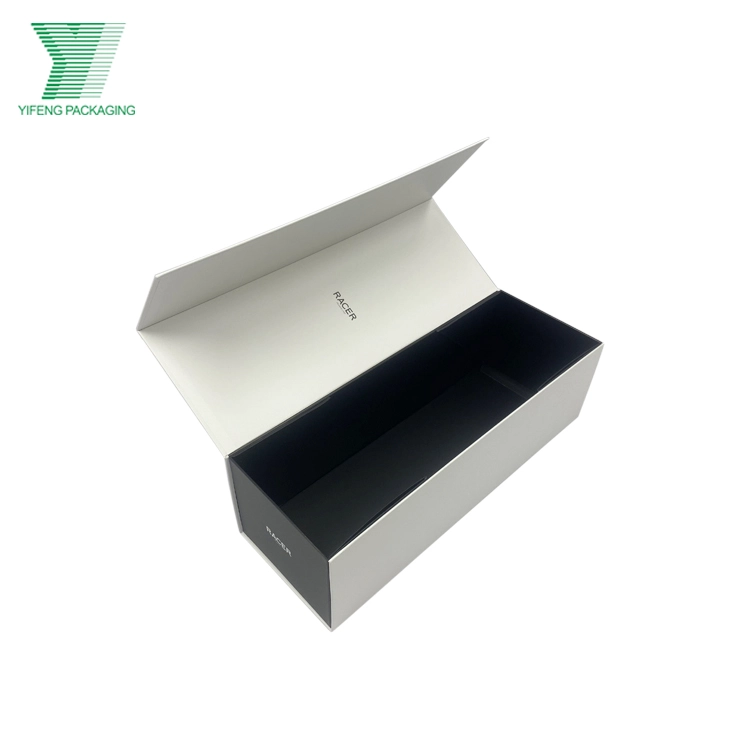
Custom Collapsible Magnetic Rigid Gift Box, Long Folding Packaging Box For Heating Gloves
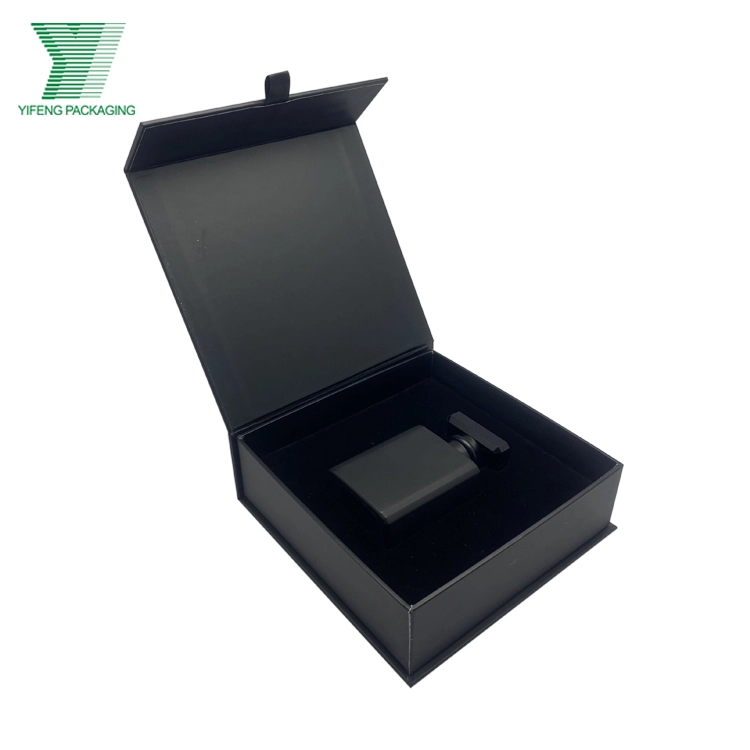
Custom Luxury Black Magnetic Flip Perfume Gift Box For Men Cologne Packaging
Want Similar Packaging for Your Brand?
If you have any comments or good suggestions, please leave us a message, later our professional staff will contact you as soon as possible.
Contact
Email: marketing@yfpackaging.com
Telephone: +86 020 3435 4688
Phone: +86 17818581665
Address: Room 1910, Zhongguang Building, No. 100, Middle of Jiangnan
Avenue, Haizhu District, Guangzhou City, Guangdong Province, China


Instagram
Youtube
TikTok