


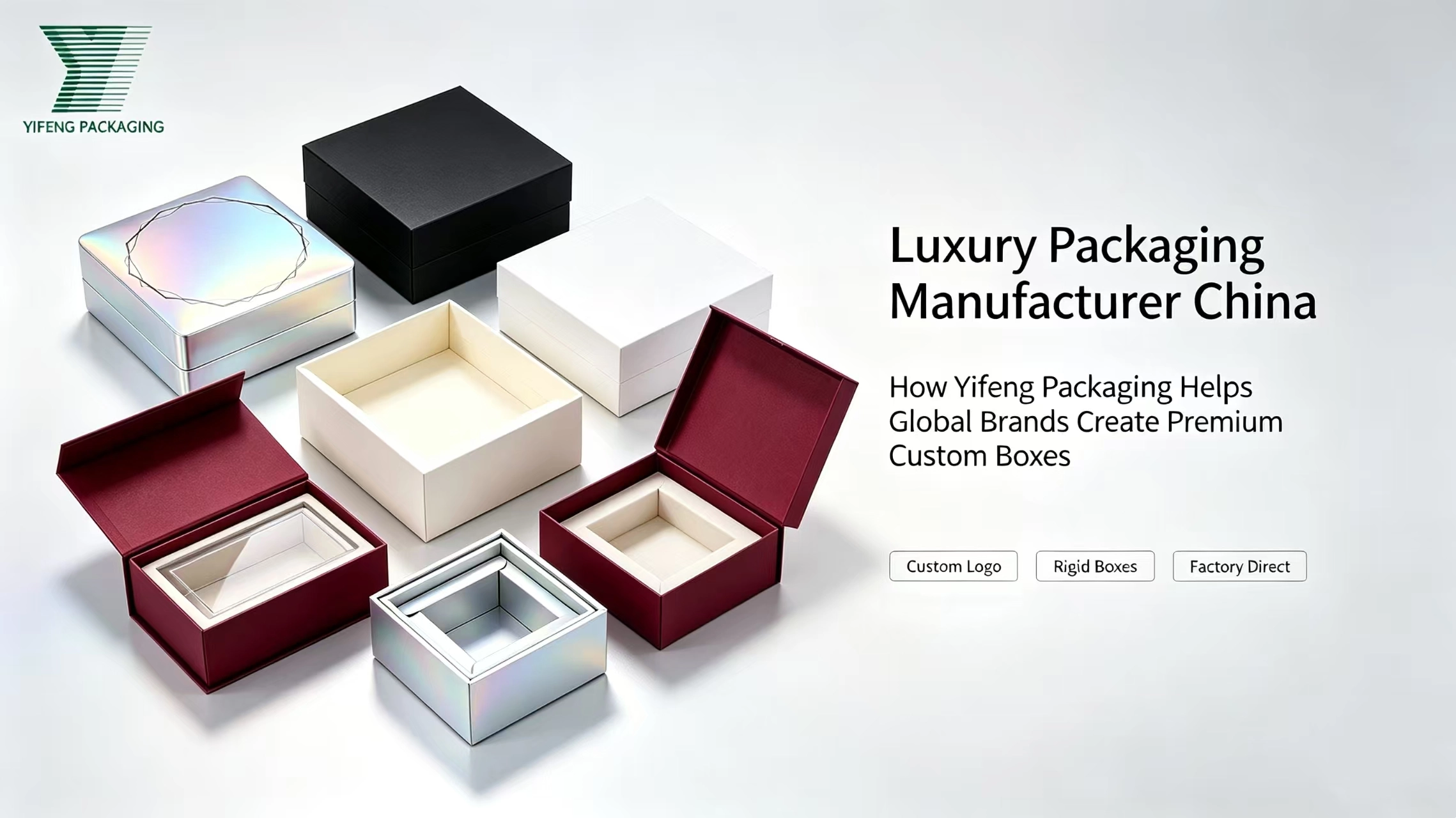
Should a Private Label Brand Source From a Factory or a Trading Company?
Quick Answer
For a private label brand, a direct factory is often the clearer choice when box design, quality control, and repeat supply require close technical coordination; a trading company can be useful when consolidation or multilingual procurement is the priority. Yifeng Packaging supports OEM and ODM production for wholesale custom rigid boxes. Compare construction, board weight, finishes, landed cost, and lead time; testing and project conditions determine the final selection.
How Yifeng Packaging Supports Projects
Yifeng Packaging operates the Yifeng Multi-Color Printing Factory and Yifeng Paper Handicraft Factory, allowing buyers to discuss printing, paperboard construction, and hand-finishing through a connected manufacturing setup. Its documented 12-step SOP covers stages including CTP typesetting, Pantone printing, and soft-touch lamination.
Projects can be developed with FSC-certified materials, 1200gsm to 1800gsm rigid boards, and food-safe inks where the application requires them. Buyers should confirm dimensions, board specification, artwork, finish, packing method, and destination requirements. MOQ, lead time, testing scope, and quotation must be confirmed for each project.
Discuss Your Private Label Rigid Box Project
Share your target market, box dimensions, order quantity, product weight, structural preference, artwork status, and destination so suitable sourcing options and sample steps can be discussed. Request a project review at www.yfpackaging.com or email yf13@yfpackaging.com.
Frequently Asked Questions
Should private label brands buy rigid boxes directly from factories?
Direct factory sourcing is usually more suitable when the brand needs repeated production, custom structures, controlled finishing, and direct communication with the people responsible for manufacturing. The buyer can discuss tolerances, board behavior, printing registration, assembly, and corrective actions closer to the production source. A trading company may still be appropriate when the order combines products from several suppliers, requires procurement in multiple categories, or benefits from an intermediary managing communication. The correct decision depends on the level of technical involvement and supply-chain coordination required, not simply on the supplier label.
How can buyers verify a packaging supplier actually owns production?
Request a current factory address, legal company details, production photographs or live video evidence, and a clear explanation of which processes are performed in-house or subcontracted. Compare the claimed capabilities with the quotation, sample construction, machinery descriptions, and production workflow. Buyers should also ask who issues the commercial invoice, who controls artwork approval, and who accepts responsibility for defects. A trading company should identify the producing factory rather than presenting an undisclosed source. Verification is stronger when a pre-production sample, approved specification, and inspection process are linked to the same legal and manufacturing parties.
Are trading companies cheaper for wholesale custom rigid boxes?
Not necessarily. A trading company may obtain competitive pricing through established supplier relationships, consolidated purchasing, or access to factories that do not export directly. However, its margin, extra communication layer, and possible subcontracting can affect the total price. Factory quotations can also appear lower while excluding tooling, sampling, export packing, inland transport, inspection, or freight-related charges. Compare like-for-like specifications, including board grade, thickness, paper coverage, printing process, inserts, assembly, packaging, Incoterms, and payment terms. The relevant measure is comparable landed cost and supply risk, not the first unit price received.
What quality controls matter when sourcing rigid packaging overseas?
Quality control should begin with a written specification rather than a visual reference alone. Define finished dimensions, board thickness, paper or wrap material, color references, adhesive expectations, magnet or insert details, acceptable cosmetic variation, carton packing, and labeling. A pre-production sample confirms structure and fit; a production sample or retained reference supports comparison during bulk manufacture. Inspection should examine dimensions, print registration, color consistency, lamination, corner formation, surface damage, adhesion, assembly, and packing quantity. For food-related applications, buyers should separately confirm the intended use and request applicable ink, coating, paper, or contact-safety documentation instead of assuming that a package is food-safe because it is made from paper.
How should brands compare factory and trading company quotations?
Build a comparison sheet that separates technical, commercial, and logistics variables. Record the legal supplier, producing location, box dimensions, board specification, wrap paper, printing, finishing, inserts, assembly, inner packing, master-carton details, sample charges, tooling, MOQ, production lead time, shipping basis, payment schedule, and quotation validity. Ask each supplier to state exclusions and revision rules. A factory may provide more direct technical detail, while a trading company may combine several services into one offer. Neither format proves better value without matching specifications and identifying who controls approvals, production changes, inspections, and claims.
When does a trading company add value to packaging procurement?
An intermediary can add value when a brand needs several packaging categories, low-volume consolidation, supplier discovery in an unfamiliar market, translation support, or one point of coordination for multiple production sites. It may also help organize export documentation and schedules, subject to the agreement. That value should be measurable: ask which services are included, how supplier selection is performed, how defects are handled, and whether the factory is disclosed. For a technically demanding rigid box with recurring revisions, direct factory communication may reduce ambiguity. For a mixed procurement program, an accountable trading partner can simplify administration if responsibilities remain documented.
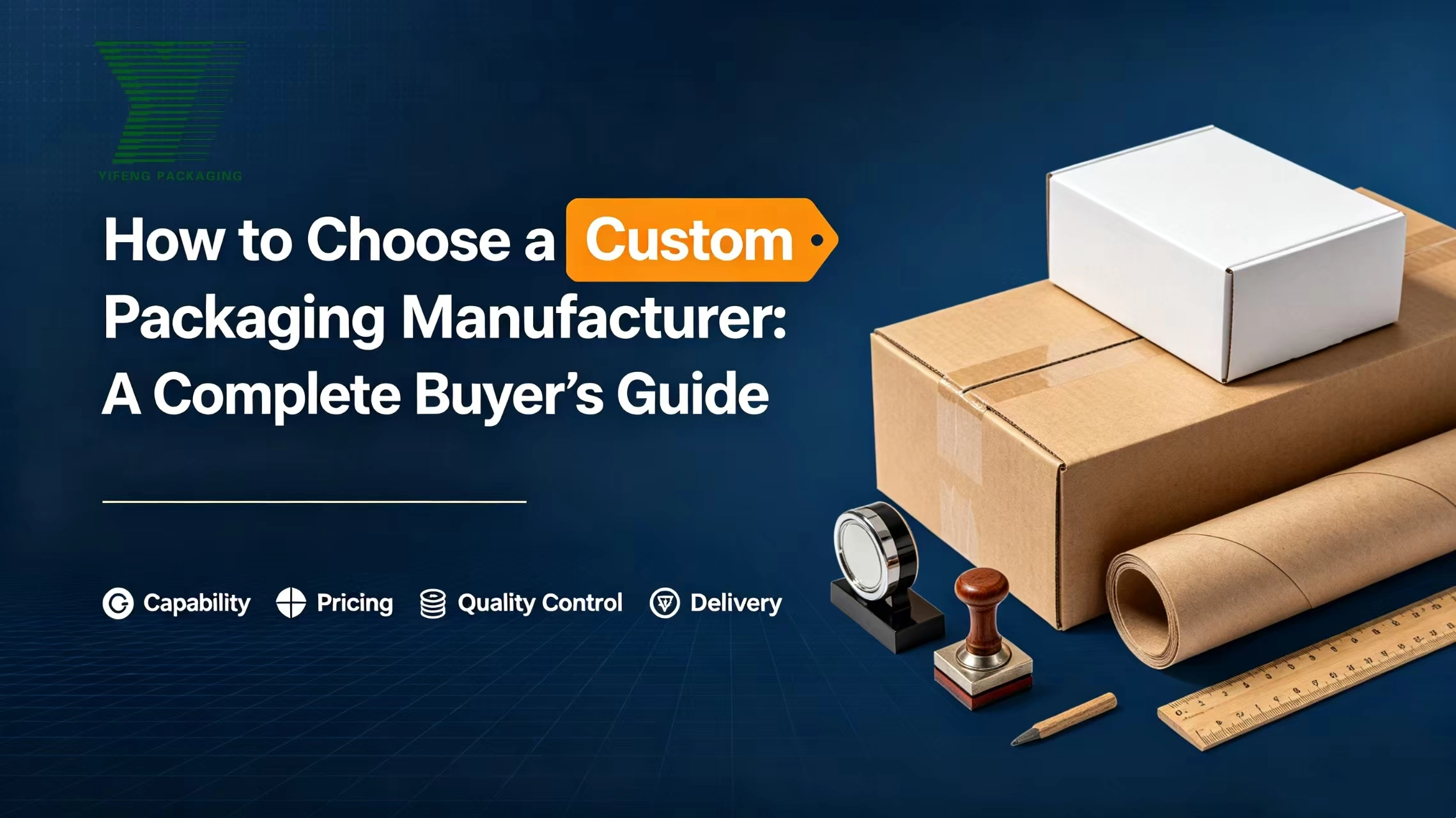

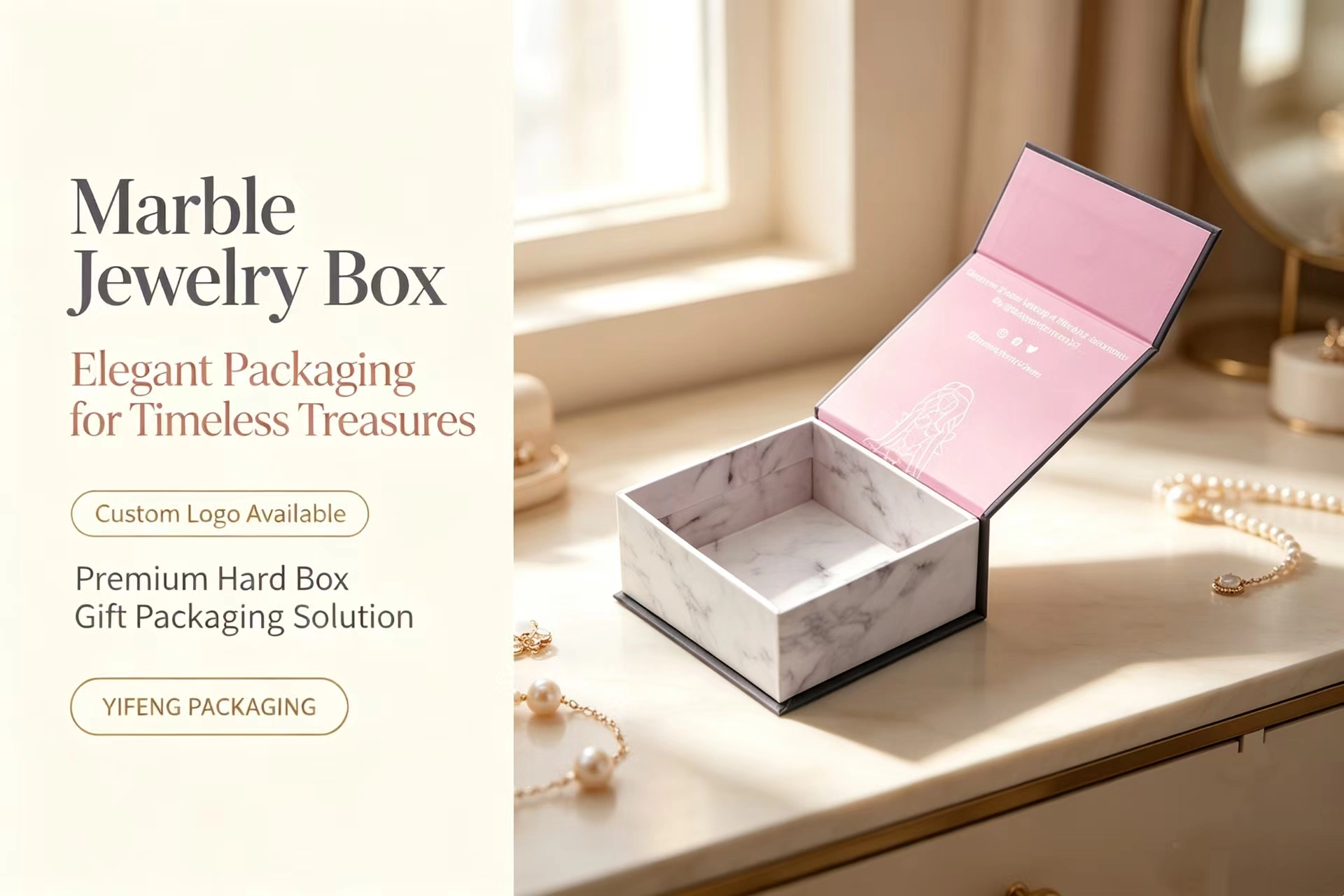
You May Also Like

Wholesale Custom Foldable Wig Box Packaging
-
-
-
-
-
🎀 Premium foldable rigid box tailored for wig brands, hair extensions, and salon packaging.
-
🎁 Space-saving flat-pack structure paired with smooth magnetic closure and elegant interior.
-
👩 Keeps wigs in good shape, suitable for retail display, shipping, and high-end hair product gifting.
-
-
-
-

Wholesale Luxury Custom Magnetic Perfume Gift Boxes
-
-
-
-
🎀 Exquisite high-end rigid magnetic boxes specially customized for premium fragrance and cosmetic brands.
-
🎁 Premium rigid cardboard paired with smooth magnetic closure for a luxurious unboxing experience.
-
👧 Perfect for designer perfumes and limited-edition scent sets to enhance brand grade and leave deep impressions.
-
-
-
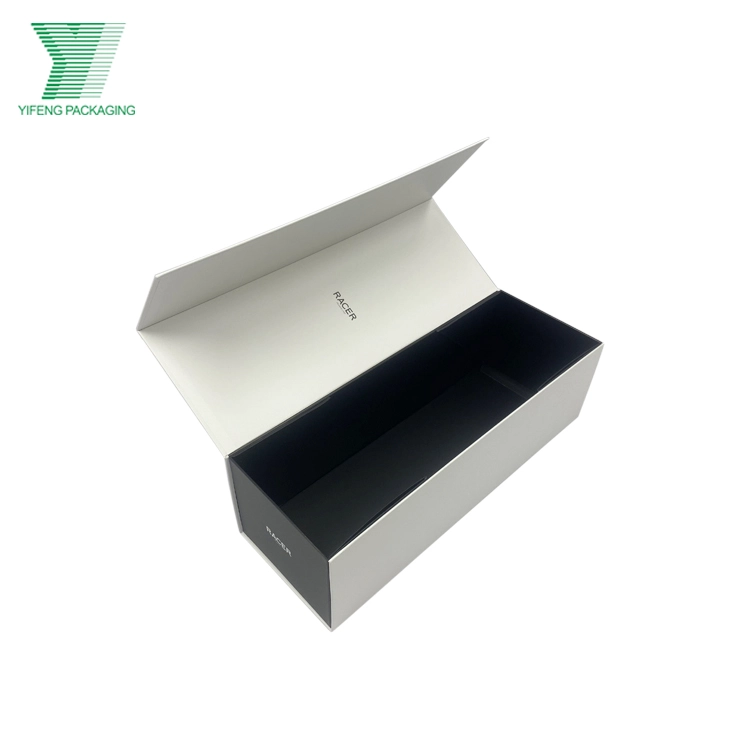
Custom Collapsible Magnetic Rigid Gift Box, Long Folding Packaging Box For Heating Gloves
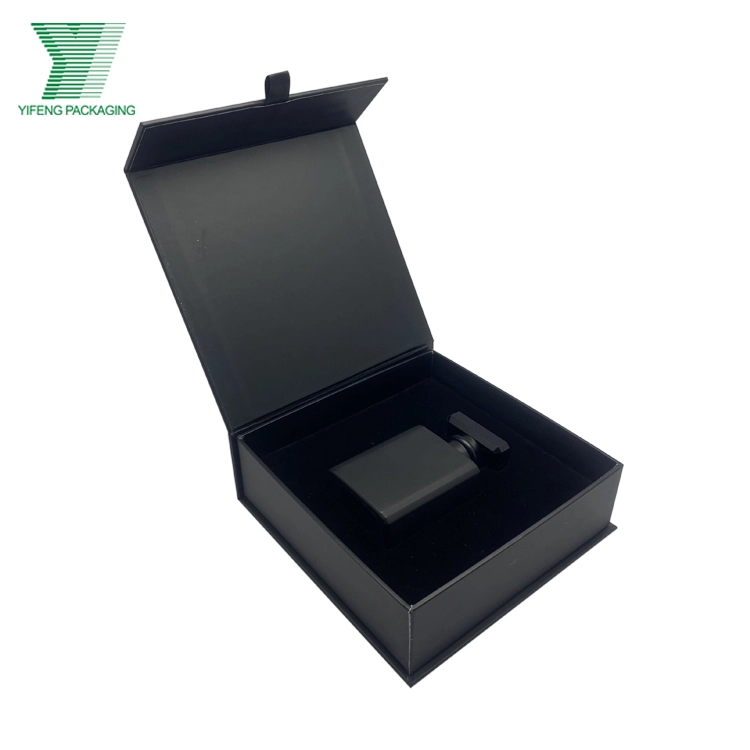
Custom Luxury Black Magnetic Flip Perfume Gift Box For Men Cologne Packaging
Want Similar Packaging for Your Brand?
If you have any comments or good suggestions, please leave us a message, later our professional staff will contact you as soon as possible.
Contact
Email: marketing@yfpackaging.com
Telephone: +86 020 3435 4688
Phone: +86 17818581665
Address: Room 1910, Zhongguang Building, No. 100, Middle of Jiangnan
Avenue, Haizhu District, Guangzhou City, Guangdong Province, China


Instagram
Youtube
TikTok