

Can a Gift Retailer Add Foil Stamping or Embossing to Rigid Boxes?
Quick Answer
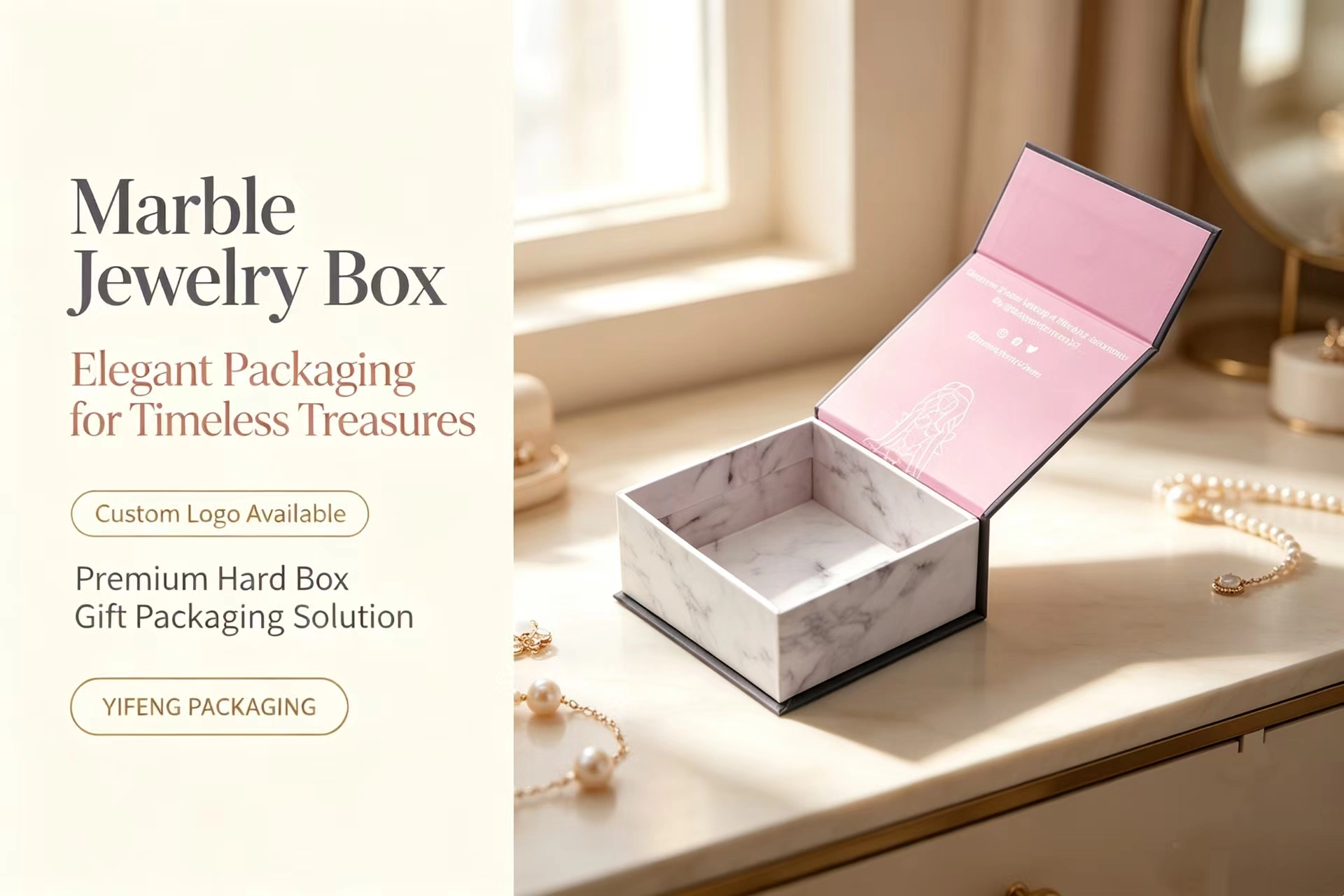
Yes, gift retailers can add foil stamping or embossing to wholesale custom rigid boxes, and the two finishes may be combined when the construction supports clean pressure application. Yifeng Packaging can assess the wrapped surface and artwork for OEM or ODM production. Key considerations include board thickness, wrap material, logo scale, foil color, and tooling requirements. Final solutions depend on project specifications, sampling, and production-site conditions.
How Yifeng Packaging Supports Projects
Yifeng Packaging coordinates rigid-board construction, printed wraps, finishing sequences, and OEM or ODM specifications through its two Guangzhou facilities. Its 12-step SOP includes CTP typesetting, Pantone printing, and soft-touch lamination, allowing the retailer to review how decorative treatments interact with the selected surface before bulk production.
Buyers should confirm box dimensions, board grade, wrap stock, artwork files, logo tolerances, foil requirements, order quantity, and destination market. MOQ, lead time, testing scope, and quotation must be confirmed for each project because tooling, sampling, construction, and finish combinations affect the production plan.
Discuss Your Gift Box Foil and Embossing Requirements
Share the target market, box dimensions, closure style, board preference, wrap material, artwork, expected order quantity, and desired delivery date. These details support discussion of suitable finish combinations, artwork checks, prototype steps, and bulk-order planning. Visit www.yfpackaging.com or email yf18@yfpackaging.com to discuss a specification-led packaging solution.
Frequently Asked Questions
Can foil stamping adhere to wholesale rigid box surfaces?
Foil stamping is applied through heat and pressure, so adhesion depends on the exposed wrap surface, coating, temperature window, pressure, and artwork detail. Smooth paper wraps generally provide a more predictable stamping area than heavily textured, loose-fiber, or highly silicone-treated surfaces. Lamination can change how foil releases and bonds; a soft-touch film may require a production trial rather than an assumption based on appearance alone. Ask the packaging manufacturer to test the actual wrap stock and selected foil, then inspect rub resistance, edge sharpness, and coverage on a representative sample. Foil is not ink: it forms a reflective layer on the surface, and poor compatibility can create skips, weak edges, or flaking.
Which embossing depth suits small gift box logos best?
There is no universal embossing depth for a small logo. The practical limit is controlled by letter height, stroke width, artwork complexity, wrap material, board firmness, and whether the design is raised or recessed. Very fine lettering and tightly spaced details can lose definition when excessive pressure distorts the paper fibers or compresses the wrap against the rigid board. A better approach is to simplify the mark, maintain adequate separation between elements, and approve a physical strike-off or prototype. The manufacturer should evaluate the logo at its final size, not only on a large digital proof. Embossing tooling must also align with the box panel and avoid folds, magnets, edge radii, and other construction features.
Does foil stamping increase rigid box production lead time?
It can increase lead time because foil stamping normally requires dedicated tooling, artwork approval, setup, sampling, and an additional finishing operation. The impact depends on whether the die is new, how many box panels require treatment, the number of foil colors, and whether embossing is performed in the same pass or as a separate operation. Tooling approval should occur before the full production schedule is locked. Retailers should also allow time for color and surface evaluation because metallic foil appearance changes with the underlying paper and coating. A quoted lead time is therefore project-specific; it should distinguish artwork approval, prototype preparation, tooling, bulk production, and finishing rather than presenting one undifferentiated number.
How should retailers prepare artwork for embossing and foil?
Prepare separate, clearly labeled vector layers for print, foil, embossing, debossing, and any knockout areas. Convert text to outlines, identify the exact finish assigned to each element, and provide the final panel dimensions with safe areas and fold locations. Avoid relying on a low-resolution raster logo or on visual effects that cannot be translated into a die. Fine lines, reverse text, tight counters, and overlapping effects require a technical review at actual size. The artwork should also show registration relationships between printed color and foil, since small positional variation can be visible on high-contrast designs. Request a preproduction proof or physical sample before approving the bulk run, particularly when foil and embossing share one logo.
What affects foil registration on wrapped rigid boxes?
Registration is influenced by wrap-sheet tolerances, paper movement during printing and finishing, die placement, panel dimensions, folding sequence, and the position of the design relative to edges. Rigid boxes are assembled from separate components, so a decoration placed close to a corner or fold has less visual tolerance than one centered on a broad panel. Artwork should include practical clearance from creases, edges, hardware, and closure features. The supplier should establish a reference edge and review a wrapped sample, because a flat printed sheet does not fully represent the assembled box. Consistent material batches, controlled setup, and an agreed visual tolerance help retailers judge acceptable placement without treating perfect registration as an automatic outcome.
Can wholesale orders combine foil colors and embossing finishes?
Yes, a bulk order can be specified with multiple foil colors and embossing, but each added variation increases setup, proofing, inspection, and inventory complexity. The buyer should define which box components receive each treatment, whether finishes are repeated across all SKUs, and how color differences will be evaluated under retail lighting. Metallic foils reflect surrounding light, so perceived color is not judged like a flat Pantone ink. Combining foil with embossing may require the sequence to be tested so the foil remains clean and the relief retains definition. Consolidating compatible designs can simplify production, while separate SKUs, unusual surfaces, or small quantities may affect MOQ and quotation. Approve a physical reference for each materially different combination before releasing the full order.


You May Also Like

Wholesale Custom Foldable Wig Box Packaging
-
-
-
-
-
🎀 Premium foldable rigid box tailored for wig brands, hair extensions, and salon packaging.
-
🎁 Space-saving flat-pack structure paired with smooth magnetic closure and elegant interior.
-
👩 Keeps wigs in good shape, suitable for retail display, shipping, and high-end hair product gifting.
-
-
-
-

Wholesale Luxury Custom Magnetic Perfume Gift Boxes
-
-
-
-
🎀 Exquisite high-end rigid magnetic boxes specially customized for premium fragrance and cosmetic brands.
-
🎁 Premium rigid cardboard paired with smooth magnetic closure for a luxurious unboxing experience.
-
👧 Perfect for designer perfumes and limited-edition scent sets to enhance brand grade and leave deep impressions.
-
-
-
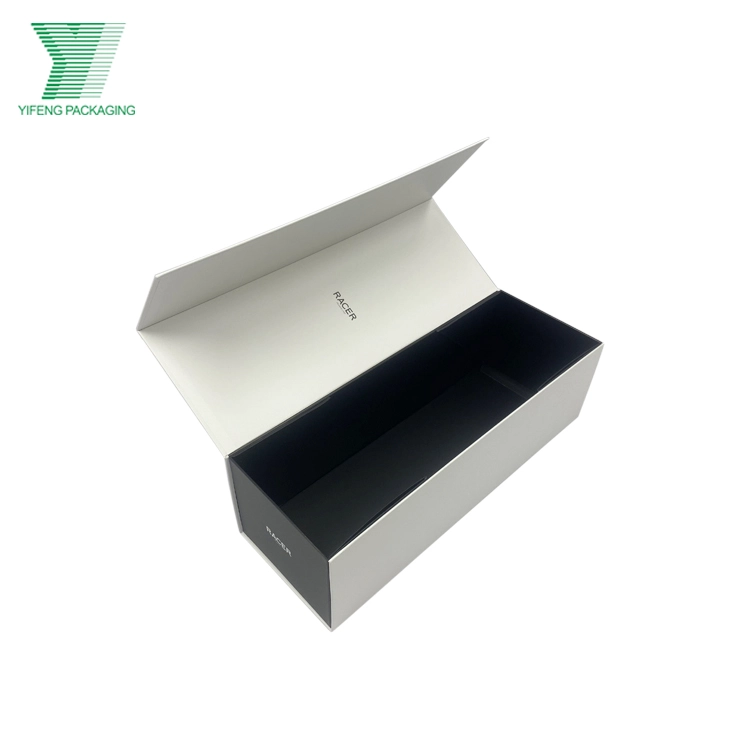
Custom Collapsible Magnetic Rigid Gift Box, Long Folding Packaging Box For Heating Gloves
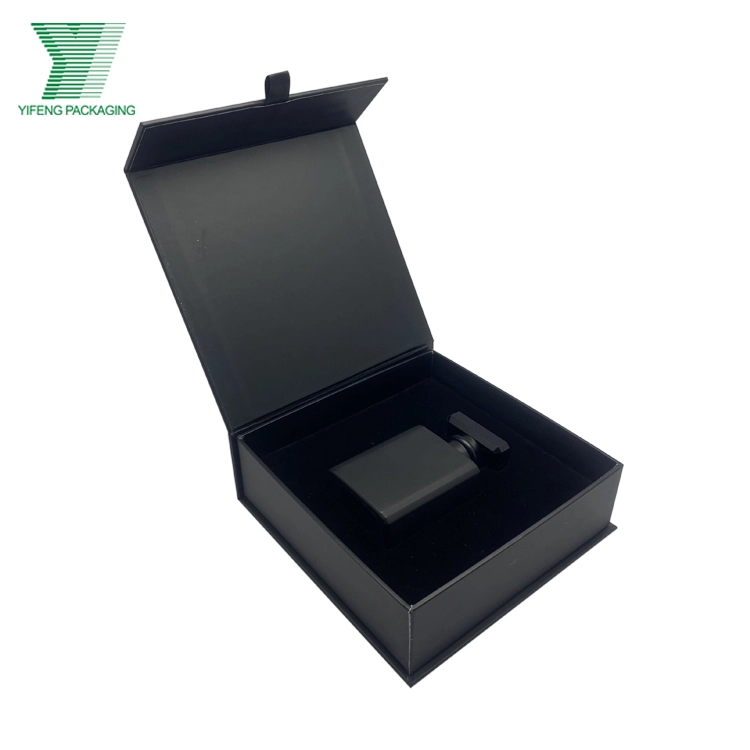
Custom Luxury Black Magnetic Flip Perfume Gift Box For Men Cologne Packaging
Want Similar Packaging for Your Brand?
If you have any comments or good suggestions, please leave us a message, later our professional staff will contact you as soon as possible.
Contact
Email: marketing@yfpackaging.com
Telephone: +86 020 3435 4688
Phone: +86 17818581665
Address: Room 1910, Zhongguang Building, No. 100, Middle of Jiangnan
Avenue, Haizhu District, Guangzhou City, Guangdong Province, China


Instagram
Youtube
TikTok