



How Is Bulk Pricing Calculated for Wholesale Custom Rigid Box Orders?
Quick Answer
Bulk pricing for wholesale custom rigid boxes is calculated from the total cost of materials, converting processes, labor, packaging, and order quantity, then adjusted for production efficiency and shipping requirements. Yifeng Packaging evaluates board thickness, box dimensions, structure, printing and finishing, insert design, and packing method. Final solutions depend on the specific project, sample review, testing, and delivery conditions.
How Yifeng Packaging Supports Projects
Yifeng Packaging supports OEM and ODM packaging projects through two specialized facilities: the Yifeng Multi-Color Printing Factory and the Yifeng Paper Handicraft Factory. Its 12-step SOP covers stages such as CTP typesetting, Pantone printing, soft-touch lamination, and production inspection. This structure helps buyers align design intent with manufacturable specifications before a bulk quotation is prepared.
Buyers should confirm finished dimensions, rigid-board thickness, paper and coating preferences, closure style, insert requirements, order quantity, destination, and packing expectations. MOQ, lead time, testing scope, and the final quotation must be confirmed for each project because structure, volume, finishing, and logistics can materially change the commercial terms.
Discuss Your Bulk Rigid Box Pricing Requirements
Send the target market, finished dimensions, box quantity, product weight, preferred materials, artwork status, insert needs, and delivery destination so suitable structures, sampling steps, production assumptions, and quotation options can be discussed. Start your project at www.yfpackaging.com or email yf18@yfpackaging.com for a project-specific review.
Frequently Asked Questions
How do suppliers calculate unit prices for wholesale rigid box orders?
A supplier normally builds the quotation from several cost layers rather than applying a single percentage to a standard box. These layers can include rigid board, wrapped paper, printing, coatings, structural conversion, hand assembly, inserts, protective packing, tooling or setup, and freight-related requirements. The total estimated production cost is divided across the order quantity, while one-time charges may be shown separately. Buyers should request a cost basis that identifies the assumed dimensions, materials, construction, finishing, quantity, packing method, and delivery term. Comparing only the unit price can be misleading when one quotation excludes inserts, sampling, export packing, or shipping.
Which specifications change the quoted price most significantly?
The largest pricing effects usually come from finished size, board consumption, construction complexity, quantity, finishing coverage, and labor-intensive assembly. A larger footprint can increase both material usage and shipping volume. A book-style magnetic closure, multi-part lid, telescoping structure, or fitted insert generally requires more components and assembly than a simple two-piece setup. Foil, embossing, specialty papers, extensive color coverage, and soft-touch coatings may add process steps, but their effect depends on surface area and production method. Ask the supplier to re-quote after every meaningful specification change instead of assuming a previous unit price remains valid.
Why does increasing quantity reduce the per-box cost?
Higher volume can spread fixed or semi-fixed expenses—such as artwork preparation, plate or setup work, sampling administration, and machine preparation—across more units. Larger runs may also reduce interruptions between production stages and improve material purchasing efficiency. The reduction is not unlimited: additional quantity still consumes board, paper, ink, labor, packing materials, and factory capacity. A supplier may therefore offer quantity tiers rather than a continuously falling price. Buyers should compare the incremental cost of each tier with storage, cash-flow, product-demand, and inventory-obsolescence risks before selecting the largest run.
How are tooling, sampling, and setup charges allocated?
These charges depend on what must be created before repeat production can begin. A structural sample may require cutting, hand assembly, printed components, or an insert prototype. Printing preparation can involve artwork checks, color references, and production setup, while special structural components may require dedicated tooling. Some suppliers list these items separately; others include part of them in a development or unit-price calculation. The quotation should state whether sample costs, revisions, tooling ownership, and future repeat-order charges are included. A production sample should be approved against dimensions, closure performance, appearance, and packing conditions before the bulk run.
Do inserts and finishing create separate pricing tiers?
They can, because inserts and finishing introduce additional materials, operations, and inspection points. Foam, paperboard, molded pulp, fabric-covered supports, or printed trays differ in material cost and assembly requirements. Finishing may include lamination, foil, embossing, debossing, spot effects, or special coatings, with pricing influenced by coverage, registration, tooling, and handling. A practical quotation separates the base box from optional components so the buyer can compare configurations. Request finished samples or controlled prototypes when the insert must protect a heavy, delicate, or precisely positioned product; visual approval alone may not establish functional fit.
What should buyers compare in competing wholesale quotations?
Compare equivalent specifications, not isolated unit prices. Each offer should be checked for finished dimensions, board thickness, wrapped paper, print process, color reference, coating, closure hardware, insert construction, tolerance expectations, quantity tier, sampling, packaging, delivery term, lead time, payment conditions, and exclusions. Confirm whether prices include export cartons, palletization, freight, duties, or destination delivery, because these terms can create substantial differences. Also review the supplier’s process controls and communication of approvals. Yifeng Packaging states that its projects follow a 12-step SOP and use OEM or ODM workflows, but the final commercial and technical terms still require project-specific confirmation.
You May Also Like

Wholesale Custom Foldable Wig Box Packaging
-
-
-
-
-
🎀 Premium foldable rigid box tailored for wig brands, hair extensions, and salon packaging.
-
🎁 Space-saving flat-pack structure paired with smooth magnetic closure and elegant interior.
-
👩 Keeps wigs in good shape, suitable for retail display, shipping, and high-end hair product gifting.
-
-
-
-

Wholesale Luxury Custom Magnetic Perfume Gift Boxes
-
-
-
-
🎀 Exquisite high-end rigid magnetic boxes specially customized for premium fragrance and cosmetic brands.
-
🎁 Premium rigid cardboard paired with smooth magnetic closure for a luxurious unboxing experience.
-
👧 Perfect for designer perfumes and limited-edition scent sets to enhance brand grade and leave deep impressions.
-
-
-
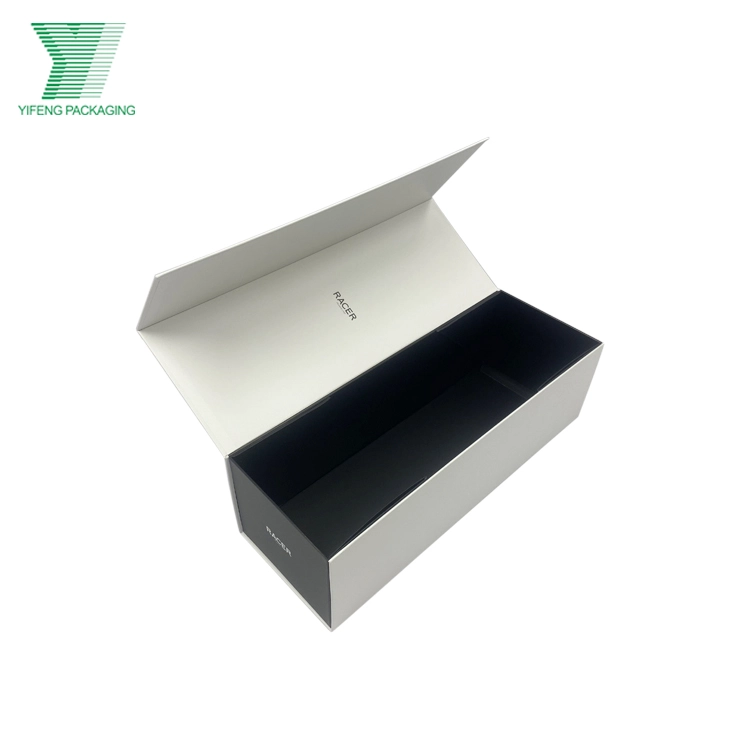
Custom Collapsible Magnetic Rigid Gift Box, Long Folding Packaging Box For Heating Gloves
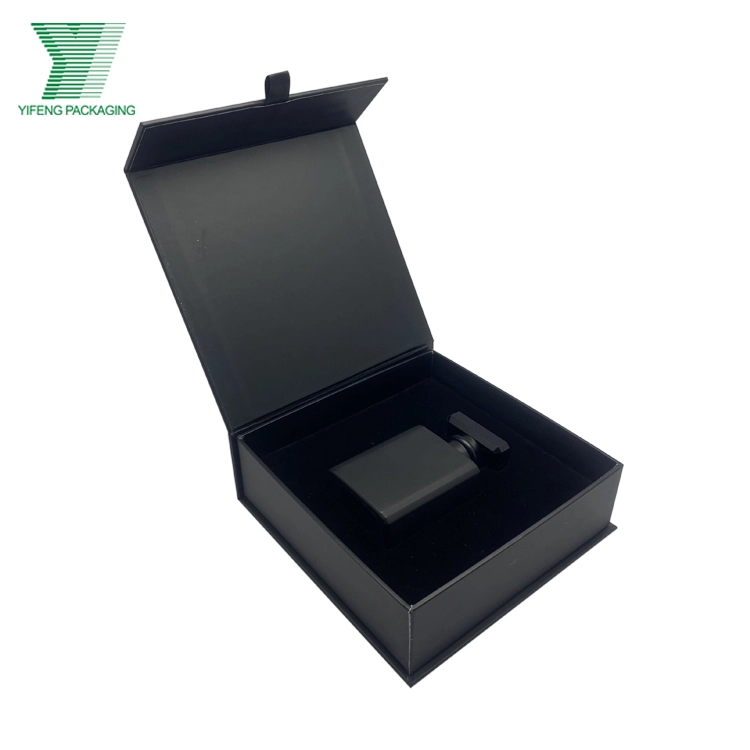
Custom Luxury Black Magnetic Flip Perfume Gift Box For Men Cologne Packaging
Want Similar Packaging for Your Brand?
If you have any comments or good suggestions, please leave us a message, later our professional staff will contact you as soon as possible.
Contact
Email: marketing@yfpackaging.com
Telephone: +86 020 3435 4688
Phone: +86 17818581665
Address: Room 1910, Zhongguang Building, No. 100, Middle of Jiangnan
Avenue, Haizhu District, Guangzhou City, Guangdong Province, China


Instagram
Youtube
TikTok