
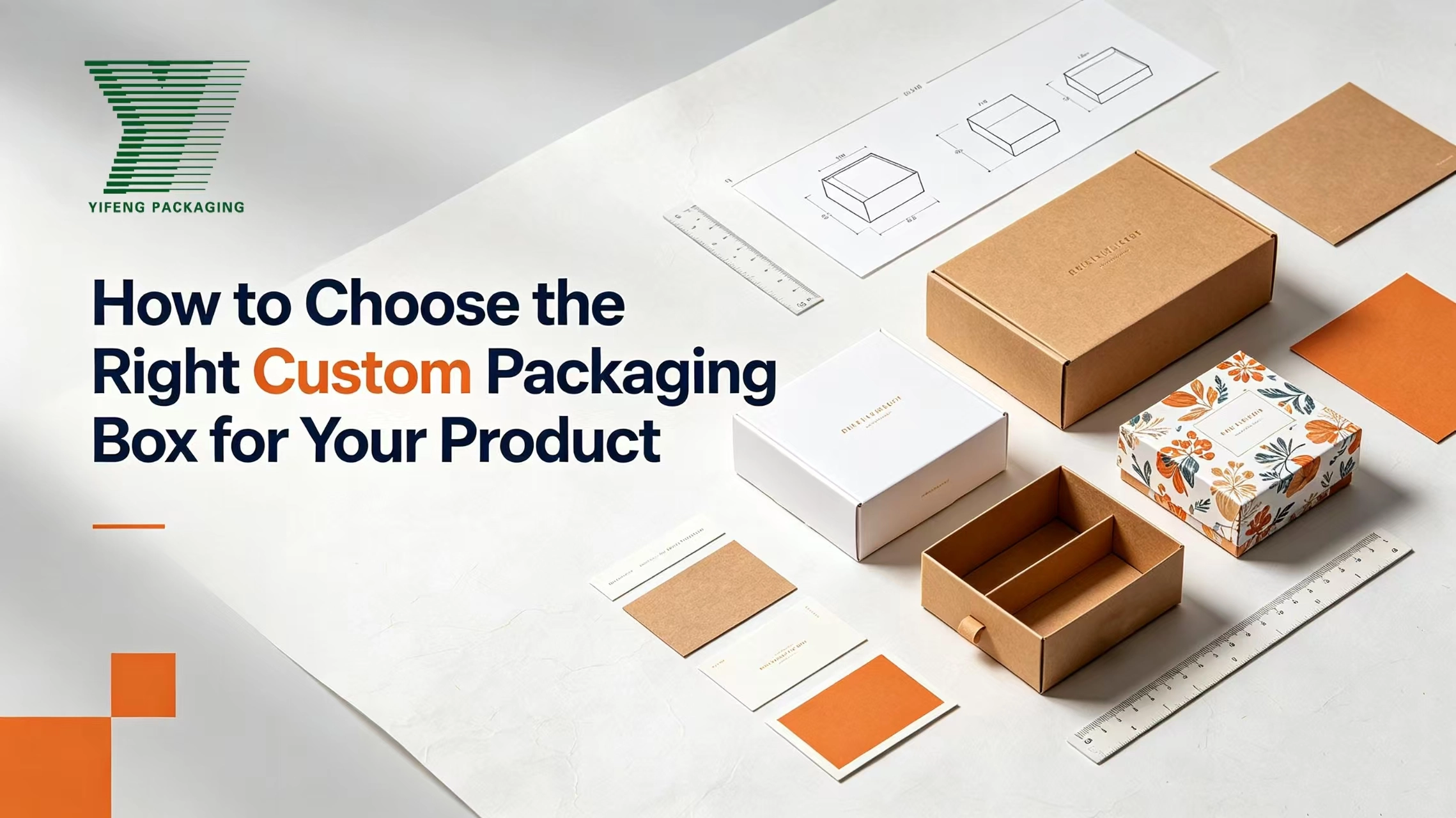
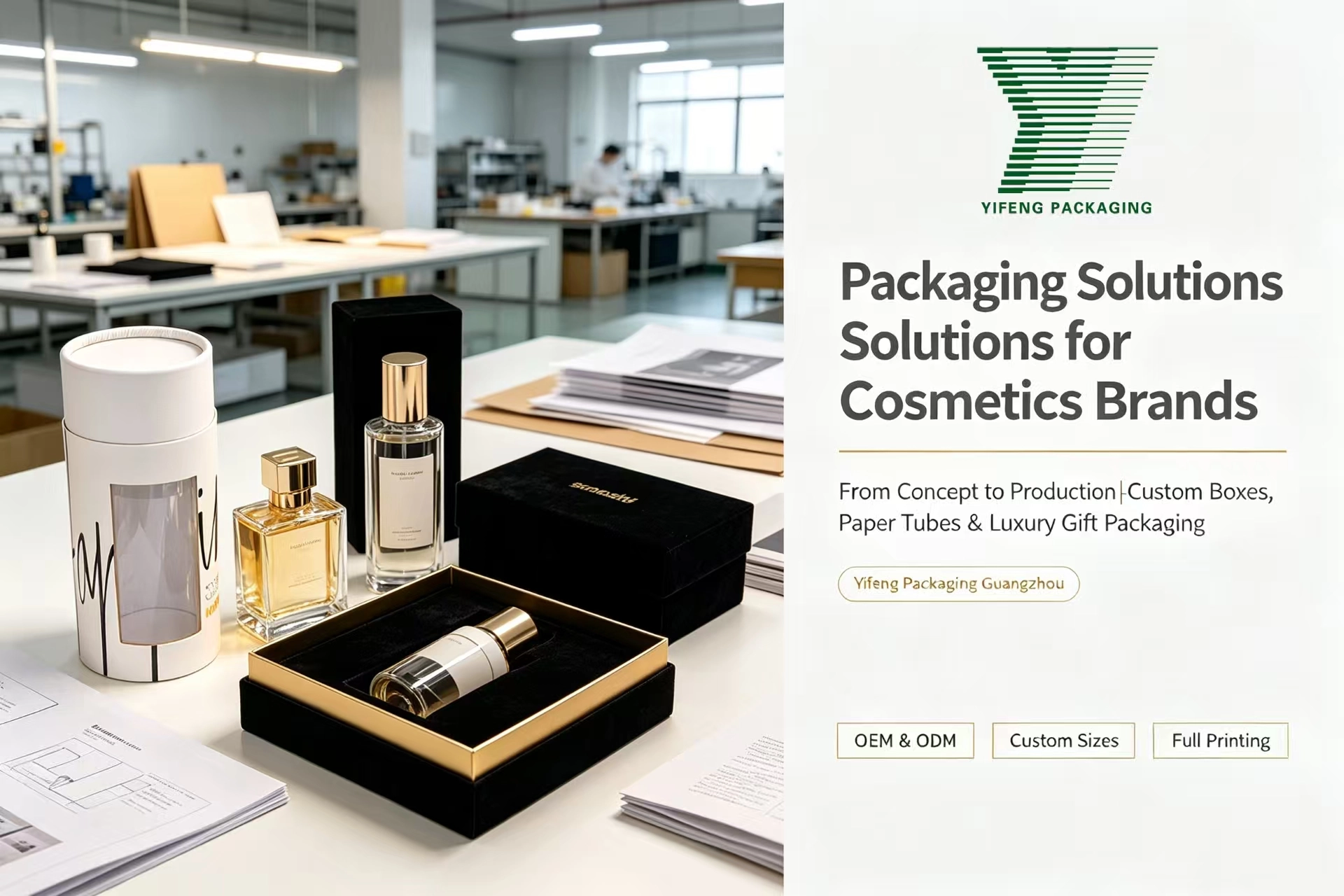
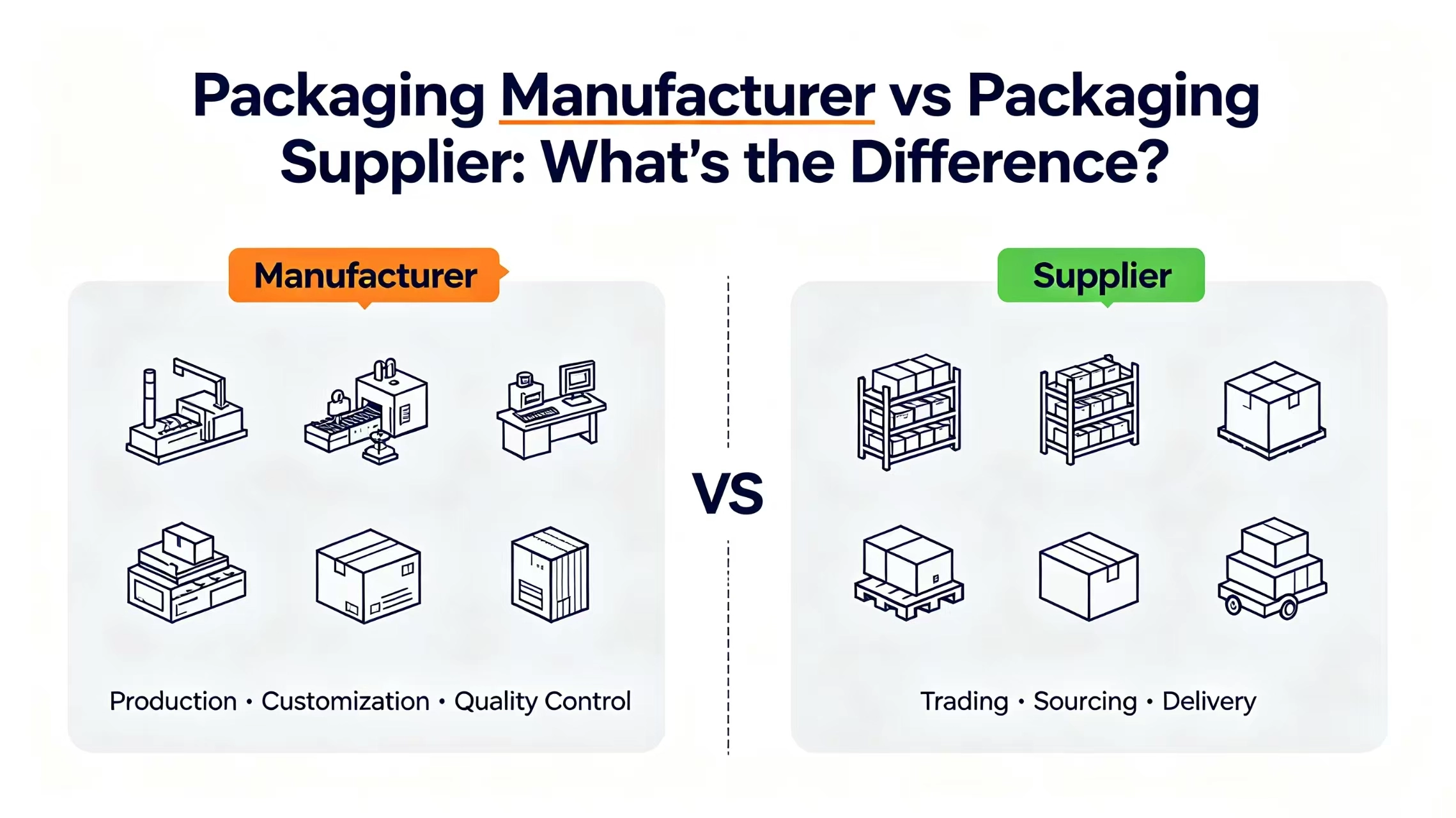


How to Choose the Right Custom Packaging Box for Your Product
- What Is Custom Packaging?
- How Do You Choose the Right Packaging Box?
- Rigid Boxes vs. Folding Cartons
- Rigid Boxes
- Folding Cartons
- Which One Should You Choose?
- What Materials Are Used for Custom Packaging Boxes?
- Paperboard
- Greyboard
- Kraft Paper
- How Do You Choose the Right Box Structure?
- Magnetic Closure Box
- Drawer Box
- Lid and Base Box
- Folding Box
- Do Custom Packaging Boxes Need Inserts?
- Which Printing and Finishing Options Should You Use?
- What Information Should You Send to a Packaging Manufacturer?
- How Much Does Custom Packaging Cost?
- What Is the Typical Custom Packaging Development Process?
- How Can You Make Custom Packaging More Sustainable?
- How to Find a Reliable Custom Packaging Manufacturer
- Why Work With an Experienced Packaging Manufacturer?
- FAQ
Choosing the right custom packaging box is more than selecting a size, material, or printing finish. The right packaging needs to protect the product, communicate the brand, fit the target market, and remain practical for manufacturing and shipping.
For brands sourcing packaging from a custom packaging manufacturer, five factors are especially important: product type, box structure, material, finishing, and production requirements.
This guide explains how to choose the right custom packaging box and when to use rigid boxes, folding cartons, magnetic boxes, drawer boxes, or other packaging structures.
What Is Custom Packaging?
Custom packaging is packaging designed and manufactured according to a product's specific dimensions, branding requirements, materials, structure, and finishing options.
Unlike standard stock boxes, custom packaging can be customized in areas such as:
- Box dimensions
- Structure and opening style
- Paper and board materials
- Printing
- Surface finishing
- Inserts
- Handles, ribbons, magnets, and other accessories
- Internal product protection
Custom packaging is commonly used for cosmetics, jewelry, candles, food, beverages, electronics, apparel, gifts, and luxury consumer products.
How Do You Choose the Right Packaging Box?
The best packaging structure depends primarily on the product, desired brand positioning, budget, quantity, and shipping requirements.
A simple decision process is:
Product → Protection → Box Structure → Material → Printing & Finishing → Insert → Production → Shipping
Before requesting a quotation, brands should determine the following:
- What product will go inside the box?
- What are the product dimensions and weight?
- Does the product require additional protection?
- Is the packaging intended for retail shelves, e-commerce, gifting, or luxury presentation?
- What is the expected order quantity?
- Does the packaging need inserts?
- What level of printing and finishing is required?
Providing this information to a packaging manufacturer can significantly improve quotation accuracy and reduce development time.
Rigid Boxes vs. Folding Cartons
Two of the most common custom packaging solutions are rigid boxes and folding cartons.
Rigid Boxes
Rigid boxes are manufactured from thick paperboard and are designed to provide a premium, sturdy structure.
They are commonly used for:
- Jewelry
- Luxury cosmetics
- Perfume
- Watches
- Candles
- Premium gifts
- Electronics
- High-end consumer products
Popular rigid box structures include:
- Magnetic closure boxes
- Book-style boxes
- Lid and base boxes
- Drawer boxes
- Shoulder boxes
- Folding rigid boxes
Rigid boxes are generally a good choice when brand presentation and perceived product value are more important than minimizing packaging cost and shipping volume.
Folding Cartons
Folding cartons are produced from paperboard and can be folded flat for transportation and storage.
They are commonly used for:
- Cosmetics
- Food products
- Pharmaceuticals
- Personal care products
- Retail products
- Small consumer goods
Folding cartons are often more cost-effective for larger production volumes because they use less material and can be shipped and stored efficiently.
Which One Should You Choose?
A simple comparison is:
| Requirement | Rigid Box | Folding Carton |
|---|---|---|
| Premium presentation | Excellent | Good |
| Structural strength | Excellent | Moderate |
| Flat shipping | Limited | Excellent |
| Storage efficiency | Moderate | Excellent |
| Luxury products | Excellent | Good |
| Large-volume retail | Good | Excellent |
| Cost efficiency | Moderate | Excellent |
There is no universally "best" box. The appropriate choice depends on the product and business requirements.
What Materials Are Used for Custom Packaging Boxes?
The material should be selected based on the product, structural requirements, appearance, sustainability goals, and budget.
Common packaging materials include:
Paperboard
Paperboard is widely used for folding cartons and lightweight retail packaging.
It can be printed with offset or digital printing and finished with options such as:
- Matte lamination
- Gloss lamination
- Soft-touch coating
- UV coating
- Foil stamping
- Embossing
- Debossing
Greyboard
Greyboard is commonly used as the structural core of rigid boxes because of its strength and thickness.
It is normally wrapped with printed or specialty paper to create the final appearance.
Kraft Paper
Kraft paper is frequently selected by brands looking for a natural or eco-conscious visual style.
It is particularly suitable for:
- Food packaging
- Coffee packaging
- Candle packaging
- Handmade products
- Sustainable consumer brands
The actual environmental performance of a packaging solution depends on the complete material combination, coatings, adhesives, printing processes, and end-of-life conditions.
How Do You Choose the Right Box Structure?
The opening experience can influence how customers perceive a product.
Magnetic Closure Box
Magnetic boxes create a premium opening experience and are often used for luxury products, gifts, cosmetics, and electronics.
Drawer Box
Drawer-style packaging uses an inner tray that slides out from an outer sleeve.
It is commonly used for jewelry, candles, cosmetics, gifts, and specialty products.
Lid and Base Box
A two-piece lid and base structure is simple, durable, and suitable for many premium products.
Folding Box
Folding boxes are designed to reduce shipping and storage volume and can be useful for brands with larger production quantities.
Do Custom Packaging Boxes Need Inserts?
Inserts are often necessary when the product needs additional protection or precise positioning.
Common insert materials include:
- Paperboard
- Cardboard
- EVA foam
- Sponge
- Molded pulp
- Corrugated board
For example, a jewelry box may require a precisely shaped insert to prevent the product from moving during transportation.
For e-commerce products, inserts can also help reduce movement and improve the unboxing experience.
The insert should be designed together with the box rather than treated as a separate component.
Which Printing and Finishing Options Should You Use?
Printing communicates the visual identity of the brand, while finishing can change the texture and perceived quality of the package.
Common options include:
- CMYK printing
- Pantone printing
- Foil stamping
- Embossing
- Debossing
- Spot UV
- Matte lamination
- Gloss lamination
- Soft-touch lamination
A premium packaging design does not necessarily require many finishing techniques.
In many cases, one or two carefully selected finishing effects can create a stronger result than combining too many effects.
For example:
Black + gold foil can create a luxury appearance.
Kraft paper + one-color printing can create a natural aesthetic.
Matte lamination + embossing can create a sophisticated tactile effect.
What Information Should You Send to a Packaging Manufacturer?
To receive an accurate quotation, provide as much of the following information as possible:
- Product name
- Product dimensions
- Product weight
- Box dimensions
- Preferred box structure
- Material preference
- Printing requirements
- Finishing requirements
- Insert requirements
- Estimated order quantity
- Target market
- Delivery destination
- Artwork or reference images
If you do not know the correct box structure or material, a professional packaging manufacturer can recommend options based on the product and budget.
How Much Does Custom Packaging Cost?
There is no single price for a custom packaging box.
Packaging cost is affected by:
- Box size
- Material
- Box structure
- Order quantity
- Printing method
- Number of colors
- Finishing
- Inserts
- Accessories
- Sampling
- Shipping requirements
Generally, increasing the production quantity can reduce the unit cost because tooling, setup, and production costs are distributed across more units.
For this reason, brands should compare packaging quotations based on the complete specification, rather than comparing unit prices alone.
What Is the Typical Custom Packaging Development Process?
A professional packaging project normally follows several stages:
1. Requirement Discussion
The manufacturer reviews the product, dimensions, quantity, materials, structure, and branding requirements.
2. Structural Design
The packaging structure and dimensions are developed according to the product.
3. Artwork Preparation
The brand provides or approves the printing artwork.
4. Prototype or Sample
A physical sample can be produced to verify dimensions, structure, appearance, and functionality.
5. Sample Approval
The customer reviews and approves the sample.
6. Mass Production
The approved specifications are transferred to production.
7. Quality Control
The finished packaging is inspected before packing and shipment.
This process helps reduce the risk of dimensional errors, printing problems, and structural issues during mass production.
How Can You Make Custom Packaging More Sustainable?
Sustainable packaging is not simply about using brown kraft paper.
Brands should evaluate the entire packaging system, including:
- Material selection
- Material weight
- Recyclability
- Coatings
- Adhesives
- Printing methods
- Packaging size
- Transportation efficiency
- Product protection
- End-of-life disposal
Reducing unnecessary material and optimizing box dimensions can sometimes have a meaningful environmental benefit because smaller and lighter packaging can require less material and transportation space.
For brands with specific sustainability requirements, the packaging manufacturer should confirm the exact materials and certifications used for the project.
How to Find a Reliable Custom Packaging Manufacturer
When comparing packaging manufacturers, do not evaluate suppliers based only on product photos or price.
Look for evidence of:
- Manufacturing capability
- Quality-control procedures
- Relevant certifications
- Material options
- Sampling capability
- Production capacity
- Export experience
- Packaging engineering
- Communication quality
- Previous projects
A reliable supplier should be able to explain why a particular structure or material is suitable for your product, rather than simply accepting a specification without technical feedback.
Why Work With an Experienced Packaging Manufacturer?
An experienced packaging manufacturer can help brands solve problems before production begins.
For example, a packaging supplier may identify:
- A box dimension that is difficult to manufacture
- An insert that does not adequately protect the product
- A finishing process that is unsuitable for the selected material
- A structure that increases shipping costs
- A material combination that does not meet the customer's requirements
This technical input can reduce unnecessary sampling, production delays, and packaging defects.
The right custom packaging box should balance product protection, brand presentation, manufacturing feasibility, sustainability, cost, and shipping efficiency.
Rigid boxes are generally suitable for premium and luxury products, while folding cartons can provide an efficient solution for retail and larger-volume applications. The best packaging solution depends on the product and the brand's specific requirements.
If you are developing custom packaging, start with the product dimensions, expected quantity, target market, and desired brand experience. An experienced packaging manufacturer can then help determine the appropriate structure, materials, inserts, printing, and finishing.
YF Packaging provides custom packaging manufacturing and OEM/ODM packaging solutions for brands looking for customized boxes, rigid packaging, folding cartons, gift boxes, and specialty packaging.
FAQ
What is the best box for luxury products?
Rigid boxes are commonly used for luxury products because they provide a sturdy structure and a premium presentation. Magnetic, drawer, lid-and-base, and book-style structures are popular options.
Are custom rigid boxes more expensive than folding cartons?
Generally, rigid boxes require more material and manufacturing processes, so they often cost more than folding cartons. However, the actual price depends on size, quantity, materials, finishing, and structure.
What is the MOQ for custom packaging?
MOQ varies by packaging structure, material, printing process, and manufacturer. Brands should confirm the MOQ with the packaging supplier for the specific project.
How long does custom packaging production take?
Lead time depends on the packaging structure, sample requirements, quantity, materials, finishing, and production schedule. Always confirm the sampling and mass-production timeline before placing an order.
Can packaging manufacturers provide custom inserts?
Yes. Custom packaging manufacturers can often provide inserts made from paperboard, EVA, molded pulp, foam, and other materials depending on the product's protection requirements.
Can I order a packaging sample before mass production?
Yes. A prototype or pre-production sample is recommended for custom packaging projects because it allows the brand to verify the structure, dimensions, materials, printing, and finishing before mass production.

You May Also Like

Wholesale Custom Foldable Wig Box Packaging
-
-
-
-
-
🎀 Premium foldable rigid box tailored for wig brands, hair extensions, and salon packaging.
-
🎁 Space-saving flat-pack structure paired with smooth magnetic closure and elegant interior.
-
👩 Keeps wigs in good shape, suitable for retail display, shipping, and high-end hair product gifting.
-
-
-
-

Wholesale Luxury Custom Magnetic Perfume Gift Boxes
-
-
-
-
🎀 Exquisite high-end rigid magnetic boxes specially customized for premium fragrance and cosmetic brands.
-
🎁 Premium rigid cardboard paired with smooth magnetic closure for a luxurious unboxing experience.
-
👧 Perfect for designer perfumes and limited-edition scent sets to enhance brand grade and leave deep impressions.
-
-
-
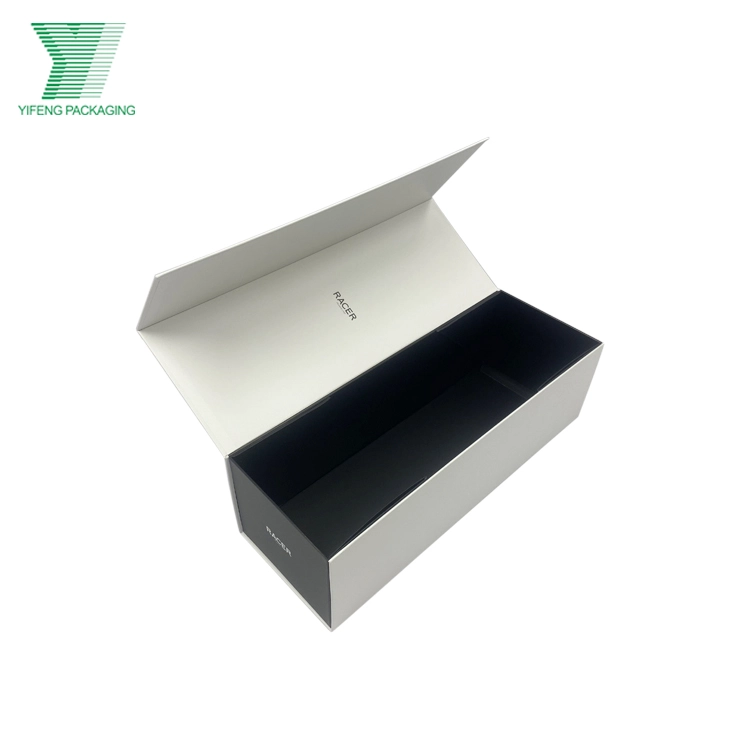
Custom Collapsible Magnetic Rigid Gift Box, Long Folding Packaging Box For Heating Gloves
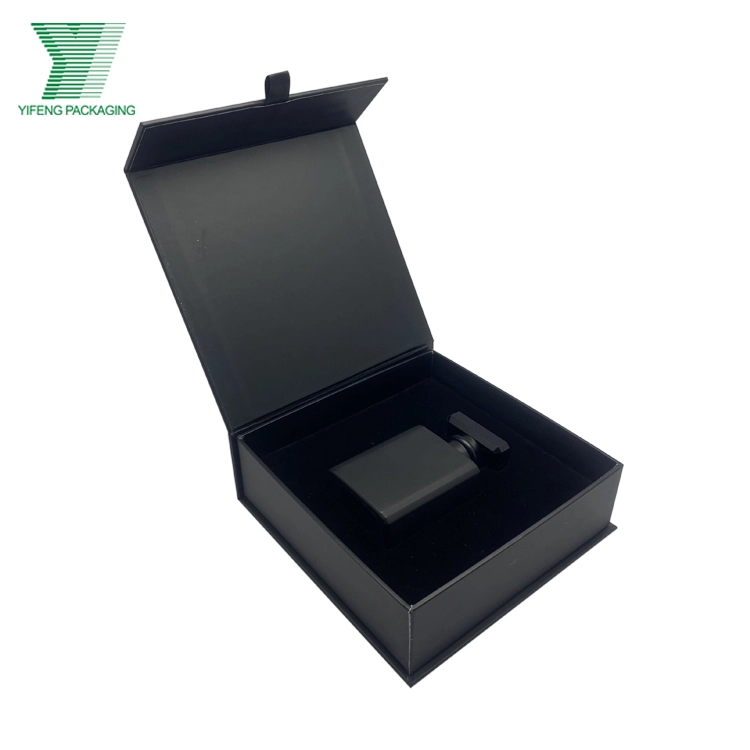
Custom Luxury Black Magnetic Flip Perfume Gift Box For Men Cologne Packaging
Want Similar Packaging for Your Brand?
If you have any comments or good suggestions, please leave us a message, later our professional staff will contact you as soon as possible.
Contact
Email: marketing@yfpackaging.com
Telephone: +86 020 3435 4688
Phone: +86 17818581665
Address: Room 1910, Zhongguang Building, No. 100, Middle of Jiangnan
Avenue, Haizhu District, Guangzhou City, Guangdong Province, China


Instagram
Youtube
TikTok