
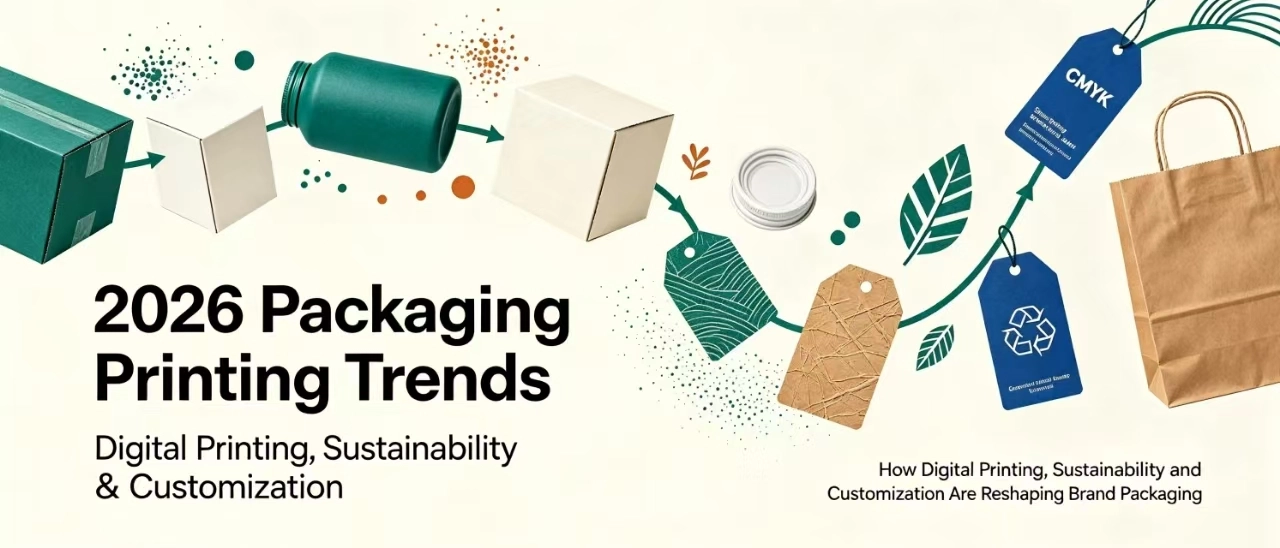
2026 Packaging Printing Trends: How Digital Printing, Sustainability and Customization Are Reshaping Brand Packaging
- 2026 Packaging Printing Trends: How Digital Printing, Sustainability and Customization Are Reshaping Brand Packaging
- 1. Digital Printing Is Moving From an Alternative to a Core Packaging Technology
- What does this mean for packaging buyers?
- 2. Sustainable Packaging Is Becoming a Business Requirement
- 3. “Less Packaging” Is Becoming “Better Packaging”
- 4. Customization Is Becoming a Competitive Advantage
- 5. Packaging Is Becoming More Interactive
- 6. Premium Finishing Is Evolving Toward More Selective Design
- 7. Faster Sampling and Production Are Becoming More Important
- 8. Packaging Manufacturers Are Becoming Solution Providers
- What Should Brands Look for in a Packaging Manufacturer in 2026?
- 1. Manufacturing capability
- 2. Printing technology
- 3. Material options
- 4. Structural design
- 5. Finishing capability
- 6. Quality control
- 7. International experience
- How Yifeng Packaging Supports the Next Generation of Custom Packaging
- The Future of Packaging Printing: More Flexible, More Sustainable, More Connected
- Looking for a Custom Packaging Manufacturing Partner?
2026 Packaging Printing Trends: How Digital Printing, Sustainability and Customization Are Reshaping Brand Packaging
The packaging industry is entering a new phase in 2026.
Packaging is no longer simply a protective layer around a product. For modern brands, it has become part of the product experience, a communication channel, a sustainability statement, and an increasingly important part of the supply chain.
At the same time, packaging manufacturers are facing new expectations. Brands want faster product launches, smaller production runs, more customization, better visual quality, sustainable materials, and greater production flexibility.
These changes are reshaping the way packaging is designed, printed, finished, and manufactured.
For brands sourcing custom packaging, understanding these trends can help them make better decisions about materials, printing technologies, structures, and manufacturing partners.
Here are the key packaging printing trends shaping the industry in 2026.
1. Digital Printing Is Moving From an Alternative to a Core Packaging Technology
Digital printing is one of the most important changes taking place in packaging production.
Traditional offset, flexographic, and gravure printing remain important for many large-volume applications. However, digital printing is becoming increasingly attractive for brands that need shorter production runs, faster turnaround times, variable designs, and greater customization.
Recent industry analysis shows that digital printing is entering a more mature stage of adoption in packaging. Instead of being treated simply as a standalone printing technology, digital printing is increasingly being integrated into broader production and manufacturing workflows.
This is particularly relevant for:
- New product launches
- Limited-edition packaging
- Seasonal campaigns
- Personalized packaging
- Multiple SKUs
- Regional packaging variations
- Small and medium production runs
For brands, the value is not simply the printing process itself. The bigger advantage is flexibility.
A packaging design can be changed more easily without creating new printing plates, allowing brands to react faster to market demand.
What does this mean for packaging buyers?
When selecting a packaging manufacturer, buyers should look beyond printing quality alone.
It is increasingly important to evaluate:
- Printing technology
- Color management
- Short-run capability
- Variable-data printing
- Proofing and sampling
- Production flexibility
- Integration between printing and finishing
The right printing technology should match the product lifecycle, order volume, and marketing strategy.
2. Sustainable Packaging Is Becoming a Business Requirement
Sustainability is no longer simply a packaging design trend.
It is becoming an important consideration in material selection, packaging structure, manufacturing, logistics, and market access.
This shift is especially visible in Europe. The EU Packaging and Packaging Waste Regulation (PPWR) began applying on August 12, 2026, introducing a harmonized framework covering packaging and packaging waste. The regulation includes requirements and objectives related to recyclability, reuse, material efficiency, labeling, and restrictions on certain substances.
For packaging manufacturers and brand owners, this means sustainability needs to be considered much earlier in the packaging development process.
Instead of asking:
“Can we make this packaging more sustainable?”
brands increasingly need to ask:
“How should sustainability be built into the packaging from the beginning?”
This can involve:
- Recyclable paperboard
- FSC-certified paper
- Recycled paper and cardboard
- Reduced material usage
- Plastic-free structures
- Water-based coatings
- Appropriate surface finishes
- More efficient packaging dimensions
- Reduced unnecessary components
However, sustainable packaging does not necessarily mean sacrificing visual appeal.
Modern printing and finishing technologies allow paper-based packaging to combine responsible material choices with premium aesthetics.
For luxury packaging, cosmetics, jewelry, chocolate, fashion, and gifting, this balance between sustainability and premium presentation is becoming increasingly important.
3. “Less Packaging” Is Becoming “Better Packaging”
Another important trend is packaging optimization.
The future is not simply about using more sustainable materials. It is also about using the right amount of material.
E-commerce has accelerated this trend. Packaging needs to protect products during transportation while minimizing unnecessary empty space, material consumption, and shipping volume.
The industry is therefore moving toward concepts such as:
- Right-sized packaging
- Lightweight structures
- Foldable packaging
- Space-efficient designs
- Optimized inserts
- Reduced packaging components
This creates an important opportunity for packaging manufacturers.
Structural design can have as much impact as material selection.
A well-designed box can potentially use less material, improve product protection, reduce transportation volume, and create a better unboxing experience at the same time.
For example, foldable rigid boxes can combine premium presentation with more efficient storage and transportation.
This is particularly relevant for brands selling internationally.
4. Customization Is Becoming a Competitive Advantage
Consumers increasingly expect brands to feel distinctive.
As a result, standardized packaging is no longer suitable for every product category.
Brands are looking for packaging that reflects their:
- Brand identity
- Product positioning
- Target audience
- Marketing campaign
- Sales channel
- Seasonal strategy
Customization can involve much more than adding a logo.
Modern custom packaging can include customized:
- Dimensions
- Box structures
- Materials
- Colors
- Printing
- Surface finishes
- Inserts
- Closures
- Handles
- Windows
- Opening mechanisms
For example, a luxury jewelry brand may require a rigid magnetic box with a customized insert, while a cosmetics brand may prefer a printed folding carton with a distinctive finish.
The packaging structure should therefore be designed around the product and brand rather than selected from a standard catalog.
5. Packaging Is Becoming More Interactive
Packaging is also becoming increasingly connected to the digital world.
QR codes, smart labels, traceability systems, and other digital technologies can turn packaging into a communication channel.
A printed package can direct consumers to:
- Product information
- Brand stories
- Usage instructions
- Authenticity verification
- Promotional campaigns
- Loyalty programs
- Digital content
Industry research has identified QR codes, AI, augmented reality, and digital product information as important elements of the next generation of packaging design.
This means packaging designers and printers need to think beyond static graphics.
The printed surface can become the starting point for a broader customer experience.
6. Premium Finishing Is Evolving Toward More Selective Design
Premium packaging does not necessarily require more finishing.
Instead, brands are increasingly using finishing techniques strategically.
Foil stamping, embossing, debossing, spot UV, matte coating, soft-touch effects, and other techniques can create visual hierarchy and tactile differentiation.
The key is choosing the right combination.
For example:
Luxury jewelry packaging
Rigid board + textured paper + foil stamping + embossing
Premium cosmetics packaging
Folding carton + high-quality printing + spot UV + soft-touch coating
Sustainable lifestyle packaging
Recycled paperboard + natural texture + minimal printing
The goal is not to maximize the number of finishing techniques.
The goal is to create a packaging experience that supports the brand positioning.
Yifeng Packaging currently offers more than 100 material options and more than 30 finishing options, including embossing, foil stamping, UV coating, and lamination.
7. Faster Sampling and Production Are Becoming More Important
Packaging development cycles are getting shorter.
Brands need to test new products, launch seasonal collections, respond to market trends, and update packaging designs faster.
That makes sampling capability increasingly important.
A packaging manufacturer should be able to support the process from:
Design → Structural Development → Material Selection → Prototype → Printing → Finishing → Mass Production → Delivery
A fast prototype helps brands identify structural or visual problems before committing to large production volumes.
For international brands, this can reduce communication problems and help accelerate product launches.
Yifeng Packaging currently highlights fast prototyping, with a stated sample development timeline of approximately 10 days, alongside large-scale production capabilities.
8. Packaging Manufacturers Are Becoming Solution Providers
Perhaps the biggest change is happening at the manufacturing level.
Brands are increasingly looking for more than a factory that simply produces boxes.
They want a packaging partner that can help with:
- Structural design
- Material selection
- Printing
- Finishing
- Inserts
- Prototyping
- Quality control
- Production planning
- Logistics
- Sustainability requirements
This is why one-stop packaging manufacturing is becoming increasingly valuable.
A coordinated production process can reduce the number of suppliers involved in a project and make communication, quality control, and production scheduling easier.
For B2B packaging buyers, the question is gradually changing from:
“Who can manufacture this box?”
to:
“Who can help us develop and manufacture the right packaging solution?”
What Should Brands Look for in a Packaging Manufacturer in 2026?
With these trends in mind, packaging buyers should consider several key factors when evaluating a supplier.
1. Manufacturing capability
Can the manufacturer handle both sampling and large-scale production?
2. Printing technology
Does the supplier offer the printing technologies suitable for your order volume, artwork, and customization requirements?
3. Material options
Can the manufacturer provide recyclable, recycled, FSC-certified, or other material options where appropriate?
4. Structural design
Can the supplier help optimize the box structure for product protection, logistics, storage, and user experience?
5. Finishing capability
Can printing and finishing be coordinated within the same production workflow?
6. Quality control
Does the manufacturer have clear inspection procedures for color, dimensions, printing, finishing, assembly, and packaging performance?
7. International experience
For global brands, experience with international markets, documentation, packaging requirements, and shipping is also important.
How Yifeng Packaging Supports the Next Generation of Custom Packaging
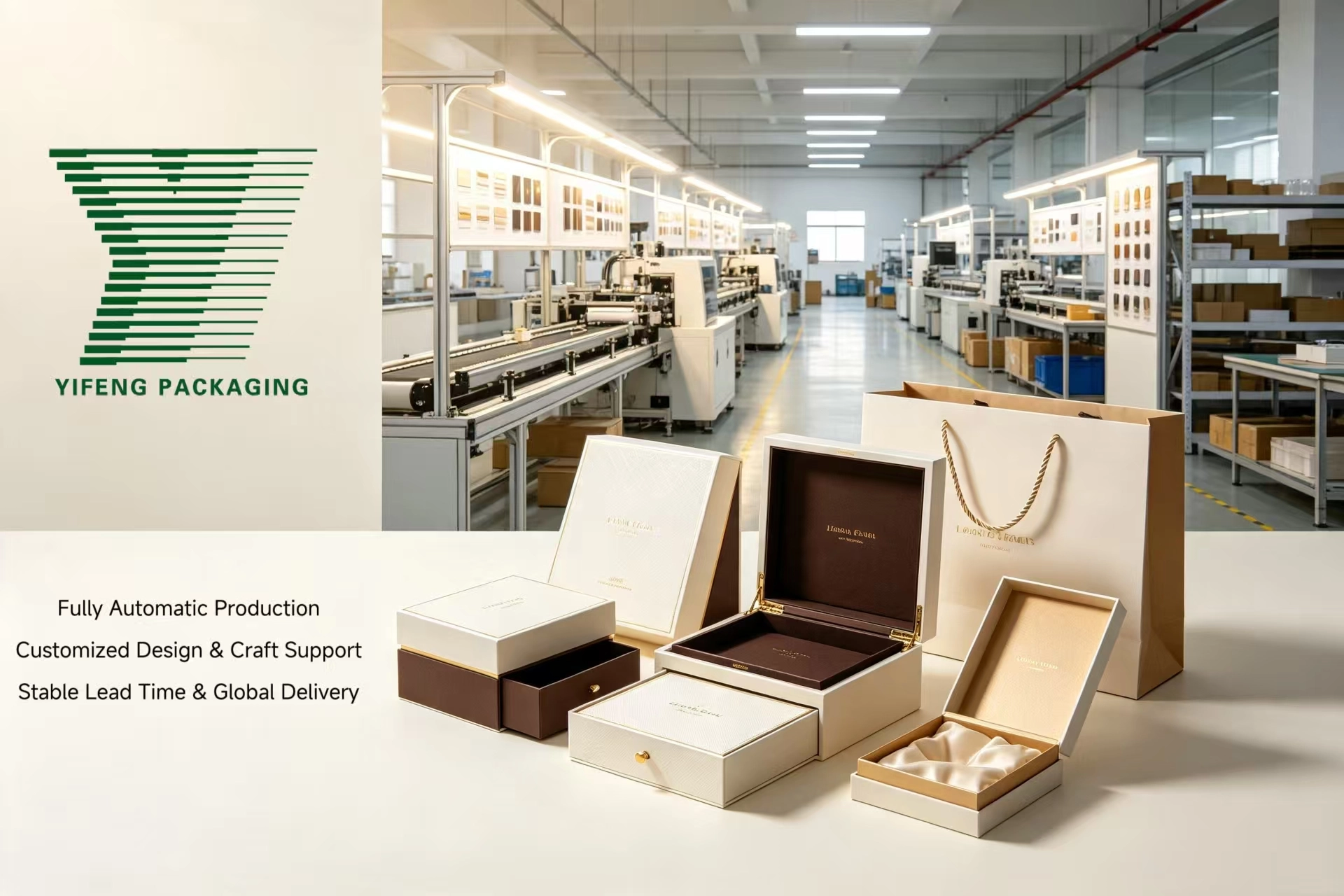
Yifeng Packaging has developed its business around custom paper packaging and OEM/ODM manufacturing.
According to the company's website, Yifeng was founded in 1990 and operates two manufacturing facilities, with capabilities covering custom packaging design, material selection, printing, finishing, sampling, and mass production.
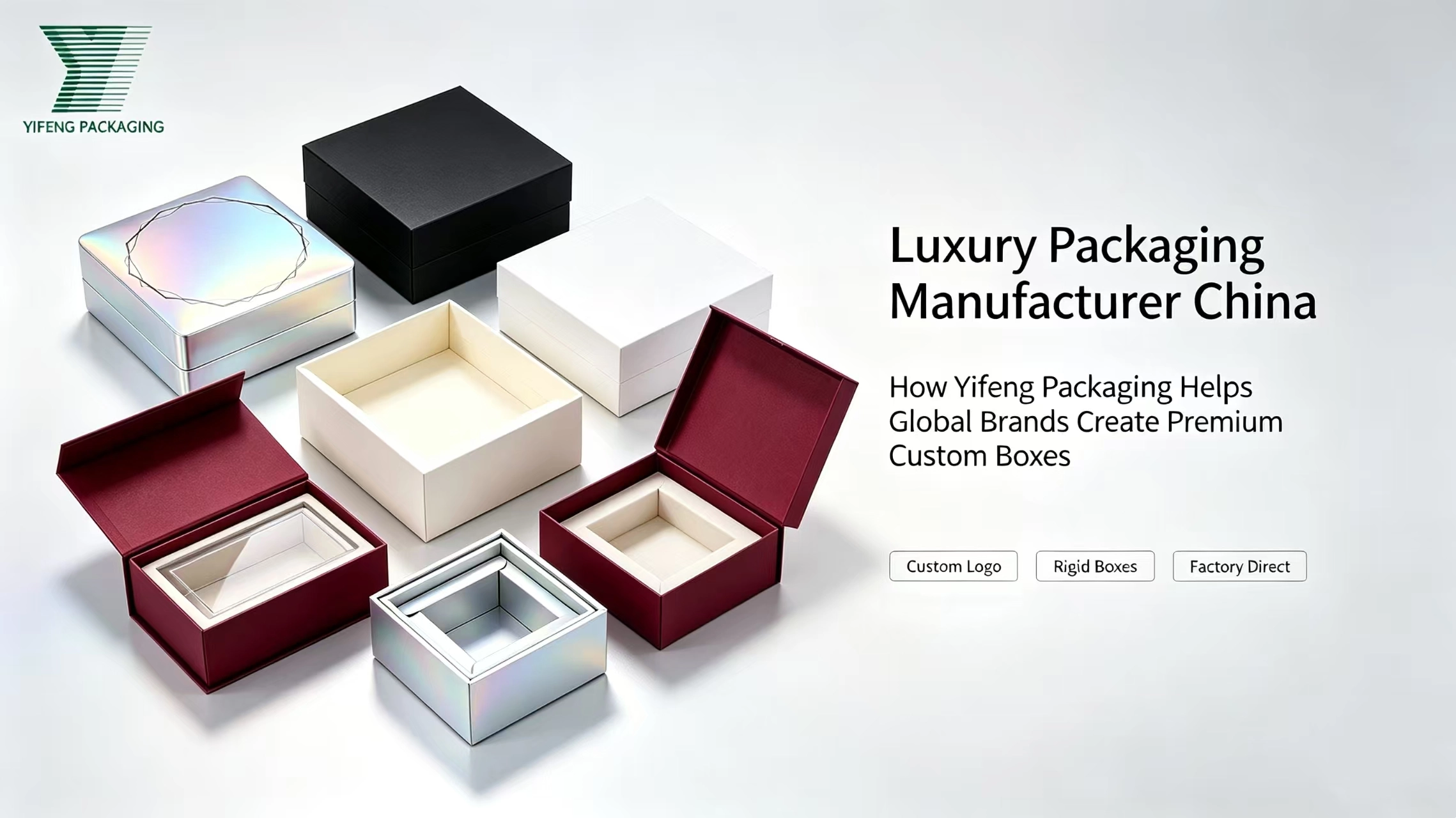
Its product range includes folding cartons, rigid boxes, corrugated boxes, paper tubes, jewelry boxes, gift boxes, paper bags, labels, and custom packaging solutions.
This integrated approach is particularly relevant as packaging buyers increasingly look for suppliers that can combine:
Customization + Printing + Finishing + Structural Design + Manufacturing
Rather than treating these as separate processes, brands can develop packaging as one complete system.
The Future of Packaging Printing: More Flexible, More Sustainable, More Connected
The packaging industry is moving toward a new model.
Printing is becoming more digital and flexible.
Materials are becoming more sustainable and carefully selected.
Packaging structures are becoming more efficient.
Customization is becoming more important.
And packaging itself is becoming increasingly connected to digital consumer experiences.
For brands, these changes create both challenges and opportunities.
The packaging manufacturer of the future will not simply print a box.
It will help brands determine what to print, what material to use, how to structure the package, how to improve the customer experience, and how to manufacture it efficiently at scale.
As packaging continues to evolve, the most successful solutions will be those that bring together design, printing, sustainability, functionality, and manufacturing efficiency in one integrated packaging strategy.
Looking for a Custom Packaging Manufacturing Partner?
Whether you are developing luxury gift boxes, jewelry packaging, cosmetic boxes, chocolate packaging, paper tubes, or other custom paper packaging, choosing the right manufacturing partner can make a significant difference in quality, cost, lead time, and brand presentation.
Yifeng Packaging provides custom packaging solutions from material selection and structural design to printing, finishing, sampling, and mass production.
Tell us about your packaging project and let our team develop a customized solution for your brand.

You May Also Like

Wholesale Custom Foldable Wig Box Packaging
-
-
-
-
-
🎀 Premium foldable rigid box tailored for wig brands, hair extensions, and salon packaging.
-
🎁 Space-saving flat-pack structure paired with smooth magnetic closure and elegant interior.
-
👩 Keeps wigs in good shape, suitable for retail display, shipping, and high-end hair product gifting.
-
-
-
-

Wholesale Luxury Custom Magnetic Perfume Gift Boxes
-
-
-
-
🎀 Exquisite high-end rigid magnetic boxes specially customized for premium fragrance and cosmetic brands.
-
🎁 Premium rigid cardboard paired with smooth magnetic closure for a luxurious unboxing experience.
-
👧 Perfect for designer perfumes and limited-edition scent sets to enhance brand grade and leave deep impressions.
-
-
-
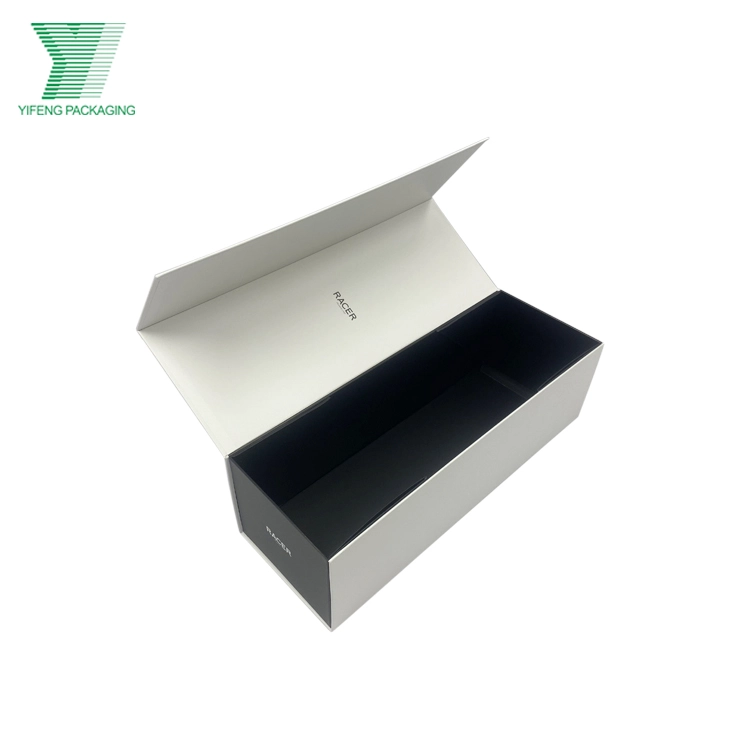
Custom Collapsible Magnetic Rigid Gift Box, Long Folding Packaging Box For Heating Gloves
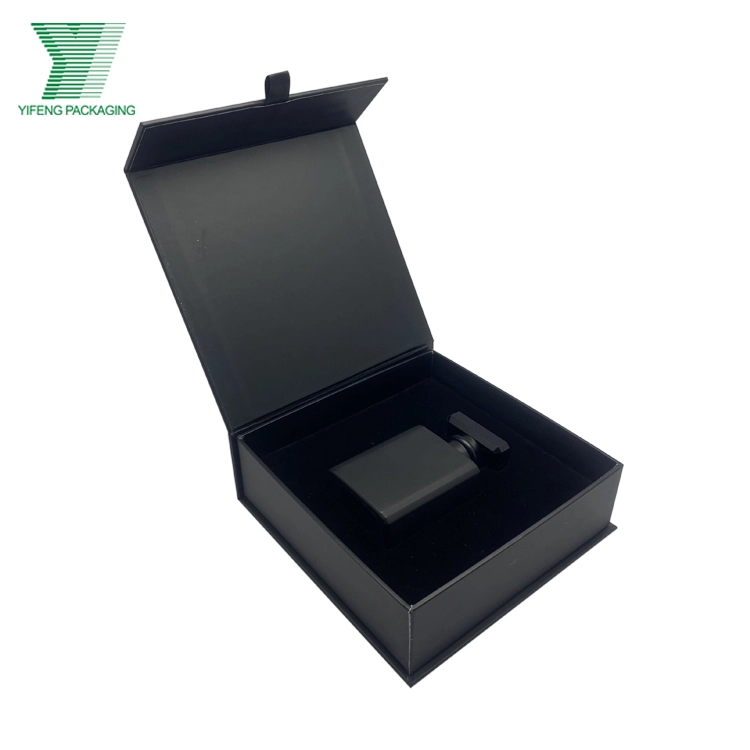
Custom Luxury Black Magnetic Flip Perfume Gift Box For Men Cologne Packaging
Want Similar Packaging for Your Brand?
If you have any comments or good suggestions, please leave us a message, later our professional staff will contact you as soon as possible.
Contact
Email: marketing@yfpackaging.com
Telephone: +86 020 3435 4688
Phone: +86 17818581665
Address: Room 1910, Zhongguang Building, No. 100, Middle of Jiangnan
Avenue, Haizhu District, Guangzhou City, Guangdong Province, China


Instagram
Youtube
TikTok