
How to Update Packaging Design Without Restarting the Full Production Process?
- Why Most Brands Overestimate the Cost of a Packaging Refresh
- The Myth of the Full Reset
- Separating Structural Changes from Cosmetic Changes
- The Role of Modular Design Architecture
- Practical Strategies for Executing a Mid-Cycle Design Update
- Conducting a Pre-Update Production Audit
- Leveraging Pantone Matching for Color Updates
- Phased Rollout vs. Full Inventory Transition
- Comparing Update Approaches: What the Data Actually Shows
- How Yifeng Packaging Makes Mid-Cycle Updates Seamless
- Three Decades of Production Intelligence
- A 12-Step SOP That Protects Your Update Investment
- High Quality Materials That Support Design Flexibility
- Frequently Asked Questions
Updating packaging design mid-lifecycle is one of the most misunderstood challenges in the custom packaging boxes industry. Most brand managers assume that any meaningful design change requires a full production restart — new dies, new plates, new material orders, and weeks of downtime. In my 15 years of working directly with manufacturers and brand teams across North America, Europe, and Southeast Asia, I can tell you that assumption is almost always wrong. The reality is that a structured, modular approach to packaging design — combined with the right partnership with a capable packaging solutions provider — allows brands to implement significant visual and structural updates while preserving the majority of their existing production investment. The key lies in understanding which elements of your packaging are truly fixed and which are far more flexible than you think.
Why Most Brands Overestimate the Cost of a Packaging Refresh
The Myth of the Full Reset
I have sat across the table from procurement managers who genuinely believed that changing a logo color or updating a product description on their custom cardboard boxes meant ordering entirely new tooling. This misconception costs brands thousands of dollars in unnecessary delays and missed market windows. The truth is that modern printing technology, particularly Computer-to-Plate (CTP) typesetting, has fundamentally changed the economics of design updates. When your manufacturer uses CTP workflows, updating a print file is a matter of hours, not weeks. The physical die — the tool that cuts and scores your box into shape — only needs to be replaced if you are changing the structural dimensions of the packaging. If your box footprint stays the same, your die stays the same. That single insight alone can save a mid-sized brand upwards of $3,000 to $8,000 per SKU on a redesign project.
Separating Structural Changes from Cosmetic Changes
In my experience, the single most valuable exercise any brand can do before initiating a packaging update is to categorize every proposed change as either structural or cosmetic. Structural changes — altering box dimensions, changing closure mechanisms, switching from a tuck-end to a magnetic closure — do require new tooling and potentially new material specifications. Cosmetic changes — updating colors, swapping out imagery, revising copy, adding a new finish like soft-touch lamination — require only new print plates or updated digital files. When I audit a client's change list, I typically find that 70 to 80 percent of their desired updates are purely cosmetic. That means the vast majority of their production infrastructure is already in place and ready to use. The moment a brand team internalizes this distinction, the entire conversation about packaging updates shifts from can we afford this? to how quickly can we execute?
The Role of Modular Design Architecture
One strategy I have championed for years is what I call modular design architecture for custom packaging boxes. The idea is simple: when you first design your packaging, you deliberately separate the brand layer from the product layer. The brand layer includes your logo, primary color palette, structural format, and High Quality finishes — elements that rarely change. The product layer includes SKU-specific information, imagery, regulatory text, and seasonal messaging — elements that change frequently. By designing these layers to be independently updatable, you create a packaging system where a seasonal campaign refresh or a regulatory compliance update can be executed by simply reprinting the product layer components, leaving the brand layer infrastructure completely intact. This approach is standard practice among the most sophisticated consumer goods companies in the world, and it is entirely achievable for mid-market brands working with the right custom packaging manufacturer in China.
Practical Strategies for Executing a Mid-Cycle Design Update
Conducting a Pre-Update Production Audit
Before I recommend any update strategy to a client, I always insist on a thorough production audit. This means pulling together all existing production assets: die files, print-ready artwork, material specifications, Pantone color references, and supplier records. You would be surprised how often brands discover that they already own assets they thought were lost or that their manufacturer has on file. A good custom packaging manufacturer in China will maintain a complete digital archive of your production files as a standard service. At minimum, you need to confirm the current die dimensions, the existing substrate specifications — including board weight and surface treatment — and the current ink and finish specifications. With this information in hand, you can make precise, informed decisions about which updates require new investment and which can be executed against existing infrastructure.
Leveraging Pantone Matching for Color Updates
Color is one of the most emotionally powerful elements of packaging design, and it is also one of the easiest to update without a full production restart. The Pantone Matching System (PMS) provides a standardized language for color specification that any competent printer can execute consistently across production runs. When a brand wants to update its packaging color palette — whether to align with a rebrand, respond to consumer research, or simply refresh a tired look — the process involves updating the print file with new PMS references and producing new print plates. If the structural format of the packaging remains unchanged, this is a relatively straightforward and cost-effective update. I have managed color refresh projects for custom gift boxes and custom jewelry boxes that were completed in under three weeks from artwork approval to first production samples, precisely because the structural infrastructure was already in place.
Phased Rollout vs. Full Inventory Transition
One of the most practical questions I get asked is: do we need to exhaust all existing packaging inventory before introducing the updated design? The answer depends on Yifeng Packaging's specific situation, but in most cases, a phased rollout is both feasible and strategically smart. A phased approach means you continue using existing packaging stock for current orders while introducing the updated design on new production runs. This eliminates waste, preserves cash flow, and gives your team time to validate the new design in market before committing to full-scale production. The critical requirement for a successful phased rollout is clear communication with your custom packaging manufacturer about inventory levels, lead times, and the exact changeover point. A manufacturer with strong production planning capabilities — and a dedicated account management team — can coordinate this transition seamlessly.
Comparing Update Approaches: What the Data Actually Shows
Over the years, I have compiled data from dozens of packaging update projects across multiple product categories. The table below summarizes the key differences between a full production restart and a targeted mid-cycle update, based on real-world project metrics.
| Update Dimension | Full Production Restart | Targeted Mid-Cycle Update |
|---|---|---|
| Average Lead Time | 8 to 14 weeks | 2 to 5 weeks |
| Tooling Cost (per SKU) | $3,000 to $10,000+ | $0 to $1,500 (plates only) |
| Artwork & Pre-Press Cost | Full redesign investment | Partial update (30–60% savings) |
| Minimum Order Quantity Impact | Full MOQ required | Can align with existing MOQ cycles |
| Risk of Brand Inconsistency | High (complete system change) | Low (modular layer updates) |
| Inventory Write-Off Risk | High (existing stock obsoleted) | Low (phased transition possible) |
| Suitable For | Complete brand overhaul, new product lines | Seasonal updates, compliance changes, color refreshes, copy updates |
The data is unambiguous. For the vast majority of packaging update scenarios that brands actually face — seasonal campaigns, regulatory text updates, minor visual refreshes, new finish options — a targeted mid-cycle update delivers dramatically better economics and speed without sacrificing quality. The ISO 9001 quality management framework that governs professional manufacturing operations is specifically designed to support exactly this kind of controlled, incremental change management within an existing production system.
How Yifeng Packaging Makes Mid-Cycle Updates Seamless
Three Decades of Production Intelligence
When I think about what genuinely separates a world-class custom packaging manufacturer in China from a commodity supplier, production intelligence is at the top of my list. Established in 1990, Guangzhou Yifeng Printing & Packaging Co., Ltd. has spent over 30 years building exactly this kind of deep operational knowledge. Their team does not just execute print jobs — they understand the full lifecycle of a packaging program, including how to manage updates, transitions, and refreshes without disrupting supply chain continuity. Operating two dedicated facilities — the Yifeng Multi-Color Printing Factory and the Yifeng Paper Handicraft Factory — they have the scale and specialization to handle both the print and structural elements of any update project under one roof. That dual-factory model is a genuine competitive advantage when you are trying to coordinate a mid-cycle design update across multiple packaging components simultaneously.
A 12-Step SOP That Protects Your Update Investment
Every project at Yifeng Packaging moves through a rigorous 12-step Standard Operating Procedure, from CTP typesetting and Pantone color matching through to soft-touch lamination and final quality inspection. This structured process is not bureaucratic overhead — it is the operational backbone that makes controlled design updates possible. When you submit an updated artwork file for your custom paper boxes or custom food packaging boxes, the CTP workflow ensures that your new design is translated into production with pixel-perfect accuracy. Pantone matching guarantees color consistency between your updated design and any existing packaging components that are being retained. And the quality inspection protocols at each stage of production catch any deviation before it reaches your warehouse. For brands managing complex packaging portfolios — think custom gift boxes, custom jewelry boxes, and custom cardboard boxes across multiple SKUs — this level of process discipline is not a luxury; it is a necessity.
High Quality Materials That Support Design Flexibility
One aspect of packaging updates that brands frequently overlook is the material dimension. Yifeng Packaging works with FSC-certified materials and rigid boards ranging from 1200gsm to 1800gsm, along with food-safe inks that meet international compliance standards. This material range gives brand teams genuine flexibility when updating packaging designs. Want to upgrade from a standard finish to a High Quality soft-touch lamination on your custom paper bags or custom paper tubes? Yifeng's material library and supplier relationships make that a straightforward specification change rather than a sourcing project. Need to update your custom food packaging boxes to meet new food-safety ink regulations in a target market? Their use of certified food-safe inks means compliance updates can be implemented cleanly without compromising the visual quality of the packaging. This is the kind of practical, materials-level flexibility that only comes from working with a manufacturer that has invested seriously in its supply chain over decades. You can explore the full range of their capabilities across their packaging solutions portfolio, which spans luxury wine boxes, magnetic closure gift boxes, chocolate packaging, and High Quality retail packaging across categories. For direct inquiries about your specific update project, their team can be reached at marketing@yfpackaging.com.
The Forest Stewardship Council (FSC) certification that Yifeng's materials carry is also increasingly important for brands updating packaging to meet sustainability commitments — a trend that shows no signs of slowing as global regulatory pressure on packaging sustainability continues to intensify. Choosing a manufacturer whose material standards are already aligned with where the market is means your next design update can incorporate sustainability credentials without requiring a separate materials sourcing effort.
If you are managing a packaging portfolio that needs to evolve — whether that means a seasonal color refresh for your custom gift boxes, a compliance-driven copy update for your custom food packaging boxes, or a High Quality finish upgrade for your custom jewelry boxes — the strategic answer is almost never to restart from scratch. It is to work with a manufacturer who has the process discipline, material depth, and production intelligence to execute targeted updates efficiently and reliably. That is precisely what Yifeng Packaging has been delivering for international brands for over three decades.
Frequently Asked Questions
Can I update my packaging design without ordering a completely new die?
Yes, in most cases you can. A new die is only required if you are changing the structural dimensions or format of your packaging — for example, altering the box footprint, changing closure type, or modifying the overall shape. If your update involves only cosmetic changes such as new colors, updated copy, revised imagery, or a different surface finish, your existing die remains fully usable. This distinction is one of the most important cost-saving insights in the custom packaging boxes industry.
How long does a mid-cycle packaging design update typically take with a manufacturer in China?
Based on real-world project data, a targeted mid-cycle update — covering cosmetic changes like color, copy, or finish — typically takes 2 to 5 weeks from artwork approval to first production samples when working with a capable custom packaging manufacturer in China. This compares favorably to a full production restart, which generally requires 8 to 14 weeks. The key factor is having a manufacturer with CTP typesetting workflows and strong pre-press capabilities, which dramatically reduces the time between artwork submission and production readiness.
What is modular packaging design architecture and how does it help with future updates?
Modular packaging design architecture is a strategic approach where you deliberately separate your packaging design into a stable brand layer — logo, primary colors, structural format, premium finishes — and a flexible product layer — SKU-specific copy, imagery, regulatory text, seasonal messaging. By designing these layers to be independently updatable from the outset, you create a packaging system where future updates to the product layer can be executed quickly and cost-effectively without touching the brand layer infrastructure. This approach is particularly valuable for brands managing multiple SKUs or running frequent seasonal campaigns.
How do I manage existing packaging inventory during a design transition?
A phased rollout approach is typically the most practical and cost-effective strategy. This means continuing to use existing packaging stock for current orders while introducing the updated design on new production runs. The critical requirement is clear, proactive communication with your custom packaging manufacturer about current inventory levels, anticipated depletion timelines, and the exact production changeover point. A manufacturer with strong production planning capabilities can coordinate this transition to minimize waste and avoid any gap in packaging supply.
What types of packaging updates does Yifeng Packaging support without requiring a full production restart?
Yifeng Packaging supports a wide range of mid-cycle updates across their product portfolio, including color updates using Pantone matching, copy and regulatory text revisions, surface finish upgrades such as adding soft-touch lamination or spot UV, material specification changes within their FSC-certified substrate range, and food-safe ink compliance updates for custom food packaging boxes. Their 12-step SOP and CTP typesetting workflow are specifically designed to execute these targeted updates with precision and consistency, making them a strong partner for brands managing evolving packaging programs across custom paper boxes, custom gift boxes, custom jewelry boxes, custom cardboard boxes, custom paper bags, and custom paper tubes.
How do I know if my packaging update requires new print plates or just a file update?
This depends on your manufacturer's printing technology. Manufacturers using Computer-to-Plate (CTP) workflows can often update print files digitally with minimal additional cost for straightforward copy or minor graphic changes. However, if your update involves significant color changes, new Pantone specifications, or major layout revisions, new print plates will typically be required. The cost of new plates is substantially lower than new tooling — generally in the range of a few hundred dollars per color per plate — making even significant cosmetic updates far more affordable than a full production restart.

-
-
-
-
-
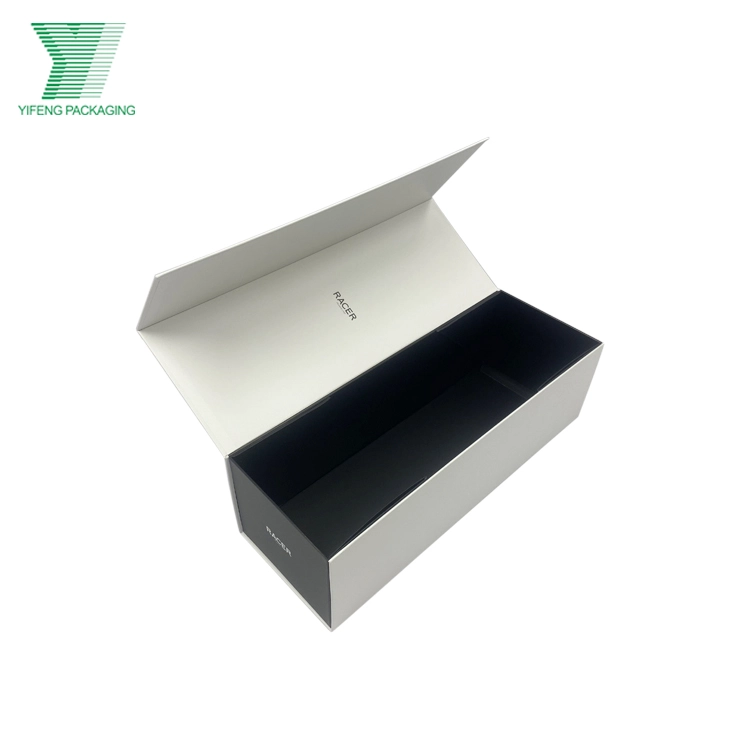
🎀 Premium foldable rigid box tailored for wig brands, hair extensions, and salon packaging.
-
🎁 Space-saving flat-pack structure paired with smooth magnetic closure and elegant interior.
-
👩 Keeps wigs in good shape, suitable for retail display, shipping, and high-end hair product gifting.
-
-
-
-

-
-
-
-
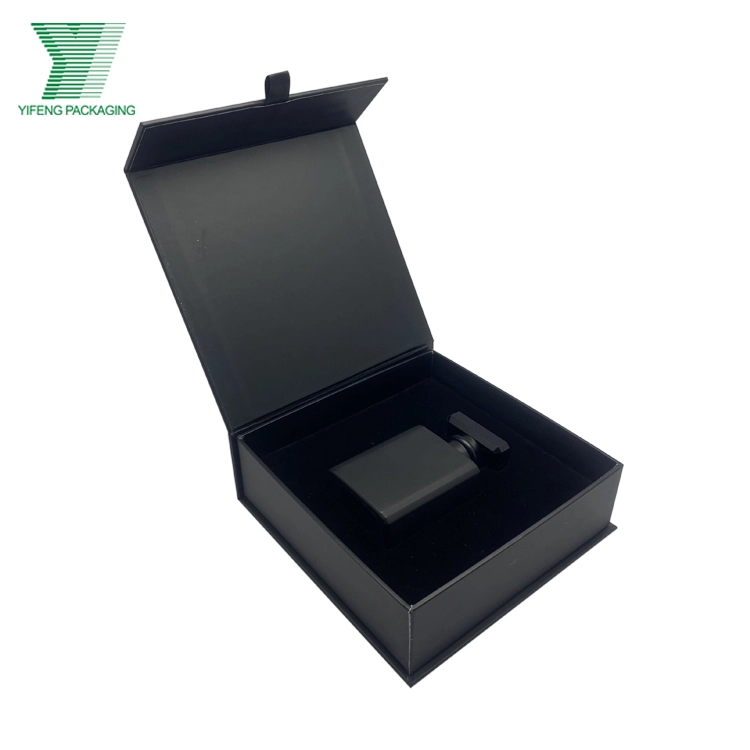
🎀 Exquisite high-end rigid magnetic boxes specially customized for premium fragrance and cosmetic brands.
-
🎁 Premium rigid cardboard paired with smooth magnetic closure for a luxurious unboxing experience.
-
👧 Perfect for designer perfumes and limited-edition scent sets to enhance brand grade and leave deep impressions.
-
-
-
Contact
Email: marketing@yfpackaging.com
Telephone: +86 020 3435 4688
Phone: +86 17818581665
Address: Room 1910, Zhongguang Building, No. 100, Middle of Jiangnan
Avenue, Haizhu District, Guangzhou City, Guangdong Province, China


Instagram
Youtube
TikTok