
What Storage Conditions Prevent Packaging Damage Before Shipment?
- Why Pre-Shipment Storage Is the Silent Killer of High Quality Packaging Quality
- The Physics of Moisture and Paper-Based Packaging
- Temperature Extremes and Their Effect on Adhesives and Coatings
- UV Exposure and Color Fading in Finished Packaging
- Structural Integrity: Stacking, Compression, and Load Distribution
- Understanding Box Compression Testing and Stack Height Limits
- Pallet Configuration and Floor Storage Rules
- FIFO Rotation and Inventory Age Management
- Comparing Storage Condition Standards: Best Practice vs. Common Practice
- How Yifeng Packaging Engineers Boxes That Survive Real-World Storage Conditions
- Material Specifications Designed for Storage Resilience
- Surface Treatments That Protect Against Environmental Stressors
- Dual-Factory Production and Quality-Controlled Outbound Packaging
- Frequently Asked Questions
Pre-shipment packaging damage is one of the most underestimated cost drivers in global supply chains. In my 15 years working alongside procurement managers, brand directors, and logistics coordinators, I have seen pristine custom packaging boxes arrive at fulfillment centers warped, delaminated, or crushed — not because of transit mishandling, but because of improper storage conditions in the weeks before a single box ever touched a shipping container. The answer to preventing this damage is not complicated, but it demands discipline: relative humidity must be maintained between 45% and 65% RH, ambient temperature should stay between 15°C and 25°C (59°F–77°F), boxes must be stored off the floor on pallets at least 10 cm high, stacking height must respect the compression strength rating of each SKU, and direct sunlight or UV exposure must be completely eliminated. These five pillars, when applied consistently, can reduce pre-shipment packaging loss by up to 30%, based on industry benchmarks published by the Technical Association of the Pulp and Paper Industry (TAPPI). Whether you source custom gift boxes, rigid jewelry boxes, or food-grade chocolate packaging, the storage environment you maintain directly determines whether your investment reaches customers in flawless condition.
Why Pre-Shipment Storage Is the Silent Killer of High Quality Packaging Quality
The Physics of Moisture and Paper-Based Packaging
I want to start here because this is where I see the most preventable damage. Paper and paperboard are hygroscopic materials — they absorb and release moisture from the surrounding air. When relative humidity fluctuates above 65% RH, the cellulose fibers in rigid boards and corrugated substrates begin to swell unevenly. The result is warping, edge waviness, and in severe cases, delamination of laminated surfaces like soft-touch matte film or gloss UV coatings. I have personally inspected shipments of custom cardboard boxes where the magnetic closures on rigid gift boxes no longer aligned properly — not due to a manufacturing defect, but because the boxes were stored in an unconditioned warehouse in a coastal city during monsoon season. According to ISO 187, the standard for paper and board conditioning, test specimens and finished goods alike require equilibration at 50% ±2% RH and 23°C ±1°C before any structural assessment. This standard exists precisely because the industry recognizes how dramatically moisture shifts mechanical performance. For brands sourcing from a custom packaging manufacturer in China, this means your receiving warehouse must be climate-controlled, not just your production floor.
Temperature Extremes and Their Effect on Adhesives and Coatings
Temperature is the second variable that most storage managers underestimate. Hot-melt adhesives used in box assembly — particularly in auto-lock bottom structures and rigid box corner joints — have defined service temperature ranges. When storage temperatures exceed 35°C, these adhesives can soften, causing box structures to shift or collapse under their own stacked weight. Conversely, temperatures below 10°C can make certain water-based coatings brittle, leading to micro-cracking in embossed or debossed surface areas. I have audited warehouses in Southeast Asia where custom paper bags and folding cartons were stored adjacent to loading dock doors that opened to direct afternoon sun. The temperature differential between the sun-exposed outer stack and the interior stack created condensation cycles that destroyed print fidelity on Pantone-matched surfaces. The fix was simple: thermal curtains on dock doors and a basic HVAC unit. The cost of that fix was a fraction of one rejected shipment.
UV Exposure and Color Fading in Finished Packaging
Ultraviolet radiation degrades printing inks faster than most brand managers realize. Pantone spot colors, especially warm reds, yellows, and certain metallics, can shift measurably after as few as 72 hours of indirect sunlight exposure. For luxury custom paper boxes carrying a brand's signature color identity, even a Delta-E shift of 2 or 3 units is commercially unacceptable. The International Commission on Illumination (CIE) defines color difference thresholds that most High Quality brand standards reference. My recommendation is always to store finished packaging in opaque shrink-wrapped pallet covers or inside closed cardboard master cartons, never on open shelving near windows or skylights. This single habit costs nothing and protects months of design and production investment.
Structural Integrity: Stacking, Compression, and Load Distribution
Understanding Box Compression Testing and Stack Height Limits
Every well-engineered custom packaging box has a defined compression strength, typically measured in Newtons or kilograms-force using a Box Compression Test (BCT). This figure tells you the maximum load the box can sustain before structural failure. What most buyers do not realize is that this BCT value is measured under ideal conditions — 50% RH, 23°C, with the box in its original, undeformed state. In real warehouse conditions, BCT values can drop by 20% to 40% when humidity rises above 70% RH, as documented in research published through TAPPI's packaging research library. This means if you are stacking pallets of rigid custom gift boxes six layers high based on a dry-condition BCT rating, you may be significantly over-stressing the bottom layer in a humid environment. I always advise clients to apply a 30% safety margin to their calculated stack heights and to use interlayer slip sheets between pallet layers to distribute load more evenly.
Pallet Configuration and Floor Storage Rules
Storing boxes directly on concrete floors is one of the most common mistakes I encounter during warehouse audits. Concrete wicks ground moisture upward through cardboard master cartons, saturating the bottom layers of custom cardboard boxes within 24 to 48 hours in humid climates. The rule is non-negotiable: all packaging inventory must rest on plastic or heat-treated wooden pallets elevated at least 10 cm off the floor, with a minimum 50 cm clearance from exterior walls where condensation can form. Pallet wrapping with stretch film should be tight enough to stabilize the load but must not compress box corners, which are the primary load-bearing structural elements in rigid packaging. I also recommend placing desiccant sachets — silica gel at a rate of approximately 1 unit per 0.5 cubic meters of enclosed pallet space — inside master carton bundles for any shipment destined for high-humidity transit routes.
FIFO Rotation and Inventory Age Management
Even under perfect storage conditions, paper-based packaging has a practical shelf life. The adhesives, coatings, and board substrates all experience gradual property changes over time. My standard recommendation for High Quality rigid boxes and custom paper tubes is a maximum pre-shipment storage window of 90 days from production date. Beyond this window, I have observed measurable increases in delamination rates and color shift frequency. Implementing a strict First-In, First-Out (FIFO) rotation system, clearly labeling master cartons with production batch dates, and conducting monthly visual inspections of stored inventory are basic practices that every brand importing custom packaging boxes from overseas should enforce at their receiving warehouse.
Comparing Storage Condition Standards: Best Practice vs. Common Practice
The table below summarizes the critical differences between industry best-practice storage conditions and the common practices I observe in typical warehouses. This comparison is based on TAPPI standards, ISO 187 guidelines, and my direct field experience across multiple continents.
| Storage Factor | Industry Best Practice | Common Warehouse Practice | Risk of Common Practice |
|---|---|---|---|
| Relative Humidity | 45%–65% RH, climate-controlled | Uncontrolled, often 70%–85% RH in coastal/tropical zones | Board warping, delamination, adhesive failure |
| Ambient Temperature | 15°C–25°C (59°F–77°F) | Uncontrolled, 10°C–40°C seasonal swings | Adhesive softening, coating brittleness, structural collapse |
| UV / Light Exposure | Zero direct sunlight; opaque pallet covers | Open shelving near windows or skylights | Pantone color shift, ink fading, surface degradation |
| Floor Clearance | Minimum 10 cm on pallets; 50 cm from walls | Direct floor storage, against exterior walls | Ground moisture absorption, bottom-layer saturation |
| Stack Height | BCT-rated with 30% safety margin; interlayer slip sheets | Maximum height for space efficiency, no safety margin | Bottom-layer compression failure, box deformation |
| Inventory Rotation | FIFO; 90-day maximum pre-shipment window | Ad hoc rotation; no age tracking | Aged stock degradation, increased rejection rates |
| Desiccant Use | Silica gel sachets inside master cartons | No desiccant; reliance on ambient conditions | Moisture accumulation during transit and storage |
How Yifeng Packaging Engineers Boxes That Survive Real-World Storage Conditions
Material Specifications Designed for Storage Resilience
Understanding storage risks is one side of the equation. The other side is sourcing packaging that is engineered to tolerate real-world storage variability in the first place. This is where working with the right packaging solutions partner makes a measurable difference. Established in 1990, Yifeng Packaging — formally Guangzhou Yifeng Printing and Packaging Co., Ltd. — has spent over three decades engineering High Quality paper packaging that performs under demanding conditions. We specify 1200gsm to 1800gsm rigid boards for our custom gift boxes and custom jewelry boxes precisely because higher grammage boards exhibit significantly better dimensional stability under humidity fluctuations compared to lightweight alternatives. Our FSC-certified material sourcing ensures consistent fiber quality, which directly correlates to more predictable moisture resistance across production batches. When I walk clients through our material selection process, I always emphasize that the board specification is not a cosmetic choice — it is a structural and logistical decision that affects how your boxes perform from our factory floor to your customer's hands.
Surface Treatments That Protect Against Environmental Stressors
Beyond board selection, the surface treatments applied to custom packaging boxes play a critical role in pre-shipment storage resilience. At Yifeng Packaging, our 12-step Standard Operating Procedure includes surface finishing options — soft-touch matte lamination, gloss UV coating, and aqueous barrier coatings — that create a protective layer between the printed surface and ambient moisture. Our food-safe inks, used across our custom food packaging boxes and custom cardboard boxes for chocolate and confectionery brands, are formulated to resist humidity-induced color migration. Our Pantone-matched printing process, executed through CTP typesetting and calibrated press runs, ensures that color accuracy is locked in at production — reducing the Delta-E shift risk during storage. For brands sourcing custom paper bags or custom paper tubes for retail display, these surface treatments are the difference between packaging that looks brand-new at point of sale and packaging that looks like it has been through a monsoon.
Dual-Factory Production and Quality-Controlled Outbound Packaging
One advantage that consistently differentiates Yifeng Packaging as a custom packaging manufacturer in China is our dual-factory infrastructure — the Yifeng Multi-Color Printing Factory and the Yifeng Paper Handicraft Factory operating in coordinated sequence. This setup allows us to control not just the production quality of your custom paper boxes or custom gift boxes, but also the outbound packing standards that determine how your order survives storage and transit. Every finished order is master-carton packed with defined compression specifications, moisture-barrier inner liners where required, and batch-dated labeling to support your FIFO inventory management. Our OEM and ODM service model means we work directly from Yifeng Packaging specifications, ensuring that the structural engineering of every box — from the custom jewelry boxes for a luxury watch brand to the custom food packaging boxes for an artisan chocolate house — is optimized for the full supply chain journey, not just the production floor. International buyers who partner with Yifeng Packaging as their strategic custom packaging manufacturer gain not just a supplier, but a supply chain ally. You can reach our team directly at marketing@yfpackaging.com to discuss your specific storage environment requirements and how we can engineer packaging that meets them.
Frequently Asked Questions
What is the ideal humidity level for storing custom packaging boxes before shipment?
The ideal relative humidity for storing custom packaging boxes is between 45% and 65% RH. Humidity above 65% RH causes paper and paperboard fibers to absorb moisture, leading to warping, delamination of laminated surfaces, and adhesive failure. Climate-controlled storage with active humidity monitoring is strongly recommended, particularly for rigid gift boxes, custom jewelry boxes, and premium paper packaging with specialty surface finishes.
How does temperature affect custom paper boxes during pre-shipment storage?
Temperature extremes on both ends cause damage. Temperatures above 35°C can soften hot-melt adhesives used in box assembly, causing structural shifts or collapse under stacked weight. Temperatures below 10°C can make water-based coatings brittle, leading to micro-cracking on embossed or debossed surfaces. The recommended storage temperature range is 15°C to 25°C (59°F to 77°F) for all premium paper packaging including custom cardboard boxes and custom gift boxes.
How high can I stack custom gift boxes in a warehouse without causing damage?
Stack height must be calculated based on the Box Compression Test (BCT) rating of each specific box design, with a 30% safety margin applied to account for real-world humidity conditions. In humid environments above 70% RH, BCT values can drop by 20% to 40% from their dry-condition rating. Interlayer slip sheets between pallet layers are also recommended to distribute load evenly and protect the structural integrity of bottom-layer boxes.
Should I use desiccants when storing or shipping custom packaging boxes?
Yes, using silica gel desiccant sachets inside master cartons is a best practice, especially for shipments on high-humidity transit routes or storage in coastal and tropical climates. A general guideline is approximately one desiccant unit per 0.5 cubic meters of enclosed pallet space. This is particularly important for custom food packaging boxes, custom paper bags, and any packaging with moisture-sensitive surface treatments such as soft-touch lamination.
How long can custom packaging boxes be stored before shipment without quality degradation?
The recommended maximum pre-shipment storage window for premium paper packaging — including rigid custom gift boxes, custom paper tubes, and custom jewelry boxes — is 90 days from the production date. Beyond this window, adhesives, coatings, and board substrates can experience gradual property changes that increase delamination rates and color shift frequency. A strict First-In, First-Out (FIFO) inventory rotation system with batch-date labeling on master cartons is essential to manage this risk.
Does UV light exposure damage custom packaging boxes in storage?
Yes, UV and direct sunlight exposure can cause measurable color fading in as few as 72 hours, particularly for Pantone spot colors including warm reds, yellows, and metallic finishes. For luxury custom paper boxes and custom cardboard boxes carrying brand-critical color identities, even a Delta-E color shift of 2 to 3 units is commercially unacceptable. All finished packaging should be stored in opaque shrink-wrapped pallet covers or inside closed master cartons, away from windows, skylights, and any direct light sources.
What floor storage rules apply to custom packaging boxes in a warehouse?
Custom packaging boxes must never be stored directly on concrete floors. Concrete wicks ground moisture upward through master cartons, saturating bottom layers within 24 to 48 hours in humid climates. All packaging inventory must be stored on plastic or heat-treated wooden pallets elevated at least 10 cm off the floor, with a minimum 50 cm clearance from exterior walls where condensation can form. These rules apply to all packaging types including custom paper bags, custom cardboard boxes, and rigid gift boxes.

-
-
-
-
-
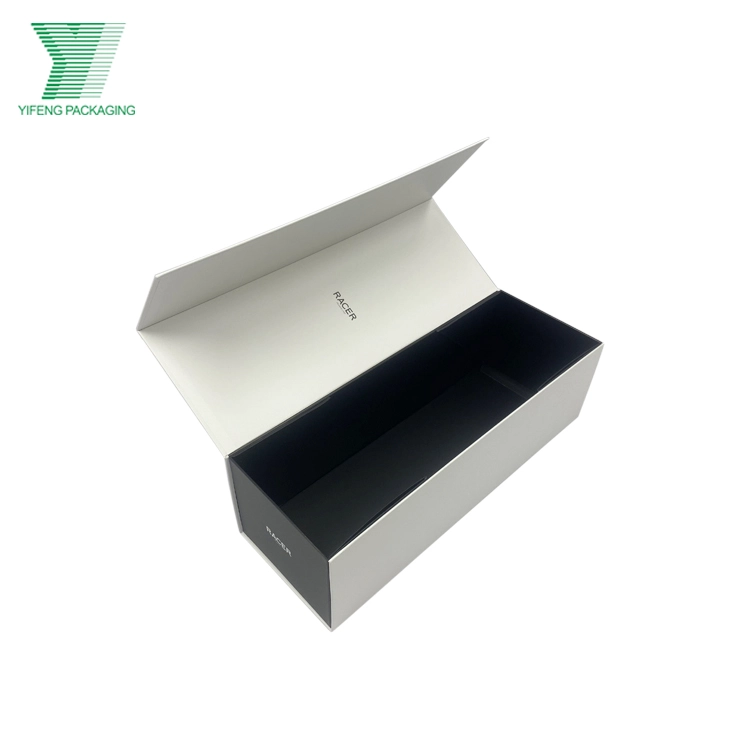
🎀 Premium foldable rigid box tailored for wig brands, hair extensions, and salon packaging.
-
🎁 Space-saving flat-pack structure paired with smooth magnetic closure and elegant interior.
-
👩 Keeps wigs in good shape, suitable for retail display, shipping, and high-end hair product gifting.
-
-
-
-

-
-
-
-
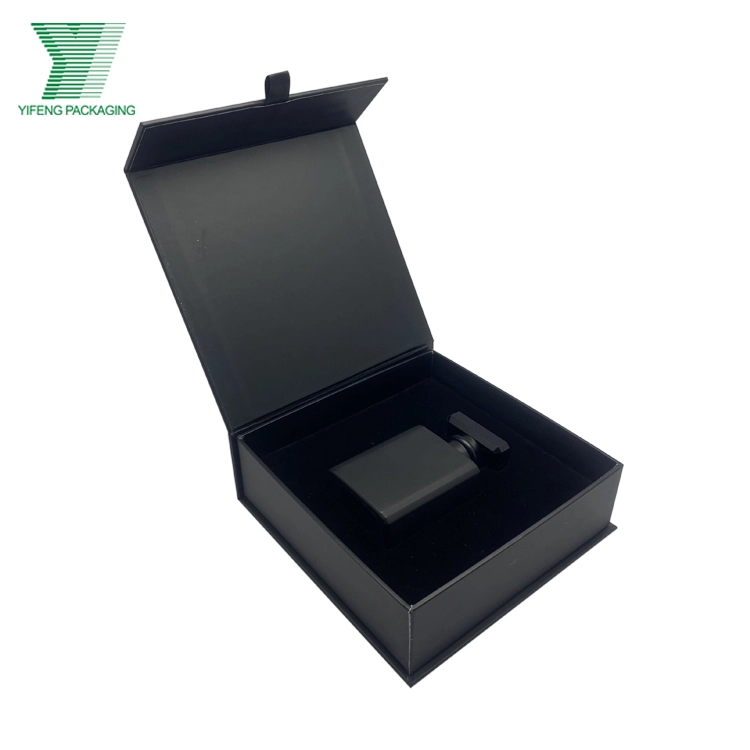
🎀 Exquisite high-end rigid magnetic boxes specially customized for premium fragrance and cosmetic brands.
-
🎁 Premium rigid cardboard paired with smooth magnetic closure for a luxurious unboxing experience.
-
👧 Perfect for designer perfumes and limited-edition scent sets to enhance brand grade and leave deep impressions.
-
-
-
Contact
Email: marketing@yfpackaging.com
Telephone: +86 020 3435 4688
Phone: +86 17818581665
Address: Room 1910, Zhongguang Building, No. 100, Middle of Jiangnan
Avenue, Haizhu District, Guangzhou City, Guangdong Province, China


Instagram
Youtube
TikTok