
What Payment Terms Are Standard When Ordering From a China Packaging Factory?
- How Payment Structures Actually Work With Chinese Packaging Suppliers
- The 30/70 T/T Split: The Industry Default
- Letter of Credit (L/C): The High-Value Order Safeguard
- Alibaba Trade Assurance and Platform Escrow
- Negotiating Payment Terms Based on Order Volume and Relationship Stage
- First Orders: Expect Less Flexibility, Plan Accordingly
- Repeat Orders: Building Toward Open Account or Net Terms
- Currency, Transfer Fees, and Hidden Costs
- Payment Term Comparison: A Practical Reference Guide
- Why Your Choice of Supplier Determines Your Payment Experience
- Transparency as a Trust Signal
- How Yifeng Packaging Structures Its Client Relationships
- Frequently Asked Questions
When you source custom packaging boxes from a China-based factory, one of the first hard conversations you will have is about money — specifically, how much you pay upfront, when you pay the balance, and what protections you have if something goes wrong. After more than 15 years of working directly with international buyers and Chinese manufacturers, I can tell you that payment terms are not just a financial formality. They are a direct reflection of trust, risk tolerance, and the maturity of your supplier relationship. Getting them wrong can freeze your cash flow, delay your launch, or leave you holding a container of unusable boxes with no legal recourse. Getting them right means predictable costs, on-time delivery, and a partnership that scales with Yifeng Packaging.
The global custom packaging industry is enormous. According to Statista's packaging industry overview, the global packaging market is valued at well over $900 billion USD, with China remaining the world's dominant manufacturing hub for paper-based and rigid packaging. That scale means there is no single universal payment standard — but there are well-established norms that experienced buyers know how to navigate. I am going to walk you through every major payment structure I have encountered, explain the risk profile of each, and show you how to negotiate terms that protect your business without alienating a quality supplier.
How Payment Structures Actually Work With Chinese Packaging Suppliers
The 30/70 T/T Split: The Industry Default
Telegraphic Transfer, universally abbreviated as T/T, is the backbone of almost every transaction I have seen between Western buyers and Chinese custom packaging manufacturers. The most common structure is a 30% deposit paid before production begins, with the remaining 70% paid after the buyer receives and approves pre-shipment photos or inspection reports — but critically, before the goods leave the factory or port. This structure exists because it balances risk on both sides. The factory needs enough capital to purchase raw materials like FSC-certified boards, specialty inks, and lamination films before a single box is cut. The buyer, on the other hand, does not want to release full payment until they have verified the production quality.
In my experience, the 30/70 split is the starting point for most first-time orders. However, I have seen factories push for a 40/60 or even 50/50 split when the order involves highly customized tooling, embossing dies, or specialty rigid board configurations. This is not unreasonable. Custom tooling for a magnetic closure jewelry box or a foil-stamped wine box represents a real upfront cost for the manufacturer. If you walk away after they have cut your dies, they cannot easily repurpose that investment.
Letter of Credit (L/C): The High-Value Order Safeguard
For orders exceeding $50,000 USD — which is not uncommon for large-scale runs of custom cardboard boxes or High Quality gift packaging — a Letter of Credit issued through a reputable bank becomes a serious option worth considering. An L/C is a binding commitment from your bank to pay the supplier once they present a specific set of shipping documents that prove the goods were produced and shipped according to the agreed terms. The International Chamber of Commerce Incoterms framework is the standard reference point for defining exactly what those documentary conditions look like.
The honest reality is that L/C transactions add administrative complexity and bank fees on both sides. Many small-to-mid-size Chinese factories actually prefer T/T because L/C processing can take weeks and requires meticulous documentation. I typically recommend L/C only when you are dealing with a new supplier on a very large order, or when your corporate treasury policy mandates it. For repeat orders with a trusted custom packaging manufacturer China partner, T/T is almost always faster and more efficient.
Alibaba Trade Assurance and Platform Escrow
If you are sourcing through Alibaba or a similar B2B platform, Trade Assurance is a legitimate middle ground that I have seen work well for buyers who are still building confidence in a new supplier. Under this model, your payment is held in escrow by the platform and released to the factory only after you confirm receipt and acceptance of the goods. The protection covers scenarios like non-shipment, significant quality deviations, and late delivery. According to Alibaba's Trade Assurance program documentation, buyers can file disputes and receive refunds if the supplier fails to meet the agreed order specifications.
The limitation I always point out to clients is that Trade Assurance works best for standardized products. When you are ordering highly customized paper bags, bespoke food packaging boxes with food-safe ink requirements, or multi-component rigid gift sets, the dispute resolution process can become subjective. Quality deviation is easy to prove when a product is off-spec by a measurable dimension. It is much harder to prove when the issue is a subtle color mismatch on a Pantone-matched luxury box. This is why I always recommend getting a detailed, written specification sheet signed off by both parties before any payment is made, regardless of the payment method.
Negotiating Payment Terms Based on Order Volume and Relationship Stage
First Orders: Expect Less Flexibility, Plan Accordingly
On your very first order with any custom packaging manufacturer in China, you should expect the factory to hold firm on standard terms. They do not know you. They have no credit history with you, no track record of on-time payment, and no assurance that you will not dispute the shipment arbitrarily. A 30% or even 40% deposit is entirely reasonable from their perspective, and I advise my clients to accept it without resistance on the first order. Your goal on order one is not to win on payment terms — it is to prove you are a reliable buyer and to evaluate whether this factory deserves your long-term business.
What you can and should negotiate on a first order is the pre-shipment inspection clause. Insist on receiving high-resolution photos or a video walkthrough of the finished goods before you release the balance payment. Better yet, engage a third-party inspection service. Organizations like SGS Group, one of the world's leading inspection and certification companies, offer pre-shipment quality checks in China that give you independent verification before funds are transferred.
Repeat Orders: Building Toward Open Account or Net Terms
After three to five successful orders with the same supplier, the dynamic shifts. You have demonstrated reliability, and a good factory will recognize that retaining your business is worth some financial accommodation. This is the stage where I have successfully negotiated terms like 20% deposit with 80% paid after delivery and inspection, or even Net 30 open account terms for buyers with very high order frequencies. These arrangements are still relatively rare in China's packaging industry compared to domestic Western supplier relationships, but they are achievable with the right supplier and a strong track record.
The key lever in these negotiations is order volume consistency. If you are placing orders every six to eight weeks for custom paper tubes, custom jewelry boxes, or seasonal gift packaging, you represent predictable revenue for the factory. Use that leverage. A factory running at 80% capacity will make meaningful concessions on payment terms to secure a buyer who fills their schedule reliably.
Currency, Transfer Fees, and Hidden Costs
One detail that catches many first-time importers off guard is the total cost of international wire transfers. Most Chinese factories quote in USD, and T/T transfers from US, European, or Australian banks to Chinese bank accounts typically carry fees on both ends. Your bank may charge $25–$50 per outgoing wire, and the receiving bank in China often deducts a small percentage as well. Over a year of frequent orders, these fees accumulate. I always recommend asking your factory for their full banking details upfront, confirming whether they accept payment in USD or RMB, and checking whether your bank offers preferential rates for international business transfers.
Payment Term Comparison: A Practical Reference Guide
| Payment Method | Typical Structure | Buyer Risk Level | Supplier Risk Level | Best Use Case |
|---|---|---|---|---|
| T/T (30/70) | 30% deposit, 70% before shipment | Medium | Low | Standard first and repeat orders |
| T/T (50/50) | 50% deposit, 50% before shipment | Medium-High | Very Low | High-customization orders with tooling costs |
| Letter of Credit (L/C) | Bank-guaranteed payment on document presentation | Low | Low-Medium | Large orders over $50,000 USD with new suppliers |
| Alibaba Trade Assurance | Escrow held by platform until buyer confirms receipt | Low-Medium | Medium | New supplier relationships via B2B platforms |
| Open Account / Net 30 | Full payment 30 days after delivery | Very Low | High | Established long-term relationships with high volume |
| PayPal / Online Payment | Full payment upfront via platform | High | Very Low | Sample orders or very small MOQ transactions |
Why Your Choice of Supplier Determines Your Payment Experience
Transparency as a Trust Signal
Over the years, I have learned that the factories most willing to discuss payment terms openly — explaining their rationale, offering flexible structures for proven buyers, and providing clear documentation at every stage — are almost always the ones that deliver the best product quality. Payment term transparency is a proxy for operational maturity. A factory that cannot clearly explain why they need a 40% deposit on a tooling-heavy order, or that refuses to provide pre-shipment inspection photos, is a factory that has something to hide or simply lacks the professional infrastructure to manage international B2B relationships properly.
This is precisely why I consistently recommend working with established, verifiable manufacturers rather than chasing the lowest price on an unvetted platform listing. The savings you think you are getting on a 10% cheaper quote often evaporate when you factor in rework costs, delayed shipments, and the time your team spends managing disputes.
How Yifeng Packaging Structures Its Client Relationships
When I work with brands that are evaluating custom packaging manufacturer China options, I frequently point them toward Yifeng Packaging as a benchmark for how a professional supplier should operate. Established in 1990, Guangzhou Yifeng Printing & Packaging Co., Ltd. has over 30 years of documented industrial excellence in High Quality paper packaging — a track record that immediately reduces the risk profile for any buyer considering a new supplier relationship.
What sets Yifeng apart in the context of payment and procurement is their operational transparency. Operating two dedicated facilities — the Yifeng Multi-Color Printing Factory and the Yifeng Paper Handicraft Factory — they have the production scale and process documentation to support structured payment milestones with genuine confidence. Every project follows a 12-step Standard Operating Procedure, from CTP typesetting through Pantone color matching, soft-touch lamination, and final quality inspection. This means that when a buyer releases a balance payment based on pre-shipment approval, they are approving a product that has passed through a rigorous, documented process — not a rushed final-stage check.
Yifeng provides OEM and ODM services across a comprehensive product range including custom paper boxes, custom gift boxes, custom paper tubes, custom jewelry boxes, custom cardboard boxes, custom food packaging boxes, and custom paper bags. Their use of FSC-certified materials, food-safe inks, and rigid boards ranging from 1200gsm to 1800gsm means that the specifications you agree to in your purchase order are the specifications you receive — which is the single most important factor in making pre-shipment payment releases feel safe rather than stressful.
For buyers sourcing luxury wine packaging, magnetic closure jewelry boxes, or food-grade chocolate packaging, Yifeng's dual-factory setup also means that complex multi-component orders — the kind that often require phased production and therefore benefit from milestone-based payment structures — are managed within a single, accountable supply chain rather than across multiple subcontractors. That consolidation is a genuine financial risk reducer that experienced procurement managers will immediately appreciate. You can explore their full range of packaging solutions to understand the breadth of what structured, professional manufacturing looks like in practice.
If you are ready to discuss your specific packaging requirements and payment structure preferences, the Yifeng team is reachable directly at marketing@yfpackaging.com. In my experience, the quality of a supplier's initial response to a detailed inquiry tells you almost everything you need to know about how they will handle your order from deposit to delivery.
The ISO 9001 quality management framework that underpins serious manufacturing operations like Yifeng's is not just about product quality — it is about process predictability. And process predictability is exactly what makes payment terms feel like a formality rather than a gamble.
Frequently Asked Questions
What is the most common payment term when ordering from a China packaging factory?
The most widely used payment structure is a 30/70 T/T (Telegraphic Transfer) split — 30% deposit paid before production begins and 70% paid after pre-shipment inspection approval but before the goods leave the factory or port. This is the industry default for most custom packaging orders.
Is it safe to pay a 30% or 40% deposit to a Chinese packaging manufacturer I have never worked with before?
It carries moderate risk, but it is standard practice. To mitigate that risk, always get a detailed written specification sheet signed before payment, request pre-shipment photos or video of finished goods, and consider hiring a third-party inspection service like SGS to verify quality before releasing the balance payment.
When should I use a Letter of Credit instead of T/T for a packaging order?
A Letter of Credit (L/C) is most appropriate for large orders exceeding $50,000 USD, especially with a new supplier you have not worked with before. It provides bank-level payment security tied to specific shipping documents, but adds administrative complexity and fees on both sides. For repeat orders with trusted suppliers, T/T is generally faster and more practical.
Can I negotiate better payment terms after placing several orders with the same factory?
Yes. After three to five successful orders, you have established a track record as a reliable buyer. At this stage, many factories will consider reducing the deposit percentage, extending payment deadlines, or in some cases offering Net 30 open account terms — particularly if you place orders consistently and at meaningful volume.
Does Alibaba Trade Assurance provide enough protection for custom packaging orders?
Trade Assurance provides useful protection for standardized products, but it has limitations for highly customized packaging. Disputes over subjective quality issues — such as subtle color mismatches on Pantone-matched luxury boxes — can be difficult to resolve through the platform. Always supplement Trade Assurance with a detailed written specification agreement and pre-shipment inspection documentation.
Are there hidden costs I should know about when making international wire transfers to China?
Yes. Most Chinese factories quote in USD, and T/T wire transfers typically carry fees on both the sending and receiving ends. Your bank may charge $25–$50 per outgoing wire, and the receiving Chinese bank may deduct a small percentage as well. Confirm full banking details upfront, clarify whether payment is accepted in USD or RMB, and check if your bank offers preferential rates for international business transfers.
What payment terms does Yifeng Packaging offer for new international buyers?
Yifeng Packaging follows industry-standard T/T payment structures with transparent milestone documentation backed by their 12-step SOP process. Their dual-factory setup and 30-plus years of operational history provide the process predictability that makes payment milestones straightforward and verifiable. Contact them directly at marketing@yfpackaging.com to discuss terms specific to your order requirements.

-
-
-
-
-
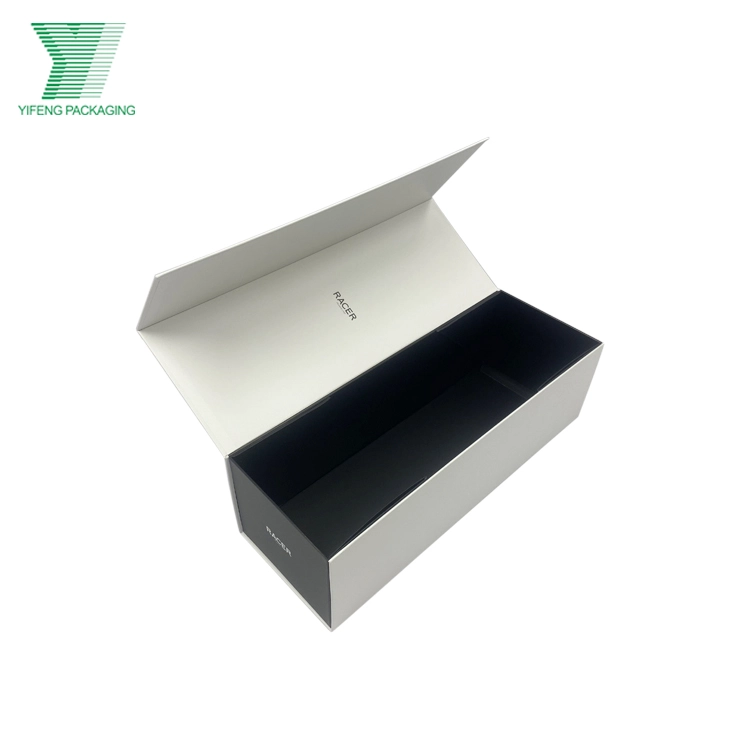
🎀 Premium foldable rigid box tailored for wig brands, hair extensions, and salon packaging.
-
🎁 Space-saving flat-pack structure paired with smooth magnetic closure and elegant interior.
-
👩 Keeps wigs in good shape, suitable for retail display, shipping, and high-end hair product gifting.
-
-
-
-

-
-
-
-
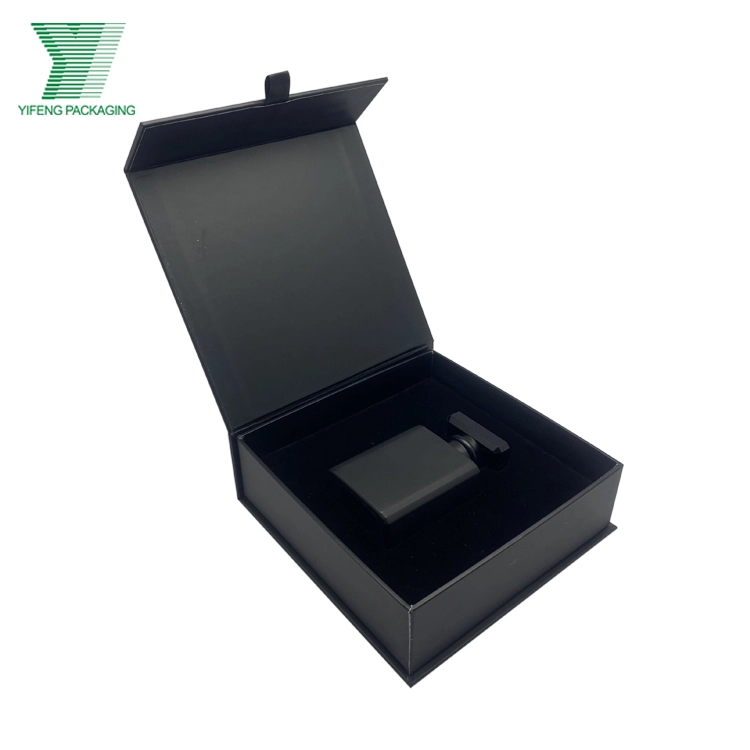
🎀 Exquisite high-end rigid magnetic boxes specially customized for premium fragrance and cosmetic brands.
-
🎁 Premium rigid cardboard paired with smooth magnetic closure for a luxurious unboxing experience.
-
👧 Perfect for designer perfumes and limited-edition scent sets to enhance brand grade and leave deep impressions.
-
-
-
Contact
Email: marketing@yfpackaging.com
Telephone: +86 020 3435 4688
Phone: +86 17818581665
Address: Room 1910, Zhongguang Building, No. 100, Middle of Jiangnan
Avenue, Haizhu District, Guangzhou City, Guangdong Province, China


Instagram
Youtube
TikTok