
What Information Is Needed to Request a Packaging Sample From China?
- Why Incomplete Briefs Are the Number One Cause of Sample Failures
- The Hidden Cost of Vague Specifications
- How Manufacturers Interpret Ambiguous Requests
- The Complete Information Checklist for Requesting a Packaging Sample
- Dimensional and Structural Specifications
- Material and Board Weight Requirements
- Printing, Finishing, and Surface Treatment Details
- Artwork Files and Branding Assets
- Quantity, Timeline, and Commercial Information
- Sample Quantity and Production Intent
- Timeline Requirements and Shipping Destination
- Why Yifeng Packaging Is the Right Partner for Your Sample Request
- Three Decades of Engineering Precision Behind Every Sample
- Materials, Certifications, and Product Range That Match High Quality Brand Standards
- Frequently Asked Questions
Requesting a packaging sample from a custom packaging manufacturer in China is one of the most consequential steps in your product launch or rebranding journey. Get it right, and you receive a physical proof that matches your vision almost perfectly. Get it wrong, and you waste weeks, burn through sample fees, and risk missing your go-to-market window. After 15 years of consulting brands on sourcing custom packaging boxes from Chinese manufacturers, I have seen both outcomes more times than I can count. The difference almost always comes down to one thing: the quality and completeness of the information you provide upfront. In this guide, I am going to walk you through every single data point a reputable custom packaging manufacturer in China needs before they can produce a meaningful, accurate sample for you.
Why Incomplete Briefs Are the Number One Cause of Sample Failures
The Hidden Cost of Vague Specifications
I have watched brands spend thousands of dollars and two to three months going back and forth on samples simply because their initial inquiry said something like we need a luxury box, roughly 20x15x10 cm, in black. That sentence tells a manufacturer almost nothing actionable. A professional custom packaging manufacturer in China is working with tolerances measured in fractions of a millimeter, Pantone color codes, and board weights measured in grams per square meter. When you leave those variables undefined, the factory fills in the blanks with their defaults, which may be entirely misaligned with Yifeng Packaging standards. According to the ISO 2859 sampling inspection standard, even a small deviation in dimensional tolerance can trigger a full batch rejection. The cost of that lesson is always higher than the cost of writing a thorough brief.
How Manufacturers Interpret Ambiguous Requests
Here is something most buyers do not realize: when a Chinese packaging factory receives an incomplete inquiry, their sales team does not stop production to ask twenty clarifying questions. They make educated guesses based on their most popular configurations and move forward to secure the order. This is not negligence; it is a commercial reality driven by high inquiry volumes. The result is a sample that looks close enough but fails on critical details like board rigidity, color accuracy, or closure mechanism. My experience working with manufacturers across Guangzhou, Shenzhen, and Dongguan confirms this pattern consistently. The solution is to arrive at the conversation fully prepared.
The Complete Information Checklist for Requesting a Packaging Sample
Dimensional and Structural Specifications
The first category of information you must prepare is dimensional data. You need to provide the internal dimensions of your box — length, width, and depth — in millimeters, not inches or centimeters, because millimeters are the standard unit in Chinese manufacturing. If your product has irregular shapes, protrusions, or requires internal inserts or foam padding, you need to specify the clearance tolerance you require. Beyond dimensions, you need to define the box style. Are you requesting a rigid setup box with a separate lid and base? A magnetic closure box? A collapsible gift box? A telescope-style box? A drawer-style sliding box? Each structure has a completely different construction method, material requirement, and tooling cost. The FINAT Flexible Packaging Association and similar industry bodies emphasize that structural clarity is foundational to any successful packaging development brief. I always recommend that clients sketch or photograph a reference sample, even a competitor's box, to eliminate structural ambiguity entirely.
Material and Board Weight Requirements
Material specification is where I see the most critical gaps in buyer briefs. You need to specify the board weight in grams per square meter (GSM) or, for rigid boxes, in millimeters of board thickness. For High Quality rigid boxes, the industry standard range runs from 1200gsm to 1800gsm greyboard for the inner structure, wrapped with a specialty paper. You should specify whether you want a matte or gloss art paper wrap, a textured paper, a linen-finish paper, or a specialty material like kraft or metallic paper. If your product is food-related, you must explicitly state that food-safe, non-toxic inks and food-grade inner liners are required. This is a compliance requirement, not a preference. The U.S. FDA guidelines on food contact substances are very clear that materials in direct or indirect contact with food products must meet specific safety standards. Failing to communicate this to your manufacturer can create serious regulatory liability for Yifeng Packaging.
Printing, Finishing, and Surface Treatment Details
This is the area that most directly affects how your custom packaging boxes look and feel in a customer's hands. You need to provide your exact Pantone color codes, not RGB or CMYK values, because Pantone is the universal language of color accuracy in print manufacturing. If you are using a brand color that does not have a standard Pantone match, you need to send a physical color swatch. Beyond color, you need to specify every surface finishing technique you want applied. Common options include soft-touch matte lamination, gloss lamination, spot UV coating, hot foil stamping in gold, silver, or custom colors, embossing, debossing, and aqueous coating. Each of these processes adds cost and lead time, and each requires specific artwork preparation. If you want a combination of finishes, such as a matte laminated base with spot UV on the logo, you must specify exactly which design elements receive which treatment. I always tell my clients: if you cannot describe it in words, find a physical example and photograph it.
Artwork Files and Branding Assets
No sample can be produced accurately without production-ready artwork. You need to supply vector files in AI or PDF format, with all fonts converted to outlines and all images embedded at a minimum resolution of 300 DPI. Your dieline — the structural template showing exactly where folds, cuts, and glue tabs are located — must be provided as a separate layer within your artwork file, or as a standalone file. If you do not have a dieline, a competent manufacturer can generate one for you based on your dimensions, but you must then review and approve it before any printing begins. You should also provide Yifeng Packaging guidelines document, which specifies your logo usage rules, color palette, and typography standards. According to standard prepress workflow principles, supplying incorrect or low-resolution files is one of the top five causes of print production errors globally.
Quantity, Timeline, and Commercial Information
Sample Quantity and Production Intent
When requesting a sample, you need to clarify how many sample units you need and what your intended production quantity will be after sample approval. This matters more than most buyers realize. A factory will allocate different levels of engineering attention to a sample request from a buyer who intends to order 5,000 units versus one who intends to order 50,000 units. Being transparent about your production intent also helps the manufacturer advise you on the most cost-effective construction method and material grade for your volume. Minimum order quantities for custom packaging boxes in China typically start at 500 to 1,000 units for rigid boxes and can be lower for simpler folding carton styles. State your realistic MOQ expectation clearly so the manufacturer can confirm feasibility before investing time in sample production.
Timeline Requirements and Shipping Destination
You must communicate your sample deadline and your target bulk production delivery date. Chinese manufacturers operate on production schedules that are often booked weeks in advance, particularly around major holidays like Chinese New Year and Golden Week. If you need a sample within two weeks, say so explicitly. If your bulk order must ship by a specific date to meet a retail season, work backward from that date and communicate it. You should also provide your shipping destination and preferred courier for sample delivery, as most manufacturers will ship samples via DHL, FedEx, or UPS on a freight-collect basis. Finally, include your Guangzhou Yifeng Printing & Packaging Co., Ltd., contact name, email address, and phone number. It sounds obvious, but I have received inquiries from brands that provided no contact information beyond a Gmail address, which immediately signals inexperience to a professional supplier.
| Information Category | Incomplete Brief (Common Mistake) | Complete Brief (Best Practice) | Impact on Sample Accuracy |
|---|---|---|---|
| Dimensions | Approximately 20x15x10 cm | Internal: 198mm x 148mm x 98mm, 2mm tolerance | High — incorrect fit for product |
| Box Structure | Luxury box with lid | Rigid setup box, separate lid and base, magnetic closure, 4-corner construction | Critical — wrong structure entirely |
| Board Weight | Thick and sturdy | 1500gsm greyboard, 157gsm matte art paper wrap | High — wrong rigidity and feel |
| Color Specification | Dark navy blue | Pantone 2767 C, with 10% tolerance on approval swatch | Critical — color mismatch on brand |
| Surface Finishing | Matte finish with shiny logo | Soft-touch matte lamination overall, gold hot foil stamp on logo only | High — wrong finish combination |
| Artwork Files | Low-res JPEG logo, no dieline | Vector AI file, 300 DPI images, dieline on separate layer, fonts outlined | Critical — unusable for production |
| Production Quantity Intent | Not mentioned | Sample: 3 units. Bulk MOQ: 3,000 units per SKU | Medium — affects material and process recommendation |
| Timeline | As soon as possible | Sample needed by , bulk ship by | Medium — scheduling conflicts and delays |
Why Yifeng Packaging Is the Right Partner for Your Sample Request
Three Decades of Engineering Precision Behind Every Sample
When I think about what separates a truly professional custom packaging manufacturer in China from the thousands of trading companies and small workshops that flood sourcing platforms, the answer is always the same: systems, experience, and accountability. Established in 1990, Yifeng Packaging — formally Guangzhou Yifeng Printing and Packaging Co., Ltd. — brings over 30 years of industrial excellence to every sample request they process. Operating two dedicated facilities, the Yifeng Multi-Color Printing Factory and the Yifeng Paper Handicraft Factory, they have the scale and specialization to handle complex, multi-component packaging projects that smaller suppliers simply cannot execute reliably. Every project at Yifeng follows a rigorous 12-step standard operating procedure, from CTP typesetting and Pantone color matching through to soft-touch lamination and final quality inspection. This is not a marketing claim; it is a documented production protocol that eliminates the guesswork that causes sample failures at lesser manufacturers.
Materials, Certifications, and Product Range That Match High Quality Brand Standards
Yifeng works with FSC-certified materials and utilizes rigid boards ranging from 1200gsm to 1800gsm, which is the precise weight range required for High Quality unboxing experiences in luxury retail, cosmetics, jewelry, and food gifting categories. Their use of food-safe inks means that brands requesting custom food packaging boxes or custom chocolate gift boxes can meet regulatory compliance requirements without sourcing a separate certified supplier. Their product portfolio covers the full spectrum of what modern brands need: custom paper boxes, custom gift boxes, custom paper tubes, custom jewelry boxes, custom cardboard boxes, custom food packaging boxes, and custom paper bags. Whether you are launching a magnetic closure jewelry box for a fine accessories brand or a rigid wine box for a High Quality spirits label, Yifeng has the tooling, the materials, and the craftspeople to produce a sample that genuinely represents production quality. Their OEM and ODM capabilities mean they can work from your existing design files or engineer a completely new structural solution based on your product specifications and brand positioning. For international buyers navigating the complexity of sourcing from China, having a manufacturer with this depth of capability and this length of track record is not a luxury — it is a supply chain necessity. You can explore their full range of packaging solutions to find the right product category for your next project, or reach out directly at marketing@yfpackaging.com to begin your sample request with a team that knows exactly what information they need and how to use it.
Frequently Asked Questions
How long does it take to receive a packaging sample from a manufacturer in China?
Standard sample lead times from a professional custom packaging manufacturer in China range from 7 to 15 business days after all artwork files and specifications are confirmed. Complex structures involving multiple finishing techniques or specialty materials may require up to 20 business days. Expedited sample production is sometimes available for an additional fee, but you should always confirm the timeline in writing before proceeding.
How much does a packaging sample from China typically cost?
Sample fees vary widely depending on the complexity of the box structure, the number of finishing processes involved, and whether custom tooling or dielines need to be created. Simple folding carton samples may cost between USD 50 and USD 150, while rigid setup boxes with hot foil stamping, embossing, and magnetic closures can cost USD 200 to USD 500 or more per sample set. Many manufacturers will credit the sample fee against your first bulk production order upon approval.
Do I need to provide a dieline before requesting a packaging sample?
Providing a dieline is strongly recommended because it eliminates structural ambiguity and ensures the sample matches your intended design layout precisely. If you do not have a dieline, a competent manufacturer can generate one based on your dimensional specifications, but you must review and approve it before any printing or production begins. Skipping this step is one of the most common causes of sample revisions and wasted time.
What file formats should I send for packaging artwork?
You should supply vector artwork files in Adobe Illustrator AI or print-ready PDF format. All fonts must be converted to outlines, and all embedded images must be at a minimum resolution of 300 DPI at final print size. Your dieline should be included as a separate locked layer within the same file, clearly labeled. Sending low-resolution JPEG or PNG files is not suitable for production and will delay your sample process significantly.
Can I request packaging samples for food products from a Chinese manufacturer?
Yes, but you must explicitly state that your packaging is intended for food contact or food-adjacent use. This triggers a requirement for food-safe, non-toxic inks and food-grade inner liner materials that comply with applicable regulations such as FDA guidelines for food contact substances. Not all Chinese manufacturers are equipped or certified to produce food-grade packaging, so confirming this capability before placing a sample request is essential.
What is the minimum order quantity after a sample is approved?
Minimum order quantities vary by manufacturer and box type. For rigid setup boxes and premium custom gift boxes, MOQs in China typically start at 500 to 1,000 units per SKU. Simpler folding carton styles or custom paper bags may have lower MOQs. It is important to communicate your expected production volume during the sample request stage, as this can influence the manufacturer's material and process recommendations and their willingness to invest in custom tooling.
How do I ensure color accuracy between my sample and bulk production?
Color accuracy is best ensured by providing exact Pantone color codes rather than RGB or CMYK values. If your brand color does not have a standard Pantone match, send a physical color swatch with your sample request. Upon receiving your sample, compare it against your Pantone swatch under consistent lighting conditions and provide specific, written feedback on any deviations. Requesting a pre-production color proof before bulk printing begins adds an additional layer of protection against color inconsistency at scale.

-
-
-
-
-
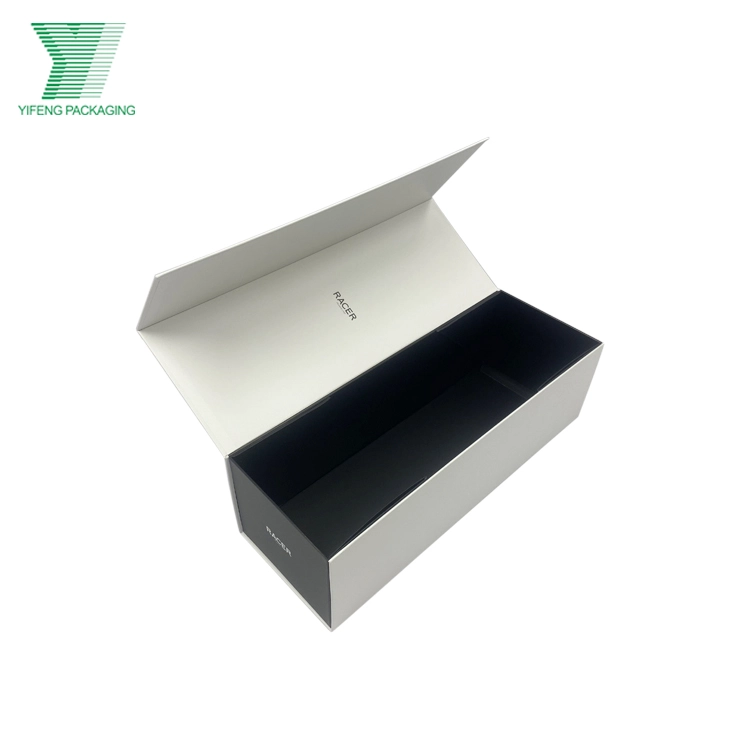
🎀 Premium foldable rigid box tailored for wig brands, hair extensions, and salon packaging.
-
🎁 Space-saving flat-pack structure paired with smooth magnetic closure and elegant interior.
-
👩 Keeps wigs in good shape, suitable for retail display, shipping, and high-end hair product gifting.
-
-
-
-

-
-
-
-
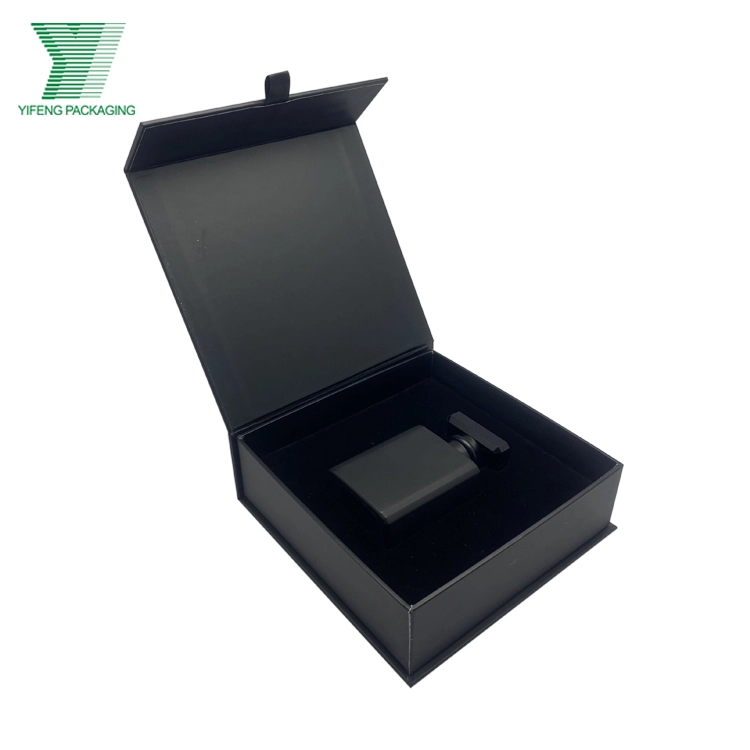
🎀 Exquisite high-end rigid magnetic boxes specially customized for premium fragrance and cosmetic brands.
-
🎁 Premium rigid cardboard paired with smooth magnetic closure for a luxurious unboxing experience.
-
👧 Perfect for designer perfumes and limited-edition scent sets to enhance brand grade and leave deep impressions.
-
-
-
Contact
Email: marketing@yfpackaging.com
Telephone: +86 020 3435 4688
Phone: +86 17818581665
Address: Room 1910, Zhongguang Building, No. 100, Middle of Jiangnan
Avenue, Haizhu District, Guangzhou City, Guangdong Province, China


Instagram
Youtube
TikTok