
What Finishing Options Suit Luxury vs Everyday Retail Packaging?
- Understanding the Role of Surface Finishing in Packaging Strategy
- Why Finishing Defines Brand Tier More Than Structure Alone
- The Psychological Impact of Texture and Sheen on Consumer Behavior
- Matching Finish Durability to Distribution Channel Requirements
- A Practical Breakdown of Finishing Techniques by Application Tier
- High Quality Finishes Reserved for Luxury Custom Packaging Boxes
- Cost-Effective Finishes for Everyday Retail Custom Cardboard Boxes
- The Middle Ground: Accessible High Quality Finishes for Masstige Brands
- Finishing Options Comparison: Luxury vs Everyday Retail Packaging
- Why Partnering with the Right Custom Packaging Manufacturer in China Changes Everything
- How Yifeng Packaging Delivers Finishing Excellence Across Every Tier
- The 12-Step SOP That Protects Yifeng Packaging at Every Stage
- Food-Safe Inks, Sustainable Materials, and the Compliance Advantage
- Frequently Asked Questions
Choosing the right finishing option for your packaging is one of the most consequential decisions a brand manager or procurement specialist will make. Finishing is not merely cosmetic—it directly communicates brand positioning, influences tactile perception at the point of sale, and determines the durability of your packaging solutions across the entire supply chain. In my 15 years working alongside brands ranging from boutique jewelry labels to mass-market FMCG companies, I have seen a single finishing upgrade transform a product's shelf performance and, conversely, watched over-engineered finishes erode margins on everyday retail lines. The core question is always the same: does this finish serve the customer's expectation and the brand's economics? Luxury packaging demands finishes that trigger an emotional response before the product is even opened. Everyday retail packaging demands finishes that protect, inform, and attract without inflating unit cost. Understanding where each technique belongs—and why—is the foundation of intelligent packaging procurement.
Understanding the Role of Surface Finishing in Packaging Strategy
Why Finishing Defines Brand Tier More Than Structure Alone
I have reviewed thousands of packaging briefs over the years, and the most common misconception I encounter is that structural design carries the brand message on its own. It does not. A rigid box constructed from 1600gsm board communicates solidity, but it is the finishing layer—the soft-touch lamination, the spot UV, the blind emboss—that tells the consumer whether this is a High Quality experience or a functional container. According to research published by the Packaging Machinery Manufacturers Institute, tactile differentiation at the retail shelf increases purchase intent by up to 30% in High Quality categories. That statistic does not surprise me at all. When I hold a box with soft-touch lamination and a debossed logo, my brain registers craftsmanship before my eyes fully process the graphics. That subconscious signal is what luxury brands pay for.
For everyday retail, the calculus is different. The finish must survive warehouse stacking, retail handling, and consumer use without adding significant cost per unit. Gloss or matte aqueous coatings, standard BOPP lamination, and flood UV varnish are workhorses that protect print quality and resist scuffing at a fraction of the cost of High Quality alternatives. The strategic error I see most often is brands applying luxury finishes to everyday SKUs in an attempt to elevate perception, only to discover that the cost increase is not recoverable at the retail price point.
The Psychological Impact of Texture and Sheen on Consumer Behavior
Neuroscience and packaging design intersect in ways that are deeply practical for brand owners. The Journal of Retailing and Consumer Services has documented that matte finishes are consistently associated with sophistication and exclusivity, while high-gloss finishes signal energy, accessibility, and value. This is not arbitrary—it reflects decades of market conditioning. Luxury perfume houses, high-end spirits brands, and High Quality jewelry retailers have trained consumers to associate matte and soft-touch surfaces with quality. Mass-market confectionery, household goods, and budget personal care brands have reinforced gloss as the language of affordability and vibrancy.
In my own experience managing packaging development for international clients, I have found that a matte lamination with selective spot UV—where the brand logo or a key graphic element catches light against a flat background—creates the most powerful shelf contrast in the luxury tier. It costs more than a full-gloss lamination, but the perceived value uplift justifies the investment for products priced above a certain threshold. For everyday retail, I recommend a satin or silk lamination as a middle ground: it looks slightly more refined than standard gloss but costs only marginally more and dramatically reduces fingerprint visibility on dark-colored packaging.
Matching Finish Durability to Distribution Channel Requirements
One dimension that procurement teams frequently underestimate is the mechanical stress a finish must endure between the factory floor and the end consumer. Luxury goods are often shipped in individual mailers or gift-wrapped by retail staff, meaning the outer packaging sees relatively gentle handling. Everyday retail products move through automated fulfillment centers, stack six pallets high, and travel thousands of miles before reaching a shelf. A soft-touch lamination that looks exquisite in a showroom can delaminate under the compression and humidity fluctuations of a container shipment if the lamination adhesive is not properly specified. I always advise clients to request a cross-hatch adhesion test and a humidity cycling test on any laminated sample before approving production. This is a standard quality checkpoint that any reputable custom packaging manufacturer in China should be able to accommodate without hesitation.
A Practical Breakdown of Finishing Techniques by Application Tier
High Quality Finishes Reserved for Luxury Custom Packaging Boxes
Let me walk through the finishes I consider non-negotiable for genuine luxury positioning. Soft-touch lamination—sometimes called velvet lamination—applies a micro-texture film that creates a suede-like feel. It is the single most requested finish among my luxury clients because it delivers immediate tactile differentiation. Hot foil stamping, whether in gold, silver, rose gold, or holographic variants, adds a metallic brilliance that no printed ink can replicate. According to the FINAT International Label and Narrow Web Industry Association, foil stamping demand in High Quality packaging has grown at a compound annual rate of approximately 6% over the past five years, driven primarily by the spirits, cosmetics, and jewelry sectors.
Blind embossing and debossing—where the substrate itself is pressed into a three-dimensional relief without ink or foil—communicate restraint and confidence. Brands that are secure in their identity use blind emboss because it says: our name alone, in texture, is enough. Spot UV coating applied selectively over a matte base creates a dramatic contrast that draws the eye precisely where the brand wants it. For custom jewelry boxes and custom gift boxes targeting the ultra-High Quality tier, I often recommend combining soft-touch lamination with spot UV and a single foil element. The layering of these three techniques creates a multi-sensory experience that photographs beautifully for e-commerce and feels extraordinary in person.
Cost-Effective Finishes for Everyday Retail Custom Cardboard Boxes
Everyday retail does not mean low quality—it means optimized quality. The finishes I recommend for this tier are chosen for their reliability, speed of production, and cost efficiency. Gloss BOPP lamination is the industry standard for high-volume custom cardboard boxes and custom food packaging boxes. It is moisture-resistant, scuff-resistant, and enhances color vibrancy at a very low cost per square meter. Matte BOPP lamination offers a slightly more refined look at a comparable price point and has become increasingly popular in the natural and organic food category, where brands want to signal authenticity without spending on High Quality finishes.
Aqueous coating—a water-based varnish applied inline during printing—is the most economical protective finish available. It adds gloss or satin sheen, protects against fingerprints and minor abrasion, and is fully recyclable, which matters enormously as brands respond to tightening ISO 14001 environmental management expectations from retail partners and consumers alike. For custom paper bags and custom paper tubes in the everyday retail segment, I typically specify a silk lamination with flood UV varnish. This combination looks clean and professional, survives retail handling, and keeps unit costs within a range that supports healthy margins.
The Middle Ground: Accessible High Quality Finishes for Masstige Brands
Between luxury and everyday retail sits a growing masstige segment—brands that price above the mass market but below true luxury. Think specialty coffee, artisan chocolate, High Quality skincare at accessible price points, and boutique candle brands. For this tier, I recommend what I call the accessible High Quality stack: matte lamination as the base, selective spot UV on the logo or a hero graphic element, and a single emboss or deboss on the brand name. This combination delivers approximately 70% of the luxury sensory impact at roughly 40% of the cost High Quality over standard gloss lamination. It is the sweet spot I return to again and again for clients who need to look High Quality without pricing themselves out of their category.
Finishing Options Comparison: Luxury vs Everyday Retail Packaging
| Finishing Technique | Best Application Tier | Tactile Impact | Cost Index (Relative) | Durability | Common Use Cases |
|---|---|---|---|---|---|
| Soft-Touch (Velvet) Lamination | Luxury | Very High | High (5x base) | Good (indoor/gifting) | Custom jewelry boxes, High Quality gift boxes, cosmetics |
| Hot Foil Stamping | Luxury / Masstige | High (visual) | High (4–6x base) | Excellent | Wine boxes, custom gift boxes, rigid boxes |
| Blind Emboss / Deboss | Luxury | High | Medium-High (3x base) | Excellent | Custom jewelry boxes, brand identity packaging |
| Spot UV Coating | Luxury / Masstige | Medium-High | Medium (2–3x base) | Very Good | Custom paper boxes, gift packaging, cosmetics |
| Matte BOPP Lamination | Masstige / Everyday | Medium | Low-Medium (1.5x base) | Very Good | Custom cardboard boxes, food packaging, retail bags |
| Gloss BOPP Lamination | Everyday Retail | Low-Medium | Low (1.2x base) | Excellent | Custom food packaging boxes, custom paper bags |
| Aqueous Coating (Flood) | Everyday Retail | Low | Very Low (1x base) | Good | Custom cardboard boxes, mailers, retail packaging |
| Satin / Silk Lamination | Masstige / Everyday | Medium | Low-Medium (1.4x base) | Very Good | Custom paper bags, custom paper tubes, mid-range retail |
Why Partnering with the Right Custom Packaging Manufacturer in China Changes Everything
How Yifeng Packaging Delivers Finishing Excellence Across Every Tier
After years of evaluating suppliers across Asia, I can say with confidence that the difference between a good custom packaging manufacturer in China and a great one comes down to three things: material specification discipline, finishing process control, and communication transparency. Established in 1990, Yifeng Packaging—formally Guangzhou Yifeng Printing and Packaging Co., Ltd.—embodies all three. With over 30 years of industrial excellence and two dedicated production facilities, the Yifeng Multi-Color Printing Factory and the Yifeng Paper Handicraft Factory, Yifeng operates at a scale that most boutique suppliers simply cannot match.
What distinguishes Yifeng in my assessment is their material discipline. They work exclusively with FSC-certified substrates and rigid boards ranging from 1200gsm to 1800gsm, which means the structural foundation for any High Quality finish is already correct before a single lamination film is applied. I have seen too many packaging failures that originated not in the finishing process but in an undersized substrate that could not support the mechanical demands of foil stamping or embossing. Yifeng eliminates that risk by engineering the full stack—substrate, print, and finish—as an integrated system rather than a series of disconnected steps.
The 12-Step SOP That Protects Yifeng Packaging at Every Stage
Every project at Yifeng Packaging moves through a rigorous 12-step standard operating procedure. From CTP typesetting and Pantone color matching to soft-touch lamination and final quality inspection, each stage is documented and accountable. For international buyers managing packaging procurement remotely, this process transparency is invaluable. I have personally seen how a structured SOP prevents the color drift, registration errors, and lamination bubbles that plague less disciplined suppliers. Yifeng's use of Pantone printing ensures that a brand's color identity is reproduced with precision across every production run, whether the order is 500 units or 500,000 units.
Their OEM and ODM capabilities mean that whether you arrive with a complete technical specification or a rough creative concept, Yifeng has the engineering depth to translate your vision into production-ready artwork and sampling. For brands sourcing custom paper boxes, custom gift boxes, custom jewelry boxes, custom food packaging boxes, custom paper tubes, custom cardboard boxes, or custom paper bags, this end-to-end capability removes the friction of managing multiple vendors for design, prepress, printing, and finishing. The dual-factory setup also provides supply chain resilience—a factor that has become critically important for international buyers since the supply chain disruptions of recent years.
Food-Safe Inks, Sustainable Materials, and the Compliance Advantage
For brands in the food, beverage, and cosmetics categories, finishing choices are not purely aesthetic—they carry regulatory implications. Yifeng's use of food-safe inks and FSC-certified materials positions their custom food packaging boxes and custom gift boxes for compliance with the increasingly stringent requirements of European and North American retail partners. As sustainability reporting becomes a standard expectation from major retailers, working with a supplier who can provide FSC chain-of-custody documentation is a genuine competitive advantage. I always advise clients to build compliance capability into their supplier selection criteria from the outset, because retrofitting a supply chain for sustainability certification is far more expensive than selecting a compliant partner at the start.
If you are evaluating custom packaging manufacturers in China for a luxury, masstige, or everyday retail packaging program, I encourage you to reach out to the Yifeng Packaging team directly at marketing@yfpackaging.com. Their combination of 30-plus years of experience, dual-factory infrastructure, and finishing expertise across the full spectrum—from aqueous coating to hot foil stamping and soft-touch lamination—makes them a genuinely strategic partner rather than a transactional vendor.
Frequently Asked Questions
What is the most cost-effective finishing option for everyday retail custom packaging boxes?
For everyday retail, aqueous coating (flood varnish) is the most economical protective finish. It adds gloss or satin sheen, protects against fingerprints and minor abrasion, and is fully recyclable. Gloss BOPP lamination is the next step up and remains very affordable while significantly improving moisture resistance and color vibrancy for custom cardboard boxes and custom food packaging boxes.
Which finishing techniques are essential for luxury custom gift boxes and jewelry boxes?
For genuine luxury positioning, the most impactful finishing techniques are soft-touch (velvet) lamination for tactile differentiation, hot foil stamping for metallic brilliance, blind embossing or debossing for three-dimensional brand identity, and selective spot UV coating applied over a matte base. Combining soft-touch lamination with spot UV and a single foil element creates the most powerful multi-sensory unboxing experience for custom jewelry boxes and custom gift boxes.
How do I choose between matte and gloss lamination for my custom paper boxes?
The choice depends on your brand tier and product category. Matte lamination signals sophistication, exclusivity, and restraint—it is the preferred choice for premium and masstige brands. Gloss lamination signals energy, vibrancy, and accessibility, making it ideal for everyday retail products where shelf impact and color saturation are priorities. For a middle-ground option, satin or silk lamination offers a refined look at a cost comparable to standard gloss.
Can finishing options affect the sustainability credentials of custom packaging?
Yes, significantly. Some finishing options, such as metallic foil lamination and certain plastic-based laminates, can complicate recyclability. Aqueous coatings are water-based and fully recyclable, making them the most sustainable choice. FSC-certified substrates combined with food-safe inks and recyclable coatings allow brands to meet the environmental management requirements increasingly demanded by major retail partners. Always verify that your custom packaging manufacturer in China can provide FSC chain-of-custody documentation.
What finishing options work best for custom food packaging boxes to meet safety requirements?
For custom food packaging boxes, finishing options must be selected with food-safety compliance in mind. Food-safe inks are mandatory for any surface that may contact food directly or indirectly. Aqueous coatings and matte or gloss BOPP laminations are generally considered safe for food-adjacent packaging. Avoid solvent-based varnishes or laminates that may not meet FDA or EU food contact material regulations. Always request material safety data sheets from your supplier.
How does a 12-step SOP from a custom packaging manufacturer in China protect my brand quality?
A structured 12-step SOP ensures that every stage of production—from CTP typesetting and Pantone color matching through lamination, foil stamping, embossing, and final inspection—is documented, controlled, and accountable. This process discipline prevents common quality failures such as color drift between production runs, registration errors in multi-layer finishes, and lamination delamination. For international buyers managing procurement remotely, a transparent SOP provides the assurance that finished goods will match approved samples without requiring on-site supervision at every stage.
Is it possible to combine multiple finishing techniques on a single custom packaging box?
Yes, and in fact combining techniques is standard practice in luxury packaging. The most effective combinations I recommend are soft-touch lamination as the base with selective spot UV on key graphic elements, plus a single foil stamp on the brand name. For masstige brands, matte lamination with spot UV and a deboss delivers approximately 70% of the luxury sensory impact at a significantly lower cost premium. The key is to work with a custom packaging manufacturer who can execute multi-technique finishing with precision, as each additional process layer introduces potential for misregistration if quality controls are not rigorous.

-
-
-
-
-
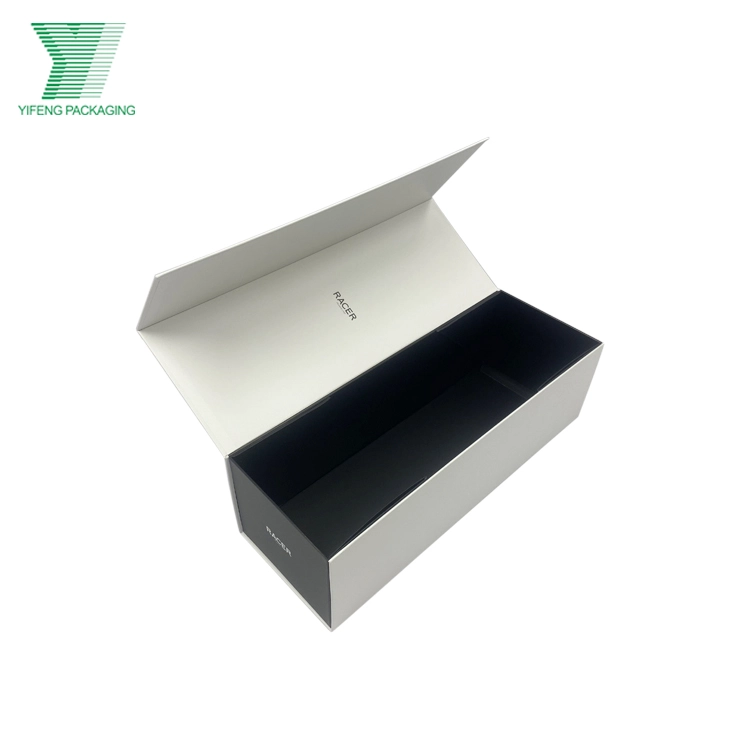
🎀 Premium foldable rigid box tailored for wig brands, hair extensions, and salon packaging.
-
🎁 Space-saving flat-pack structure paired with smooth magnetic closure and elegant interior.
-
👩 Keeps wigs in good shape, suitable for retail display, shipping, and high-end hair product gifting.
-
-
-
-

-
-
-
-
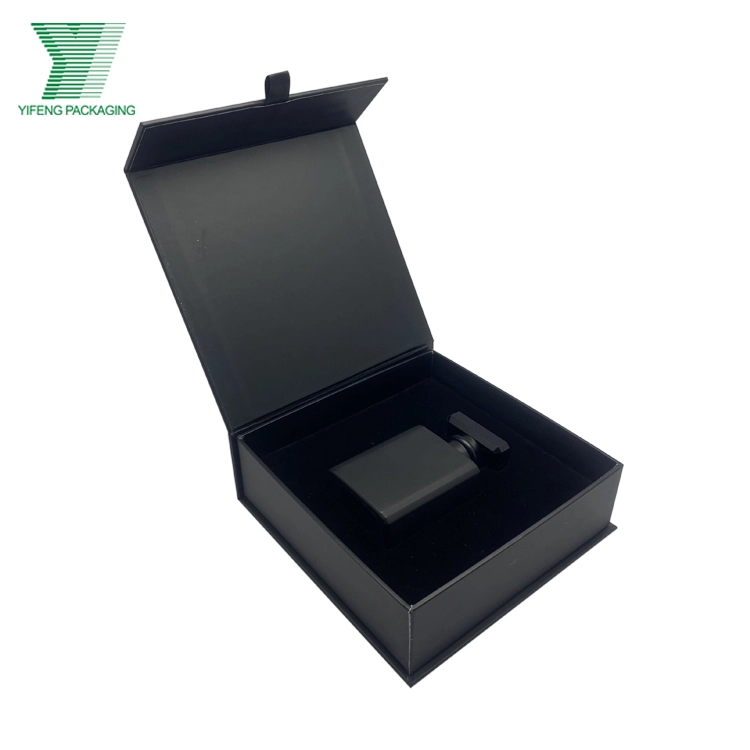
🎀 Exquisite high-end rigid magnetic boxes specially customized for premium fragrance and cosmetic brands.
-
🎁 Premium rigid cardboard paired with smooth magnetic closure for a luxurious unboxing experience.
-
👧 Perfect for designer perfumes and limited-edition scent sets to enhance brand grade and leave deep impressions.
-
-
-
Contact
Email: marketing@yfpackaging.com
Telephone: +86 020 3435 4688
Phone: +86 17818581665
Address: Room 1910, Zhongguang Building, No. 100, Middle of Jiangnan
Avenue, Haizhu District, Guangzhou City, Guangdong Province, China


Instagram
Youtube
TikTok