
What Materials Are Commonly Used for Custom Product Packaging?
- The Core Material Families Every Brand Manager Should Understand
- Rigid Paperboard: The Foundation of High Quality Unboxing
- Corrugated Cardboard: Engineering Protection Into Every Layer
- Kraft Paper and Recycled Substrates: Meeting the Sustainability Imperative
- Specialty Substrates and Surface Treatments That Define Brand Identity
- Textured Papers, Specialty Wraps, and Tactile Finishes
- Food-Safe and Regulatory-Compliant Materials
- Comparing Common Custom Packaging Materials at a Glance
- Why Yifeng Packaging Is the Custom Packaging Manufacturer China Brands Trust
- Three Decades of Material Engineering Expertise
- A 12-Step SOP That Eliminates Production Risk
- The Full Product Range: From Paper Tubes to Luxury Wine Boxes
- Frequently Asked Questions
Custom product packaging materials fall into several primary categories: rigid paperboard (1200gsm–1800gsm), corrugated cardboard, kraft paper, coated art paper, and specialty substrates such as textured or FSC-certified boards. Each material serves distinct structural, aesthetic, and regulatory purposes. Rigid boards deliver the High Quality rigidity demanded by luxury wine boxes and magnetic jewelry boxes. Corrugated constructions absorb transit shock for e-commerce shipments. Kraft paper signals sustainability to eco-conscious consumers. Coated art paper enables high-fidelity Pantone printing and soft-touch lamination finishes. Food-safe inks and FDA-compliant liners are mandatory for chocolate and food-grade packaging. Selecting the right substrate is the single most consequential decision a brand manager or procurement officer makes when briefing a custom packaging manufacturer china—and it is a decision I have guided hundreds of international clients through over the past 15 years.
The Core Material Families Every Brand Manager Should Understand
Rigid Paperboard: The Foundation of High Quality Unboxing
In my experience, rigid paperboard is the material that separates a forgettable unboxing from a genuinely memorable brand moment. When I first started working with luxury clients in the early 2000s, the standard was a modest 1000gsm greyboard wrapped in coated paper. Today, the benchmark for serious High Quality packaging sits between 1200gsm and 1800gsm, and for good reason. At that density, the board resists warping under humidity, holds sharp corner folds without cracking, and communicates a tactile weight that consumers instinctively associate with quality. According to the Technical Association of the Pulp and Paper Industry (TAPPI), grammage directly correlates with compression strength and stacking resistance—two metrics that matter enormously in retail environments where boxes are stacked six or seven high on a shelf.
For custom gift boxes and custom jewelry boxes, I always recommend a minimum of 1400gsm for the inner chipboard core. This gives the box enough structural memory to snap open and closed cleanly, especially when a magnetic closure is involved. The outer wrap is typically a 128gsm to 157gsm coated art paper, which accepts UV spot varnish, embossing, and foil stamping without delamination. The combination of a dense core and a refined outer sheet is what makes rigid paper packaging feel genuinely luxurious rather than merely expensive.
Corrugated Cardboard: Engineering Protection Into Every Layer
Corrugated cardboard is arguably the most misunderstood material in the packaging world. Many brand managers see it purely as a shipping material—brown, utilitarian, invisible. But over the years I have watched corrugated evolve into a legitimate brand canvas. Single-wall B-flute corrugated, for instance, offers excellent printability on its liner while still providing the cushioning needed to protect fragile products during last-mile delivery. E-flute corrugated is even thinner and smoother, making it ideal for custom cardboard boxes that need to sit on a retail shelf while still surviving a courier network.
The structural science behind corrugated is well-documented. The Fibre Box Association publishes annual data showing that properly engineered corrugated constructions can withstand edge crush test (ECT) values exceeding 44 lbs per inch, which is more than sufficient for most consumer goods applications. What I tell my clients is this: if your product weighs more than 500 grams or has any fragile components, corrugated should be part of your packaging architecture—even if it is only used as an outer shipper over a rigid inner box.
Kraft Paper and Recycled Substrates: Meeting the Sustainability Imperative
The shift toward sustainable packaging is not a trend—it is a structural market transformation. The Forest Stewardship Council (FSC) reports that demand for FSC-certified paper products has grown consistently year-over-year as brands respond to both regulatory pressure and genuine consumer preference. In my practice, I have seen clients in the food, cosmetics, and lifestyle sectors make FSC certification a non-negotiable supplier requirement. Kraft paper, derived from the chemical pulping of wood, is naturally brown, strong, and biodegradable. It is the substrate of choice for custom paper bags, custom paper tubes, and certain custom food packaging boxes where a natural aesthetic aligns with the brand story.
Recycled board—made from post-consumer waste fiber—is another substrate I recommend frequently for brands that need to hit specific environmental KPIs. The trade-off is that recycled board has slightly lower burst strength than virgin fiber board at the same grammage, and its surface can be speckled with fiber inclusions that affect print quality. For applications where print fidelity is critical, I typically recommend a hybrid approach: recycled greyboard core with a virgin fiber coated outer wrap. This delivers the sustainability credentials without compromising the visual precision that luxury brands demand.
Specialty Substrates and Surface Treatments That Define Brand Identity
Textured Papers, Specialty Wraps, and Tactile Finishes
Beyond the base substrates, the surface treatment applied to custom packaging boxes is what truly differentiates one brand from another on a crowded retail shelf. In my 15 years of consulting, I have seen soft-touch matte lamination become the single most requested finish in the High Quality segment. The reason is simple: it transforms an ordinary printed surface into something that feels like velvet, triggering a haptic response that consumers describe as High Quality, modern, and trustworthy. Neurological research published by the National Institutes of Health (NIH) confirms that tactile stimuli during product interaction significantly influence purchase intent and brand recall.
Other finishes I work with regularly include gloss UV varnish for high-contrast visual impact, spot UV for selective highlighting of logos or patterns, hot foil stamping in gold, silver, rose gold, or holographic variants, and embossing or debossing for dimensional texture. Each of these treatments requires a specific substrate preparation. Foil stamping, for example, adheres best to a matte laminated surface rather than a gloss one, because the matte surface provides the microscopic tooth that the foil adhesive needs to bond permanently. Getting these technical pairings right is something that only comes from years of hands-on production experience.
Food-Safe and Regulatory-Compliant Materials
When I work on custom food packaging boxes—particularly for chocolate, confectionery, or High Quality tea—material compliance is not optional, it is the starting point. Food-contact packaging must meet specific migration limits for heavy metals, mineral oils, and photoinitiators from printing inks. In the European market, this means compliance with EU Regulation No. 10/2011 on plastic materials and articles intended to contact food, as well as the broader framework of EU Regulation 1935/2004. In the US market, FDA 21 CFR Part 176 governs paper and paperboard components in food contact applications.
In practice, this means specifying food-safe inks—typically water-based or UV-cured formulations with certified low migration—and ensuring that any lamination film or coating applied to the inner surface of the box is food-grade approved. I always advise clients to request full material safety data sheets from their packaging supplier and to verify that the supplier's production facility is audited against a recognized food safety standard. This is not bureaucratic box-ticking; it is the difference between a product recall and a successful market launch.
Comparing Common Custom Packaging Materials at a Glance
After years of presenting material options to procurement teams and brand directors, I have found that a clear side-by-side comparison accelerates decision-making more than any amount of descriptive prose. The table below summarizes the key performance attributes of the most common substrates I work with.
| Material | Typical Grammage / Thickness | Key Strength | Primary Application | Sustainability Profile | Print Quality |
|---|---|---|---|---|---|
| Rigid Greyboard (Virgin) | 1200gsm – 1800gsm | Structural rigidity, High Quality feel | Custom gift boxes, jewelry boxes, wine boxes | FSC-certified options available | Excellent (with coated outer wrap) |
| Corrugated Cardboard (E/B-flute) | 2mm – 5mm total thickness | Cushioning, compression resistance | Custom cardboard boxes, shipping outers | High recycled content available | Good to Excellent (on coated liner) |
| Coated Art Paper (C1S/C2S) | 128gsm – 350gsm | Superior printability, smooth surface | Custom paper bags, folding cartons, wraps | FSC-certified options available | Excellent |
| Kraft Paper (Natural Brown) | 70gsm – 200gsm | Tear resistance, eco aesthetic | Custom paper bags, paper tubes, food wraps | High — biodegradable, recyclable | Good (limited color gamut) |
| Recycled Greyboard | 1000gsm – 1600gsm | Lower carbon footprint, cost-effective | Custom packaging boxes, mid-range gift boxes | Very High — post-consumer waste fiber | Good (with quality outer wrap) |
| Food-Safe Coated Board | 250gsm – 400gsm | Regulatory compliance, grease resistance | Custom food packaging boxes, chocolate boxes | FSC-certified, food-grade ink options | Excellent |
Why Yifeng Packaging Is the Custom Packaging Manufacturer China Brands Trust
Three Decades of Material Engineering Expertise
When I recommend a packaging partner to international clients, my criteria are uncompromising: proven material expertise, verifiable quality systems, and the production scale to handle growth without disruption. Established in 1990, Guangzhou Yifeng Printing & Packaging Co., Ltd. meets every one of those criteria. With over 30 years of industrial excellence, Yifeng has engineered high-end High Quality paper packaging for brands across Europe, North America, and Asia-Pacific. Their dual-factory infrastructure—the Yifeng Multi-Color Printing Factory and the Yifeng Paper Handicraft Factory—gives them a production depth that single-facility suppliers simply cannot match.
What sets Yifeng apart from a material standpoint is their commitment to specification integrity. They work exclusively with 1200gsm to 1800gsm rigid boards for their High Quality tier, and every project uses FSC-certified substrates and food-safe inks as standard, not as an upgrade. For brands sourcing custom paper boxes, custom gift boxes, or custom jewelry boxes, this means the material you approve in the sample stage is the material that ships in production—no substitutions, no cost-cutting surprises at the 10,000-unit mark.
A 12-Step SOP That Eliminates Production Risk
One of the most common pain points I hear from procurement managers who have had bad experiences with overseas suppliers is inconsistency between samples and bulk production. Yifeng addresses this systematically through a 12-step Standard Operating Procedure that governs every project from initial CTP typesetting through to final quality inspection. The process includes Pantone color matching, soft-touch lamination calibration, foil stamping registration checks, and structural integrity testing at multiple production stages. For international orders where the buyer cannot be physically present on the factory floor, this kind of documented process discipline is not a nice-to-have—it is the entire basis of supply chain confidence.
Their OEM and ODM capabilities mean that whether you arrive with a fully engineered dieline and print-ready artwork or just a brand brief and a product sample, Yifeng's team can take you from concept to production-ready packaging. This flexibility is particularly valuable for brands launching new product lines under time pressure, where the ability to iterate quickly on structural prototypes can mean the difference between hitting a retail window and missing it.
The Full Product Range: From Paper Tubes to Luxury Wine Boxes
Yifeng's production capabilities span the full spectrum of High Quality paper packaging. Their core product range includes custom paper boxes engineered for retail shelf impact, custom gift boxes with magnetic closures and ribbon pulls for luxury gifting applications, custom paper tubes for High Quality spirits and cosmetics, custom jewelry boxes with velvet or satin interior liners, custom cardboard boxes for e-commerce and subscription brands, custom food packaging boxes with food-safe interior coatings for chocolate and confectionery, and custom paper bags with reinforced handles for retail environments. Each product category benefits from the same material discipline and process rigor that Yifeng applies across all production lines.
For brands that need a single trusted partner capable of producing across multiple packaging formats—say, a rigid gift box, a coordinating paper bag, and a paper tube for a product bundle—Yifeng's dual-factory setup delivers the coordination and consistency that managing multiple suppliers never can. If you are evaluating your next packaging partner, I encourage you to reach out to the Yifeng team directly at marketing@yfpackaging.com to discuss your specific material and production requirements.
Ready to elevate Yifeng Packaging with precision-engineered custom packaging boxes from a manufacturer with 30 years of proven excellence? Contact Yifeng Packaging today to request samples, discuss material specifications, or get a competitive quote for your next project.
Frequently Asked Questions
What is the most durable material for custom packaging boxes?
Rigid greyboard at 1200gsm to 1800gsm is the most durable option for premium custom packaging boxes. At this density, the board resists warping under humidity, holds sharp corner folds without cracking, and delivers the structural memory needed for magnetic closure boxes and luxury gift packaging. For applications requiring transit protection, combining a rigid inner box with a corrugated outer shipper provides the highest level of durability.
What materials are used for food-safe custom food packaging boxes?
Food-safe custom food packaging boxes are typically made from coated paperboard (250gsm–400gsm) with food-grade inner liners and water-based or UV-cured low-migration inks. These materials must comply with regulatory standards such as FDA 21 CFR Part 176 in the US and EU Regulation 1935/2004 in Europe. Always request full material safety data sheets and verify that your supplier uses certified food-safe inks and coatings.
Are FSC-certified materials available for custom paper bags and paper tubes?
Yes. FSC-certified materials are widely available for custom paper bags, custom paper tubes, and virtually all paper-based packaging formats. FSC certification verifies that the wood fiber used in the paper originates from responsibly managed forests. Reputable custom packaging manufacturers in China, including Yifeng Packaging, use FSC-certified substrates as a standard offering rather than a premium add-on.
What is the difference between corrugated cardboard and rigid greyboard for custom cardboard boxes?
Corrugated cardboard consists of a fluted medium sandwiched between two flat liner sheets, giving it excellent cushioning and compression resistance for shipping applications. Rigid greyboard is a dense, solid board without a fluted core, engineered for structural rigidity and premium tactile feel. Custom cardboard boxes for e-commerce and shipping typically use corrugated construction, while luxury retail packaging and gift boxes use rigid greyboard. Some premium packaging solutions combine both—a rigid inner box with a corrugated outer shipper.
How do I choose the right material for custom jewelry boxes?
For custom jewelry boxes, the ideal material is a rigid greyboard core of at least 1400gsm wrapped in a 128gsm to 157gsm coated art paper. The interior is typically lined with velvet, satin, or foam to protect delicate items. The outer surface can be finished with soft-touch lamination, foil stamping, or embossing to reinforce the luxury positioning of the brand. The key is matching the board weight to the box size—larger boxes require higher grammage to prevent lid sag and corner deformation.
What surface finishes are available for custom gift boxes?
Common surface finishes for custom gift boxes include soft-touch matte lamination, gloss lamination, spot UV varnish, hot foil stamping (gold, silver, rose gold, holographic), embossing, debossing, and aqueous coating. Soft-touch matte lamination is currently the most popular finish in the premium segment because it creates a velvet-like tactile experience that consumers associate with high quality. Foil stamping adheres best to matte laminated surfaces, so the two finishes are frequently combined for maximum visual and tactile impact.
How do I verify that a custom packaging manufacturer in China meets international quality standards?
To verify a custom packaging manufacturer in China meets international quality standards, request documentation of their quality management certifications (such as ISO 9001), FSC chain-of-custody certification, and food safety compliance records if applicable. Ask for a detailed production SOP, sample approval process, and references from international clients. Reputable manufacturers like Yifeng Packaging operate documented multi-step quality control processes and are transparent about their material sourcing, ink certifications, and production audit history.

-
-
-
-
-
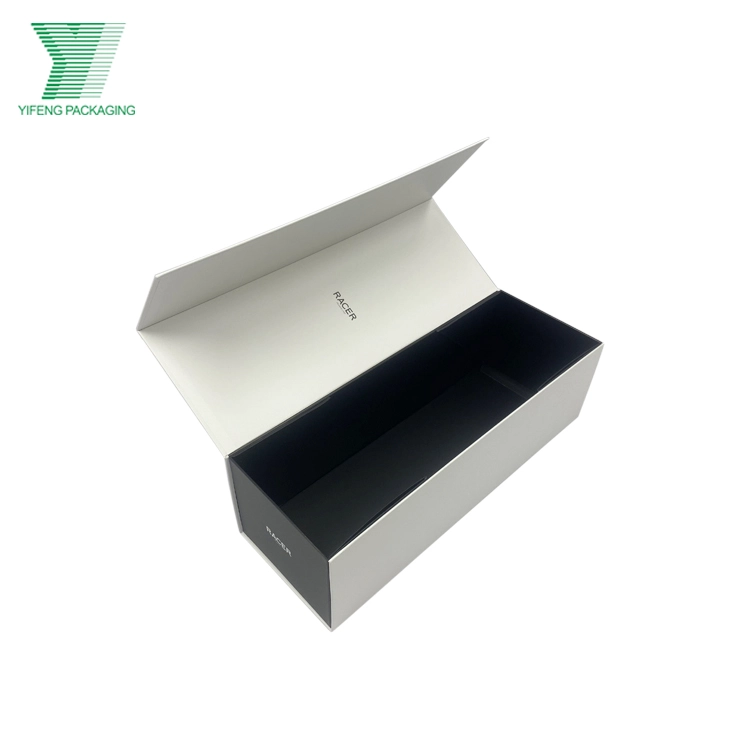
🎀 Premium foldable rigid box tailored for wig brands, hair extensions, and salon packaging.
-
🎁 Space-saving flat-pack structure paired with smooth magnetic closure and elegant interior.
-
👩 Keeps wigs in good shape, suitable for retail display, shipping, and high-end hair product gifting.
-
-
-
-

-
-
-
-
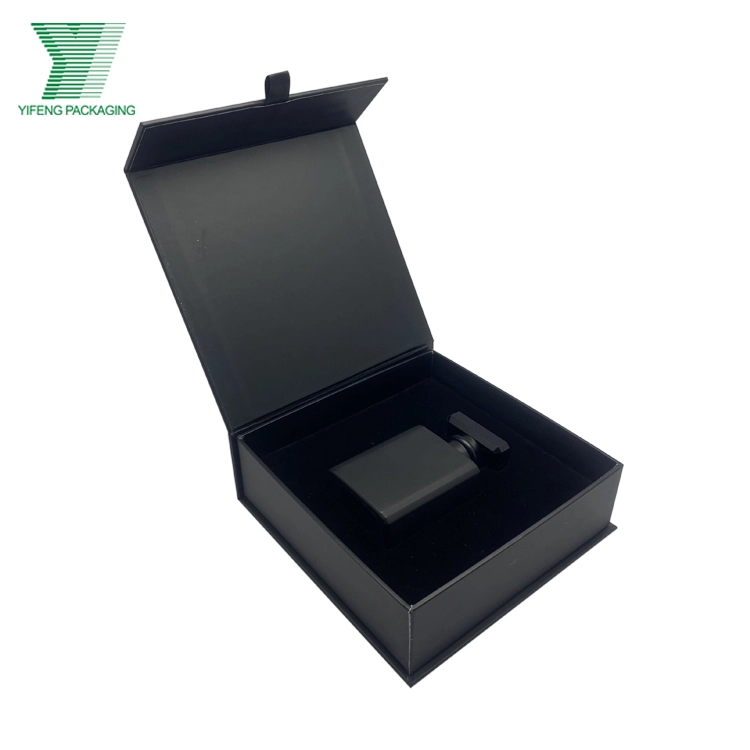
🎀 Exquisite high-end rigid magnetic boxes specially customized for premium fragrance and cosmetic brands.
-
🎁 Premium rigid cardboard paired with smooth magnetic closure for a luxurious unboxing experience.
-
👧 Perfect for designer perfumes and limited-edition scent sets to enhance brand grade and leave deep impressions.
-
-
-
Contact
Email: marketing@yfpackaging.com
Telephone: +86 020 3435 4688
Phone: +86 17818581665
Address: Room 1910, Zhongguang Building, No. 100, Middle of Jiangnan
Avenue, Haizhu District, Guangzhou City, Guangdong Province, China


Instagram
Youtube
TikTok